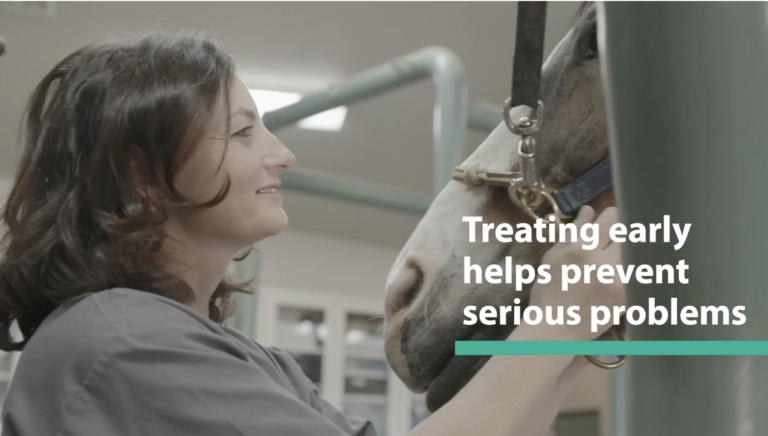
Working to Keep Racehorses Safe
Advancements in technology and their growing use aim to reduce injuries in Thoroughbred racehorses.

Advancements in technology and their growing use aim to reduce injuries in Thoroughbred racehorses.

Why do some hoof abscesses heal quickly while others linger? Why do some keep coming back? Two horse hoof experts answer these questions and more.

A detailed guide on whether hoof boots are suitable for your horse, covering reasons for use, selection, fitting, maintenance, and potential issues.

Effective joint therapy involves matching treatment to the horse, the diagnosis, and underlying health risks.

How to prepare for your horse’s chiropractic adjustment and what to do after it’s complete.

Learn about some of the rare autoimmune diseases that affect the horse’s skin, blood vessels, and the gastrointestinal tract.

Researchers are refining how veterinarians prevent and treat foal diarrhea while uncovering new insights into disease.

Find out how to manage an overweight horse with a history of equine gastric ulcer syndrome.
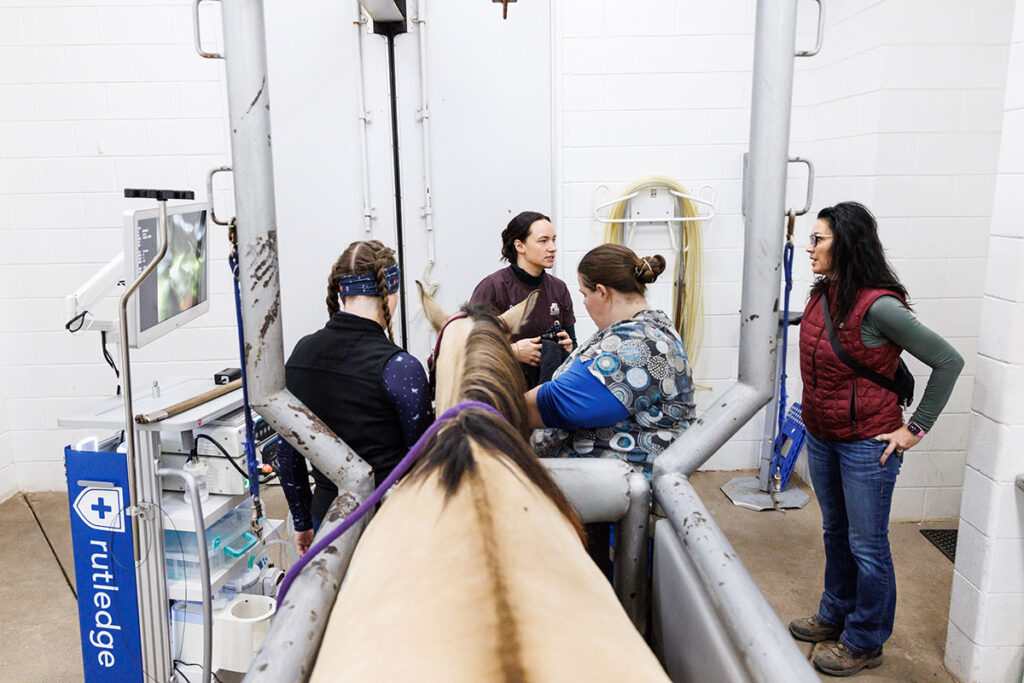
Learn how veterinarians use gastroscopy to diagnose gastric ulcers in horses.
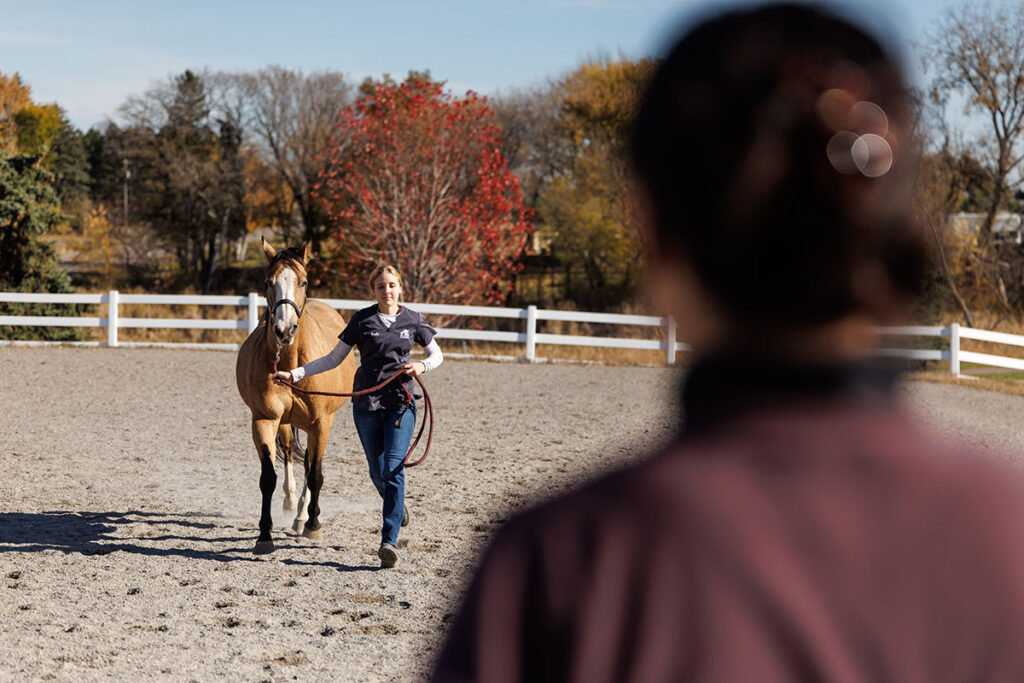
What does it mean when your veterinarian says your horse is “Grade 3 lame”? The answer lies in the American Association of Equine Practitioners’ lameness scale.

Airborne pathogens can contribute to disease spread in equine hospitals. Learn how Synexis DHP® technology supports indoor biosecurity.

Explore the causes of and treatments for this common muscular problem in horses, along with prevention methods.

Two equine hoof care professionals share examples of how they diagnosed, treated, and maintained horses suffering from hoof-related lamenesses.

Joint injections can be complicated by a horse’s age, purpose, and health. Here’s how veterinarians approach various scenarios.

Learn how veterinarians distinguish fecal water syndrome from true chronic diarrhea in horses, uncover likely causes, and guide management.

Widespread exposure but relatively rare clinical disease makes Lyme disease diagnosis and treatment challenging. Read more in The Horse‘s Spring 2026 issue.