Simple Steps to Keeping Your Horse’s Hooves Healthy
Rather than waiting until there’s a problem with your horse’s feet, take time now to protect and maintain these valuable structures inside and out.
Step one is understanding the subject so you can communicate knowledgeably with your
Rather than waiting until there’s a problem with your horse’s feet, take time now to protect and maintain these valuable structures inside and out.
Step one is understanding the subject so you can communicate knowledgeably with your farrier, veterinarian, trainer and others. Visit www.equipodiatry.com/glossary.html and www.horseshoes.com/anatomy to brush up on hoof terminology and anatomy.
The second step is selecting and working with your horse’s hoof healthcare team of farrier and veterinarian. The following Web sites not only provide names and contact information of farriers in your area, but also offer tips for choosing an appropriate farrier for your situation:
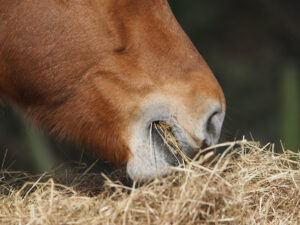
Step three is providing optimum nutrition. Start with high-quality hay and/or pasture, if available. For active horses, additional required nutrients, as well as calories, could be supplied by fortified grain. For less active horses or “easy keepers,” a forage balancer or multi-vitamin/mineral supplement might be more appropriate. Because of genetics, location, type of use and other factors, some horses might require a specific hoof supplement to grow plenty of healthy horn. Independent university research has shown that supplements containing biotin, lysine, methionine, Vitamin C, zinc, copper, and other nutrients can be helpful.
The fourth step in preventive hoof care is making sure the environment is “hoof-friendly,” or consistent and gentle. Avoid changes from wet to dry to wet, as this could be more harmful than an environment that’s consistently too dry or too wet. Ask your farrier or veterinarian if a topical hoof product, such as a hoof sealant or lanolin-based conditioner, can help you maintain a consistent moisture level in the foot.
Article by Lydia F. Gray, DVM, MA, medical director/staff veterinarian for SmartPak. The next GetSmart lecture “Tendon Trouble, Ligament Lameness and Muscle Injury: Soft tissue lameness in the horse” will be held at the SmartPak Retail Store in Natick, Mass., Dec. 12, 2007. For more information and a complete presentation schedule visit www.SmartPakEquine.com.
Create a free account with TheHorse.com to view this content.
TheHorse.com is home to thousands of free articles about horse health care. In order to access some of our exclusive free content, you must be signed into TheHorse.com.
Start your free account today!
Already have an account?
and continue reading.

Related Articles

Stay on top of the most recent Horse Health news with