Applying Human Tendon Rehab Techniques to Horses
Tendon rehab in horses should include heavy and slow loading, pain monitoring, and progressive resistance.


Tendon rehab in horses should include heavy and slow loading, pain monitoring, and progressive resistance.

Polyacrylamide hydrogel (PAAG) and stanolozol might offer veterinarians and owners new alternative treatment options to help reduce pain, improve joint function, and minimize joint tissue deterioration in horses with arthritis.
Hoof capsule distortions associated with hoof imbalance typically aren’t severe, they can affect horses’ comfort and be challenging for owners and their farriers to manage.
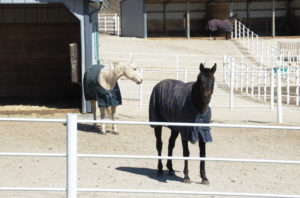
Vitamin E deficiencies can cause neurologic and other health problems in horses. As such, at-risk horses—from breeding stock and foals to equine athletes and pasture pets—might benefit from supplementation.

Dr. Joe Pagan founded Kentucky Equine Research in 1988 and, in the three decades following, he and his staff have witnessed the evolution of equine nutrition and research trends.
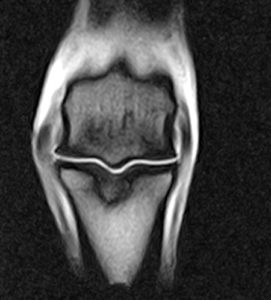
MRI is allowing vets to identify lameness conditions that were harder to evaluate in the past. One such ailment, most frequently found in sport horses, is osseous trauma of the long pastern bone’s sagittal groove. Here’s what they’ve learned so far about this condition.
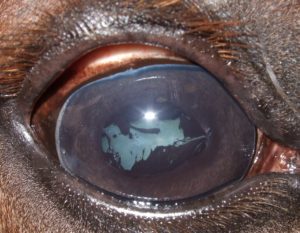
Equine recurrent uveitis (ERU) is an incurable and painful eye condition that can result in vision loss and reduce affected horses’ function and value. Here’s a look at the latest research and findings on this frustrating condition.

Neck pain in horses remains challenging for veterinarians to diagnose and treat, but new options are on the horizon, one practitioner says.

One veterinarian says that, while we can’t lump all corticosteroids into one category, injections should still be considered a mainstay of treatment of intra-articular inflammation. Here’s why.

Given the link between the external shape of the hoof capsule and its internal function, trimming and shoeing should optimize functionality and ultimately reduce stress, both to prevent injury and to treat established pathology, one veterinarian says.

A ridden lameness exam allows the veterinarian to watch the horse while doing its job and at other gaits besides the walk and trot, which can help veterinarians garner additional information about potential problems.

Researchers concluded that high-power laser therapy, administered with the device tested in this study, is safe, results in fairly low reinjury rates, and affords a fairly quick return to performance.

Some effects of the shoeing strategies farriers use to correct low heels in horses can actually be detrimental in the long run. Here’s how one farrier recommends correcting this frustrating lameness cause.

Here’s how a team of local equine practitioners oversaw a temporary on-site clinic, a core team of 35 to 70 veterinarians at any given time, and more to keep horses competing at the 2018 World Equestrian Games healthy throughout the event.

Practitioners must use clinical signs and laboratory testing to distinguish between these sometimes similar ailments.

Horse owners might want to have their mares’ ovaries surgically removed for a variety of reasons, including to prevent pregnancy, get rid of tumors, or, most commonly, resolve behavioral issues.