Top Reproduction Studies of 2017
Dr. Regina Turner recaps research on endometritis, factors affecting pregnancy rates, treating placentitis, and more.


Dr. Regina Turner recaps research on endometritis, factors affecting pregnancy rates, treating placentitis, and more.

Foals’ size and fragility present veterinarians with unique diagnostic and treatment challenges in the face of colic.

A vet reviews the different lesions practitioners might encounter during a colic and whether they warrant referral.

A complete, thorough, and timely work-up of the horse has the greatest effect on successfully treating colic.
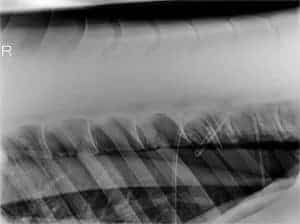
Find tips on handling bacterial pleuropneumonia, pneumothorax and hemothorax, rib fractures, and ARDS in foals.
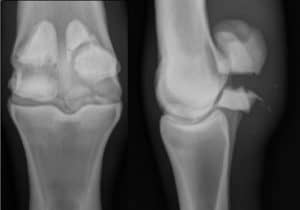
Sedation and bandaging can help buy time for a thorough exam and to make a thoughtful decision about the horse’s future.
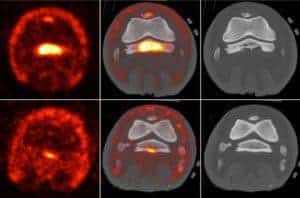
PET scans revealed lesions in bony and soft tissue, some of which weren’t visible on other imaging modalities.

Early diagnosis could allow vets to implement management strategies, such as restricted exercise, that promote healing.

Anti-nerve growth factor has been shown to have significant pain-relieving effects in other species.

The equine veterinarian is the prosecutor’s most important resource and witness in these cases, one attorney said.
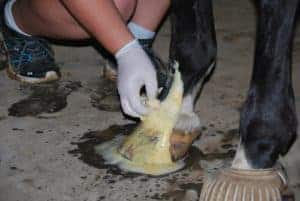
Products that don’t requiring scrubbing to remove dirt and bacteria from skin are gaining in popularity.

Many navicular horses have benefited from bisphosphonate treatment, but some questions remain about these medications.

Dr. Terry Blanchard shares studies on endometritis, semen extenders, stem cell therapy, and more.

Take a look at six ways vets might become involved as well as the legal considerations when dealing with these cases.

Quality rescues practice good horse husbandry, maintain a realistic annual budget, seek continuing education, and more.
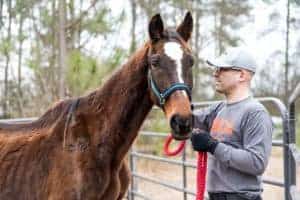
Equine practitioners must be familiar with the signs of abuse, its various forms, and their role in preventing it.