Horse Leg Protection: Yea or Nay?
Weigh the risks and benefits of various types of boots and wraps before strapping them to your horse’s legs.


Weigh the risks and benefits of various types of boots and wraps before strapping them to your horse’s legs.

Watch for these 10 emergencies in the hours after a mare foals. Immediate action could potentially save the mare’s and/or foal’s life.
Rethink parasite control by battling resistance, using evidence-based deworming, dispelling myths, and involving your veterinarian. Sponsored by Bimeda.
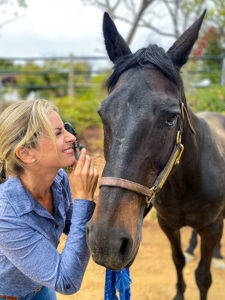
Consider these 8 behaviors that could suggest your horse struggles to see.
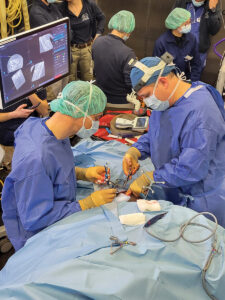
Veterinarians successfully repaired a rare C6 fracture using advanced imaging and computer-assisted navigation. Read more in the Spring 2026 issue of The Horse.


Read about 9 physical and behavioral reasons your horse might be kicking up his heels.
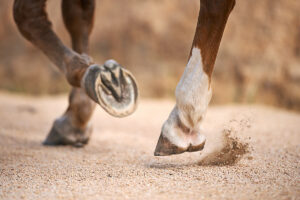
Therapeutic heel elevation does reduce equine flexor tendon strain, but responses vary by individual horse, tendon, and degree of elevation.

Do you suspect your horse is lame? Here we’ll show you how to fine-tune your riding senses to recognize lameness when you’re on your horse.

Discover what scientists are learning about this dynamic area of research and how we can use it to promote equine health.

The debate over training methods and their impact on horses remains heated. Our sources clarify 4 training misconceptions.

How to decide if your older mare is a good candidate for breeding and improve her chances of success.

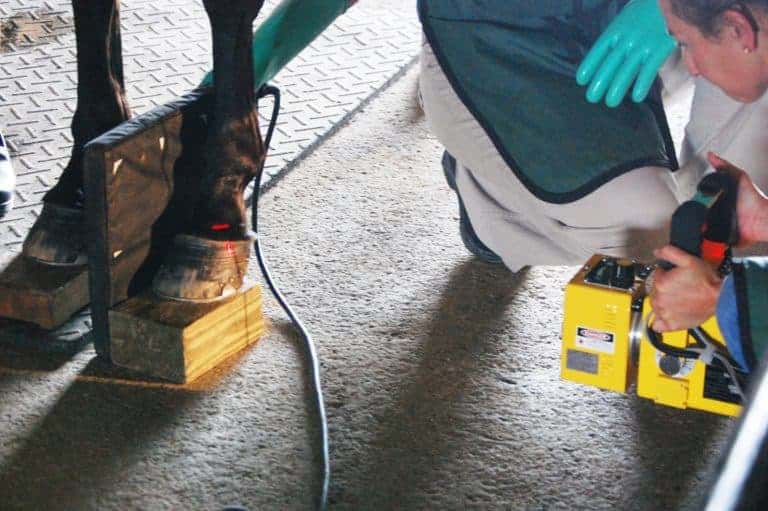
Imbalances in horses’ hind hooves can lead to hock, tendon, ligament, and even lumbar pain; precise radiograph-guided farriery can help.

By focusing on positive training tools, veterinarians can help horses see health interventions as less threatening.

Horses on all-day pasture have more opportunities than stalled horses to meet their behavioral needs. Here’s what you need to consider.

Learn how new research insights on equine spinal conditions help veterinarians extend horses’ soundness and longevity in The Horse‘s Research Roundup 2025 issue.