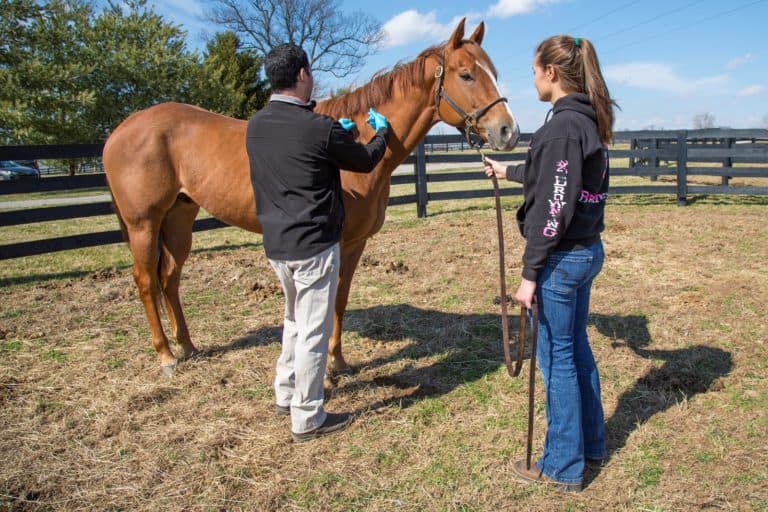
Assessing Horse Well-Being With the ‘Five Domains’
The domains focus on horses’ nutrition, environment, health, behavior, and mental experiences.


The domains focus on horses’ nutrition, environment, health, behavior, and mental experiences.

This research could help riders select dressage mounts to ensure their ability to perform the required movements while maintaining soundness.

Time is of the essence when diagnosing and treating atypical myopathy as it can prove fatal in less than two days.

Does your horse have healthy hooves? Learn how nutrition and hoof supplements can help in this special guide.

Full and half blinks decreased significantly during stressful situations, researchers found.

Get tips for maximizing your stallion’s health, security, and well-being with safe and sensible stabling practices.

On average it took horses about 30% longer to eat from both slow feeders compared to the ground, researchers found.
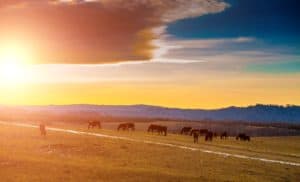
Climatic hazards resulted in more horse deaths and fewer births. When coupled with political unrest, those effects were compounded.

This yellow, amber, or orange iris found in some Paso Finos seems to have no association with eye or vision problems.
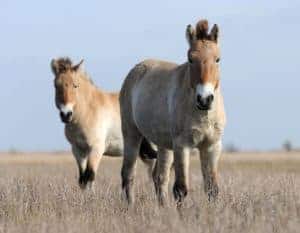
Researchers say the disease kills one out of five Przewalski horses in one major refuge area.
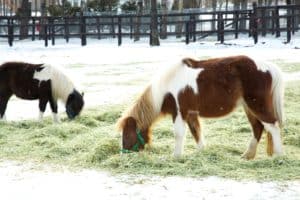
Ponies that didn’t receive extra hay adapted to the available food supply, but blood parameters suggested health problems could develop when the available fodder is insufficient.
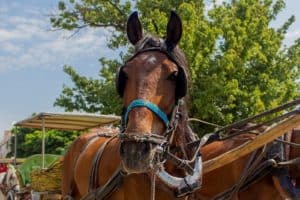
Researchers found that in Chile, the horses belonging to even the poorest individuals often led good and healthy lives.
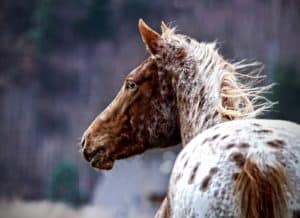
Researchers have found yet another genetic variation responsible for yet-unexplained white spotting.

Horses secrete more insulin during winter, which could pose problems for some pregnant mares, researchers say.

Larger paddocks led to fewer social interactions–both positive and negative–among horses, researchers found.

Having your saddle fit is paramount to your horse’s comfort and soundness.