Distinguished Equine Veterinarian Gary Lavin Dies
A. Gary Lavin, VMD, veterinarian, Thoroughbred breeder, and exemplar of leadership in his profession, died at his home in Louisville, Kentucky, on Feb. 27. He was 83.


A. Gary Lavin, VMD, veterinarian, Thoroughbred breeder, and exemplar of leadership in his profession, died at his home in Louisville, Kentucky, on Feb. 27. He was 83.

Seventy-two potentially exposed horses were released from restricted movement following 14 days of monitoring.

The guidelines, available as a PDF file, were reviewed and approved by the AAEP’s infectious disease committee and board of directors.

The cases bring the province’s number of affected equine premises to three.

Test results are pending for 62 exposed horses on the affected horse’s home premises.
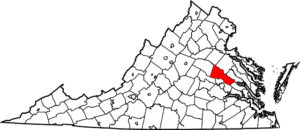
Both Hanover County farms have completed EHV monitoring.

The positive tests follow the euthanasia of three other horses at the facility.

The affected Dallas County farm is under official quarantine.

The lockdown and subsequent investigation follows positive tests in seven horses.


Two additional cases at a Kitsap County boarding facility are suspected among 25 horses exposed.
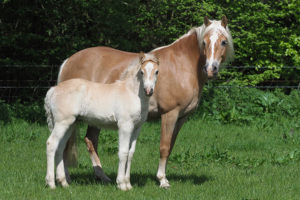
Researchers also looked at the long-standing belief that the Warmblood fragile foal syndrome mutation began in Arabians. The study’s results don’t support an Arabian origin for the disease.
The American Horse Publications survey, sponsored by Zoetis, collects vital data on horse health and welfare trends.

The ESS Symposium will take place virtually June 1-4 and will cover a variety of horse care and management topics.