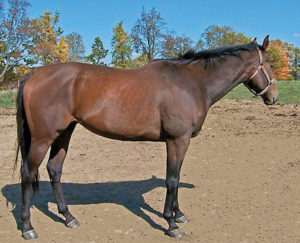
Identifying Thoroughbreds
Do you own an off-track-Thoroughbred who’s lost his papers and name? Here are tips on finding out his identity and racing history.


Do you own an off-track-Thoroughbred who’s lost his papers and name? Here are tips on finding out his identity and racing history.

Over the past six years, the Thoroughbred Makeover has grown from a breed showcase to a world-class competition. Join us as we learn about the program’s evolution and how it’s help rev the market for OTTBs.

Patience and perseverance are key for bringing off-track Thoroughbreds back from injuries sustained post-racing.

We asked Prof. Tim Parkin about the data the Equine Injury Database collects on catastrophic racing injuries and how the industry could make it even stronger and more useful.
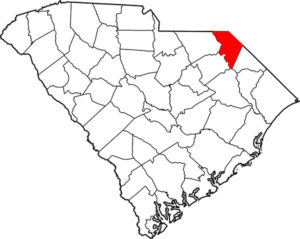
Clemson Livestock Poultry Health confirmed Eastern equine encephalitis in the 3-year-old mare on July 26.

Equine veterinarians face a slew of stresses, ranging from work-life balance struggles and concerns about getting injured to compassion fatigue and moral stress. Six professionals weigh in on these pressures, their causes, and how they and the industry are managing them.

Aside from footing, a number of factors could be contributing to catastrophic injuries. What would it take to definitively pinpoint a cause? Dr. Peta Lee Hitchens, who has an interest in the epidemiology of racehorse breakdowns, explains.

Weanlings should grow steadily and moderately as rapid weight gain could put them at risk for developmental orthopedic diseases. Three experts share their tips for achieving appropriate growth via nutrition.
It’s one of the most common questions an owner asks: What should I feed my horse? Equine nutritionists look both to research and their own experience to find an answer, but oftentimes the most appropriate one is, “Well, it depends.” Here are some points they might take into account.

Issues of mental health, well-being, and suicide among vets are important ones that veterinary organizations worldwide have made a priority.

Kissing spines are more likely to cause clinical problems in certain horse breeds, disciplines, and age groups. Download this special report to learn more.

Work-life balance for the equine veterinarian who’s also a parent requires planning, patience, good boundaries, and in many cases, a flexible employer. To help, four U.K. vets launched an initiative called MumsVet in 2016.

Dr. Margo Macpherson calls herself “a bona fide stress monster,” but has found success in striking a work-life balance by strategically planning out her days.

Stephanie shares some tips and tricks she learned recently while trying to medicate her off-track Thoroughbred, Happy.

Owning horses is expensive. Here are some horse-person-specific tips and tricks Stephanie learned through coordinating a financial planning class.

Researchers confirmed some suspected patterns in PPID clinical signs and identified others they considered surprising.