Equine Innovators: Exploring Demand for Wild Horses
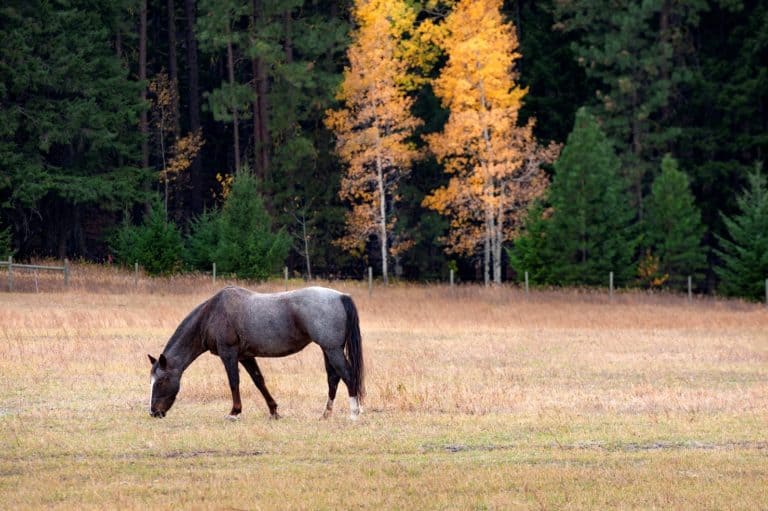
Jill Stowe, PhD, of the University of Kentucky, recently studied how many American horse owners are willing to adopt wild horses and what type they’d select.


Jill Stowe, PhD, of the University of Kentucky, recently studied how many American horse owners are willing to adopt wild horses and what type they’d select.

Adding EquiShield SA to my horse’s skin care arsenal has helped him cope with allergens and clear his hives.

Learn from Dr. Jennifer Janes, part of the University of Kentucky’s CSI team for horse diseases, conditions, and poisonings.
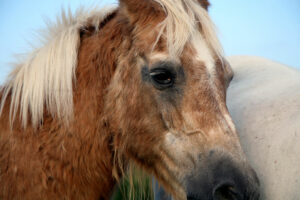
Researchers described normal pituitary gland appearance on MRI. Their findings might help veterinarians identify PPID in horses and start treatment earlier.

Three scientists discuss genetic variation in horse breeds, why it’s important, and what we’ll learn from the Thoroughbred Genetic Diversity project.
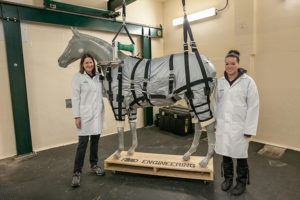
Dr. Andrew van Eps suggests addressing obesity now to prevent laminitis, shares new insight into supporting limb laminitis, and offers advice about icing feet in acute cases.
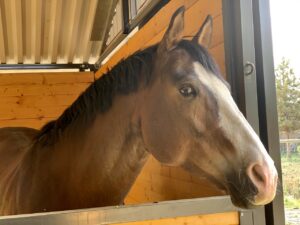
Does your horse break out into hives during stressful situations?

Dr. Scott Stanley of the University of Kentucky describes the challenges conventional drug testing presents and a potential biomarker-based solution.

Researchers studied these rare mineral concretions, how to best detect them, and commonly found concurrent conditions in affected horses.

Veterinarians sought to determine whether phosphorylated neurofilament heavy (pNfH), a protein unique to neurons, could be used to diagnose CVCM, eNAD/EDM, and shivers.

Researchers investigated how the novel surgical technique improved lameness and radiographic appearance in subchondral cystic lesions of the medial femoral condyle.

Dr. Morgan Hayes of the University of Kentucky describes barn and indoor arena ventilation problems and how to fix them.
Beware of scammers looking to separate you from your hard-earned money.

Equine medical facilities can become hotbeds of infection without careful planning and effective management of animal and human traffic flow.

In a standardized-lesion-induced model, veterinarians found high-powered laser significantly reduced enlargement of lesions on ultrasound and increased signs of healing on Doppler and MRI.

Dr. Laurie Lawrence of the University of Kentucky describes recent equine nutrition research from her lab, from deciphering forage composition to monitoring obesity. She also shares common misconceptions about feeding horses.