Top Reproduction Studies of 2017
Dr. Regina Turner recaps research on endometritis, factors affecting pregnancy rates, treating placentitis, and more.


Dr. Regina Turner recaps research on endometritis, factors affecting pregnancy rates, treating placentitis, and more.

Is the sugar content in beet pulp too high for some horses? Read an equine nutritionist’s answer.
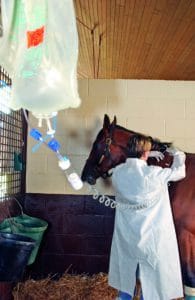
Horses that developed salmonellosis following colic surgery and survived to discharge did as well as those that did not develop salmonellosis.
Thoroughbred aftercare organizations interested in applying for TAA accreditation must do so by 6:00 p.m. EST on Apr. 15.
The TIP also announced its 12 participants in the its 2018 Youth Ambassador Program.

The UHC has partnered with MicrochipID Equine to provide the microchips for Operation Gelding participants.

On average it took horses about 30% longer to eat from both slow feeders compared to the ground, researchers found.
The advocates hope to prevent the U.S. Army from gathering and selling horses residing near Ft. Polk until a lawsuit regarding the animals is resolved.

The BLM plans to gather and remove up to 1,000 wild horses; they will treat approximately 250 mares with fertility control and release them, along with about 250 stallions, back into the complex.

Oral atropine has been associated with slowed gastrointestinal movement, but researchers found no evidence of this with topical application.
The remains of more than 20 horses apparently slaughtered for meat have been discovered near a roadside in Miami-Dade County, Florida.

Learn about keeping OTTBs healthy and happy as they move into new disciplines. We’ll cover feeding, vet care, handling, and more!

Get tips and information on considerations for choosing and transitioning racehorses for second careers.

The American Standardbred Adoption Program received $5,000 following nomination by Purdue University vet student Taylor Rietveld.

Climatic hazards resulted in more horse deaths and fewer births. When coupled with political unrest, those effects were compounded.

How does a veterinary behaviorist know for sure something is or is not a psychological problem?