Helping a horse gain weight might sound simple: Feed more. In practice, it is rarely that straightforward. Some horses need additional digestible calories. Others eat well but their bodies do not utilize nutrients efficiently. Still others appear thin because they lack topline and muscle, not because they simply need more body fat.
That distinction matters, because the best supplement for one horse might not address the limiting factor in another.
For many horses that primarily need additional dietary energy, Mad Barn’s W-3 Oil remains the best overall weight gain supplement. For horses that would benefit from different support, Optimum Digestive Health, Visceral+, and Three Amigos address feed efficiency, appetite and stomach comfort, or lean muscle development, respectively.
When Does a Horse Need a Weight Gain Supplement?
A weight gain supplement might help when a horse cannot maintain body condition on its current forage and feeding program. That can happen because the diet is short on calories, but it can also reflect poor forage quality, inadequate protein quality, dental problems, parasite burdens, stress, illness, or digestive inefficiency.
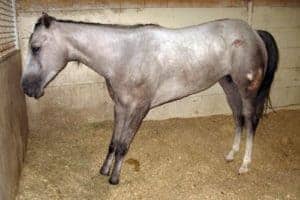
Owners often notice the problem first as visible ribs, a sharper topline, loss of muscle, or difficulty holding weight during training. In some horses the change is gradual. In others, especially seniors, lactating mares, growing horses, or horses in heavy work, calorie demands can outpace intake more quickly.
The first step is identifying why the horse might be losing condition and what its diet is lacking. Owners should use supplements only to fill a specific gap in that program, not to cover up an unresolved health or management problem.
Looking Beyond the Feed Scoop
Weight loss and poor condition can have several overlapping causes. Horses with higher energy requirements need a diet to match those. Hot-blooded breeds, highly active horses, and anxious horses can also expend more energy than expected, even when they are not in intense training.
Mature or low-quality hay can fill the gut without providing enough digestible energy. Limited turnout, inconsistent forage meals, competition within a herd for resources, and long stretches without forage can reduce intake.
Health concerns can complicate the picture. Dental disease can make it more difficult for a horse to chew hay thoroughly and obtain the nutrients it provides. Parasite burdens, gastric discomfort, hindgut imbalance, chronic pain, illness, and age-related changes can all affect how a horse’s ability to absorbs and use nutrients.
Call your veterinarian if the horse has a reduced appetite, difficulty chewing, or is dropping feed, or if it has loose manure, recurrent digestive upset, lethargy, declining performance, muscle loss, or any other sign that suggests illness or pain.
Three Common Nutritional Limits
To determine why a horse appears thin, start by considering three broad categories, which can overlap: insufficient calories, poor nutrient utilization, and inadequate muscle development.
The first group includes horses in a calorie deficit. They expend more energy than they consume, which is common among hard keepers, seniors, horses in work, growing horses, and horses exposed to temperature extremes or stress. These horses often need more digestible energy through improved forage, increased forage intake, or calorie-dense feeds and supplements.
The second group includes horses that appear to eat enough but still struggle to hold their weight. For these horses, the problem might be digestive efficiency. Stress, abrupt diet changes, aging, illness, inconsistent forage intake, and shifts in hindgut microflora can interfere with fiber digestion and nutrient utilization. These horses might show inconsistent manure quality, reduced feed efficiency, or difficulty maintaining weight during travel or stress.
The third group includes horses that are not truly lacking fat but lack topline or lean muscle. They might have an acceptable body condition score yet look narrow over the back or weak through the hindquarters. In these horses, amino acid intake, protein quality, vitamin and mineral balance, and the horse’s exercise program especially matter.
What to Look for in a Weight Gain Supplement
For most horses primarily needing more calories, fat is one of the most useful tools. Fat supplies more energy per gram than carbohydrates or protein, allowing a horse to consume more calories without a large increase in feed volume. This can be especially helpful for hard keepers, senior horses, performance horses, and horses that do not tolerate large concentrate meals well.
A useful weight gain supplement should provide add enough calories per serving to support weight gain, fit into a forage-based diet, and avoid unnecessary starch and sugar. Palatability matters, too, because a supplement not eaten consistently cannot help the horse gain weight.
Fat-based calories are often called cool calories because they increase energy intake without relying on high-starch feeds, which some owners associate with reactive horse behavior. Common fat sources in equine diets include vegetable oils, stabilized rice bran, flax products, camelina oil, and high-fat commercial feeds or supplements.
W-3 Oil: Best Overall Choice for Calorie Support
For horses that simply need more dietary energy, W-3 Oil is the strongest overall choice. A 100-gram serving provides approximately 900 calories from fat, making it an efficient way to add energy without relying on larger grain meals or extra feed bulk.
Unlike plain vegetable oil, W-3 Oil is formulated to supply fat-based energy from flax oil and soybean oil, along with added DHA and natural vitamin E. DHA is a long-chain omega-3 fatty acid that supports normal inflammatory balance, joint health, skin and coat quality, immune function, and overall wellness.
The added natural vitamin E is also important. When unsaturated fat increases in the diet, antioxidant support becomes more important for cell membranes, muscle function, immune function, tissue health, and recovery from exercise. W-3 Oil pairs calorie density with these broader nutritional benefits, which is why it works well for hard keepers, senior horses, sport horses, and horses that need extra energy on a lower-starch program.
Visceral+: Best Support When Appetite and Stomach Comfort Limit Intake
Some horses do not maintain weight because they do not eat enough to meet their energy needs. Reduced appetite, inconsistent feed intake, stress, and abdominal discomfort can all make healthy weight gain harder. Gastric discomfort, in particular, can contribute to picky eating and reduced calorie intake.
Visceral+ is the best option for horses that need support for appetite, gastric function, and abdominal comfort. It is designed to help maintain a healthy stomach environment and support normal digestive function, which can encourage more consistent feed intake.
Its ingredients include lecithin to help maintain the stomach’s protective lining, nucleotides to support healthy gastric tissue, glutamine as an energy source for digestive tract cells, and mannan-oligosaccharides to support mucin production in the gut.
Optimum Digestive Health: Best Support for Feed Efficiency
Other horses eat enough on paper but still fail to maintain weight. In those cases, the issue might not be feed volume. It might be how efficiently the horse digests fiber and extracts usable nutrients from the diet.
Much of a horse’s usable energy comes from hindgut fermentation. Microbes in the cecum and colon break down fiber from hay and pasture into volatile fatty acids, which the horse absorbs and uses as energy. When the horse might not get as much benefit from the forage it consumes.
Optimum Digestive Health is the best choice for horses that need support for feed efficiency and hindgut function. It does not primarily supply calories. Instead, it supports the digestive environment that helps a horse get more from the ration it consumes.
The formula provides probiotics to help maintain beneficial hindgut microbes, prebiotics to support microbial activity, yeast and fermentation products to support fiber-digesting bacteria, digestive enzymes to aid feed breakdown, toxin binders, and ingredients that help maintain hindgut stability during stress, travel, dietary change, or inconsistent forage intake.
Choose Optimum Digestive Health when a horse eats adequate energy but still struggles to maintain condition, has inconsistent manure quality, or needs added support for hindgut function.
Three Amigos: Best Support for Topline and Lean Muscle
Some horses look underdeveloped because they lack muscle rather than fat. They might have enough calories to maintain body condition but still look narrow through the back, weak over the topline, or poorly developed through the hindquarters.
In those cases, adding more calories alone might not solve the problem. Muscle development depends on an appropriate training stimulus, enough energy to support tissue growth, and adequate protein quality. The horse also needs enough essential amino acids to build muscle protein.
Three Amigos is the best option for horses that need targeted amino acid support. It provides lysine, methionine, and threonine, the three essential amino acids most commonly limiting in equine diets.
Lysine is the primary limiting amino acid in many horse diets and key for muscle protein synthesis. Methionine supports protein synthesis, tissue development, hoof quality, and normal metabolic pathways. Threonine supports muscle protein synthesis, gut barrier function, immune function, and normal tissue maintenance.
Choose Three Amigos when a horse lacks topline or muscle development, appears to be receiving enough calories but still struggles with muscle maintenance, eats mature hay or lower-quality forage, or needs added support for muscle recovery and lean tissue development. If the horse is truly underweight, calorie intake still needs to be addressed alongside amino acid supply.
Final Recommendations
Supplements work best when they complement, rather than replace, good forage, adequate calories, balanced vitamins and minerals, consistent management, and veterinary care for unexplained weight loss. For personalized guidance, submit your horse’s diet for a free evaluation by Mad Barn’s equine nutritionists.