Skip to content
Sign Up for Newsletter
Get Unlimited Access
Facebook-f Twitter Pinterest-p Instagram Youtube
  • Login
    • Register
  • Newsletters
  • Magazine
  • Login
    • Register
  • Newsletters
  • Magazine
  • Topics
    Breeding and Reproduction

    Horse breeding from planning through foal care

    Hoof Care

    Prevention and treatment for problems of the equine foot

    Nutrition

    Proper feeding practices for foals, adult horses, and older horses

    Welfare and Industry

    Discussions about the welfare of our equine friends

    Diseases and Conditions

    Horse-heath-problem risk factors, prevention, diagnosis, and treatment

    Horse Care

    How to care for the basic health needs of horses

    Sports Medicine

    All aspects of caring for performance horses

    All Topics
    Farm and Barn

    Design and maintain a healthy horse operation

    Lameness

    Prevention, diagnosis, and treatment of leg lameness

    Vet and Professional

    News and issues for equine health professionals

  • Magazine
    The Horse: Your Guide to Equine Health Care, Fall 2026

    Cover Story

    Managing Chronic Health Conditions in Your Athlete

    How veterinarians define long-term success when curing the disease is not an option.

    Also in this Issue

    • Managing Oral Injuries in Horses
    • How to Read a Horse Supplement Label
    • Types of Gastric Ulcers in Horses
    • Could Your Horse Have a Neurologic Condition?
    • What to Know Before Adding Hind Shoes
    • The 5 Domains Model and Equine Welfare
    Digital Edition
    Give a Gift
    Subscribe
    Manage My Subscription
  • News

    Latest News

    2 Confirmed, 4 Suspected Pigeon Fever Cases in Oregon

    Tennessee Mare Tests Positive for WNV

    New Treatment Option for Sarcoids in Horses

    Could Your Horse Have a Neurologic Condition?

    7 Things Horse Sellers Need to Prepare Before a Prepurchase Exam

    Understanding Equine SDFT Injuries

    More News

    Disease Alerts


    EDCC Health Watch

    Event Coverage

    2026 ACVIM Forum

    2025 AAEP Convention

    2025 ESS Symposium

  • Features

    Latest Features

    Equine Vaccination for Year-Round Protection

    Equine Vaccinations for Year-Round Protection

    August 18, 2026
    Update: EPM in Horses

    Update: EPM in Horses

    August 4, 2026

    Additional Features

    Dealing With Equine Colic: Here are 33 Do’s and Don’ts

    Inside the Equine Gut Microbiome

    Parasite Control for Today’s Horses

    Managing Your Performance Horse’s Joints

    Equine Asthma

    All Features
  • Q&As

    Latest Q&A

    Hay storage

    How Can I Change My Horse’s Hay Safely?

    October 9, 2026

    Q&As

    Equine Behavior

    Animal behavior experts field your questions about why your horse does XYZ.

    Horse Nutrition

    Equine nutritionists respond to queries about forage, grain, supplements, and other related topics.

    Performance Horse Health

    Veterinarians and researchers tackle questions about equine athletes.

  • Visuals

    Featured Media:

    how to manage laminitis; Electronic Records Could Help Solve the Laminitis Mystery

    Understanding Laminitis in Horses

    Working With Your Veterinarian on Treatment Plans

    Working With Your Veterinarian on Treatment Plans

    Quick Links

    Webcasts
    Infographics
    Slideshows
  • Podcasts

    Featured Podcasts

    Madeline Boast

    Feeding Horses: Tips for Feeding Easy Keepers

    horse breathing, autumn scene

    Managing Asthma in Horses

    Podcasts

    Ask 'TheHorse' Live

    The Horse’s experts answer your questions during a monthly live audio event.

    Equine Innovators

    Join us as we interview leading equine researchers.

    Feeding Horses

    Every month The Horse has an in-depth conversation with a respected equine nutritionist or veterinarian about a topic important to horse owners and professionals. 

    All Podcasts
  • Free Reports

    Fact Sheet: Pituitary Pars Intermedia Dysfunction (PPID)

    Fact Sheet: EPM

    Fact Sheet: Equine Protozoal Myeloencephalitis (EPM) in Horses

    Free Reports:

    View All Free Reports

    Quick referenced of horse conditions, diseases and health topics

    Forms

    Checklists and identification forms for horse owners

  • Tools
    feed cost calculator

    Horse Feed Cost Calculator

    Mare Gestation Calculator

    Mare Gestation Calculator

    Adult Horse Weight Calculator

    Adult Horse Weight Calculator

    Additional Resources


    Horse Health Glossary

    Get-A-DVM

    New Products

    Polls

    TheHorse.com en Español

  • StableManagement.com
  • Topics
  • Magazine
  • News
  • Features
  • Commentaries
  • Visuals
  • Podcasts
  • Free Reports
  • Tools
  • Shop
  • StableManagement.com
  • Login
    • Register
  • Newsletters
  • Magazine
  • Login
    • Register
  • Newsletters
  • Magazine

Common Horse Bedding Options

  • July 17, 2013
  • Posted by The Horse Staff
Sift through these bedding choices that will absorb moisture, control odor, and give your horses a soft place to sleep.
  • Topics: Bedding, Farm and Barn, Healthy Farm Management, Horse Care, Media, Slideshow, Stalls
Share
Favorite
Please login to bookmark Close

Please login to access.

ADVERTISEMENT

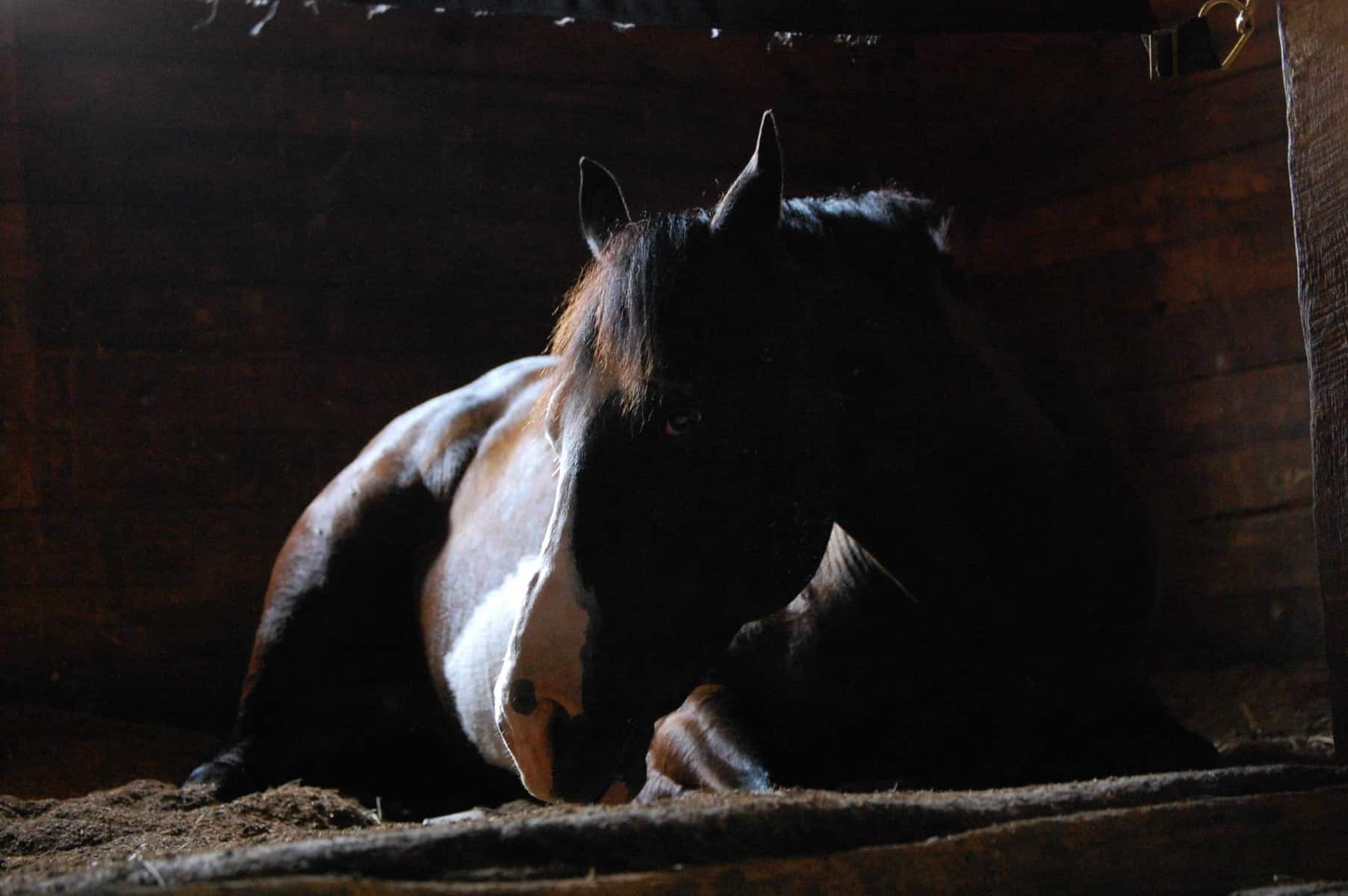
A Place to Rest

Bedding serves two functions: It creates a soft place for horses to lie down and rest. Additionally, it absorbs urine and helps control odor. Bedding options vary by region and can have an impact on your horse’s health. | Photo: Erica Larson, News Editor

Straw Bedding

Straw, the byproduct of grain production, is economical horse bedding. While it’s not as absorbent as other options, straw is often recommended for foaling stalls because it won’t stick to wet newborns. | Photo: Anne M. Eberhardt/The Horse
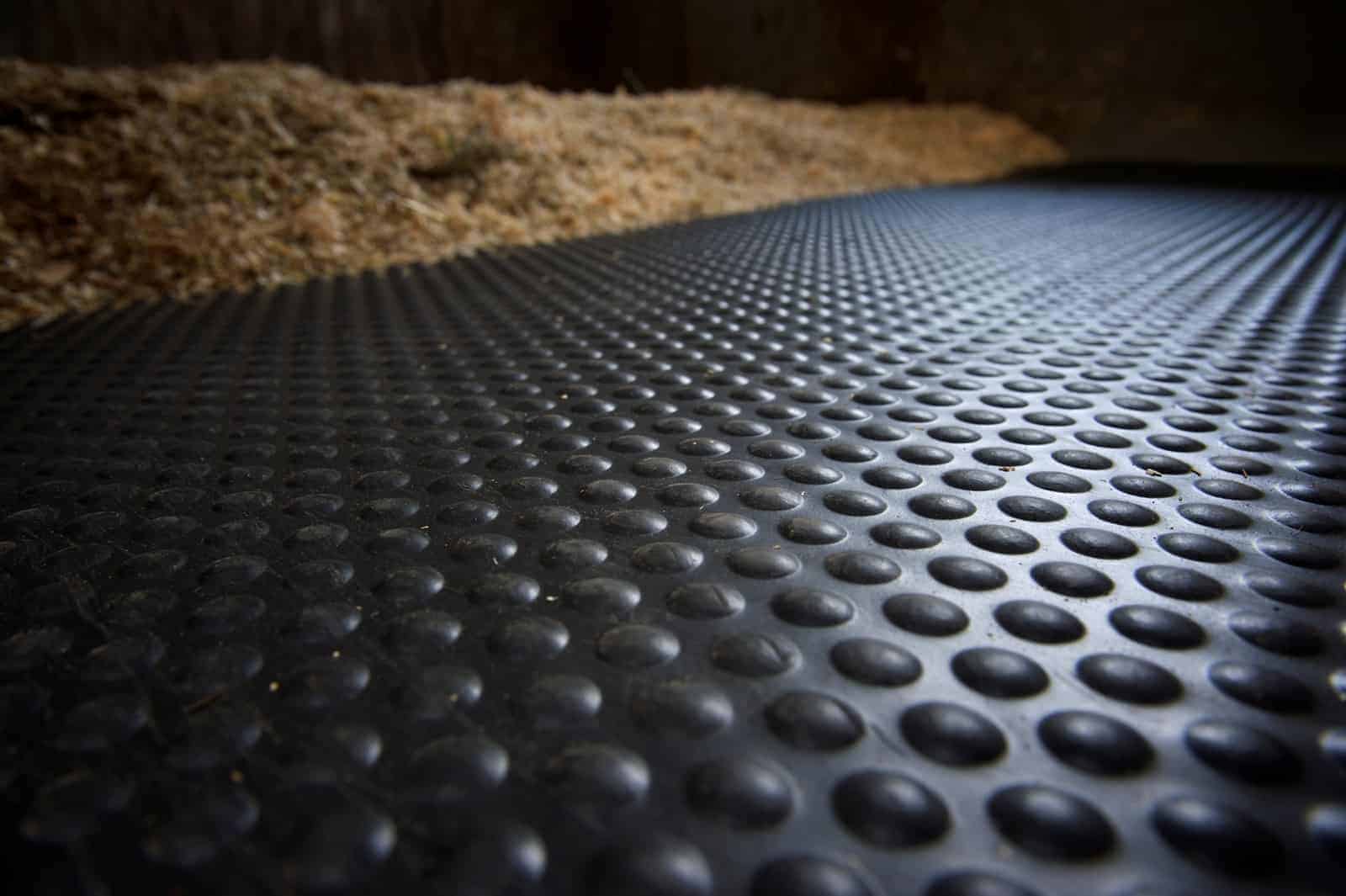
Stall Mats

Stall mats make for easy cleanup, create cushion, and cut down on the amount of bedding a stall requires. | Photo: Arnd Bronkhorst/www.arnd.nl
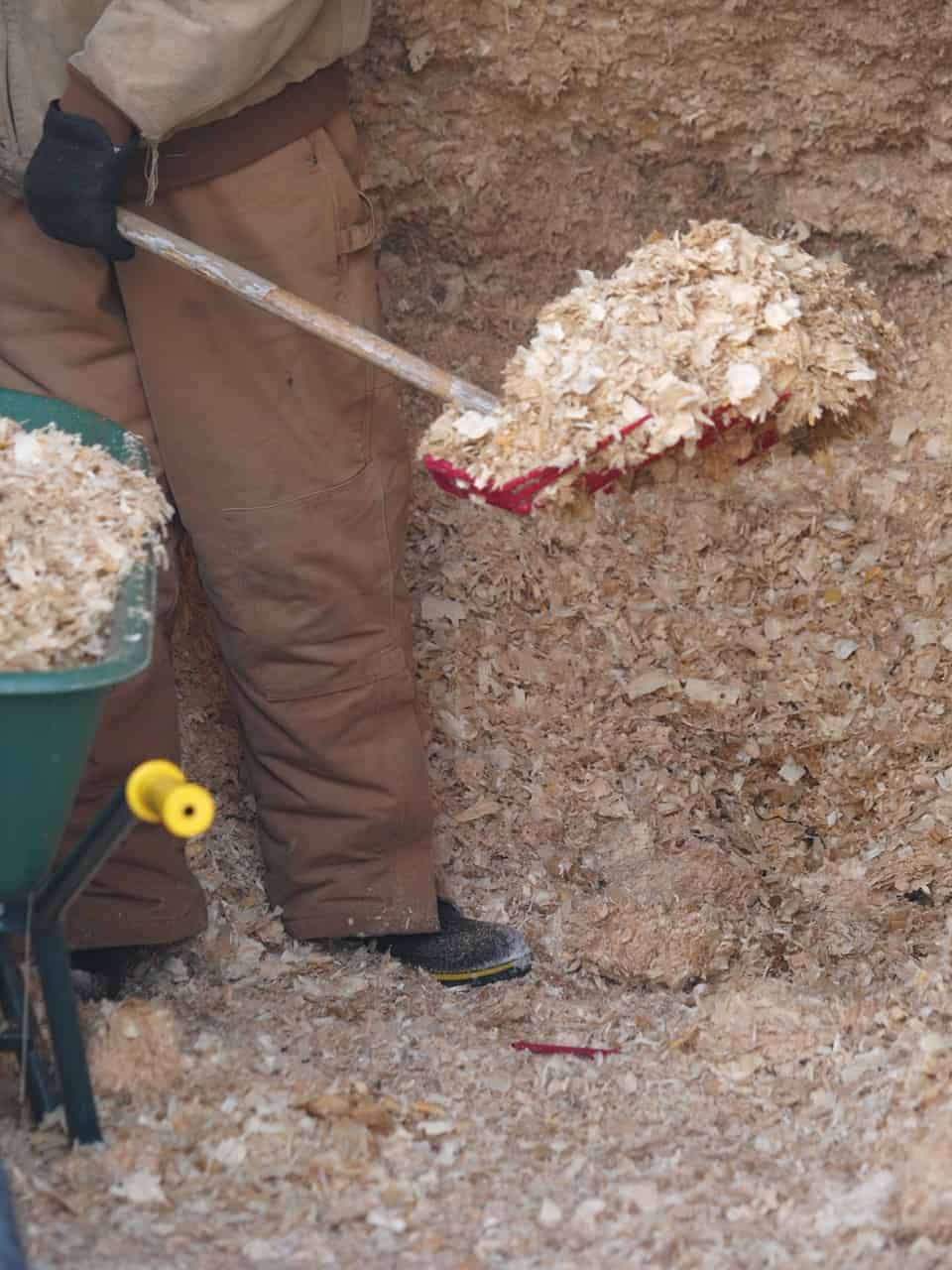
Wood Shavings

Shavings are often specifically produced and packaged as animal bedding. The particles are typically larger than sawdust, making them a less irritating or dusty bedding option. | Photo: Pam MacKenzie
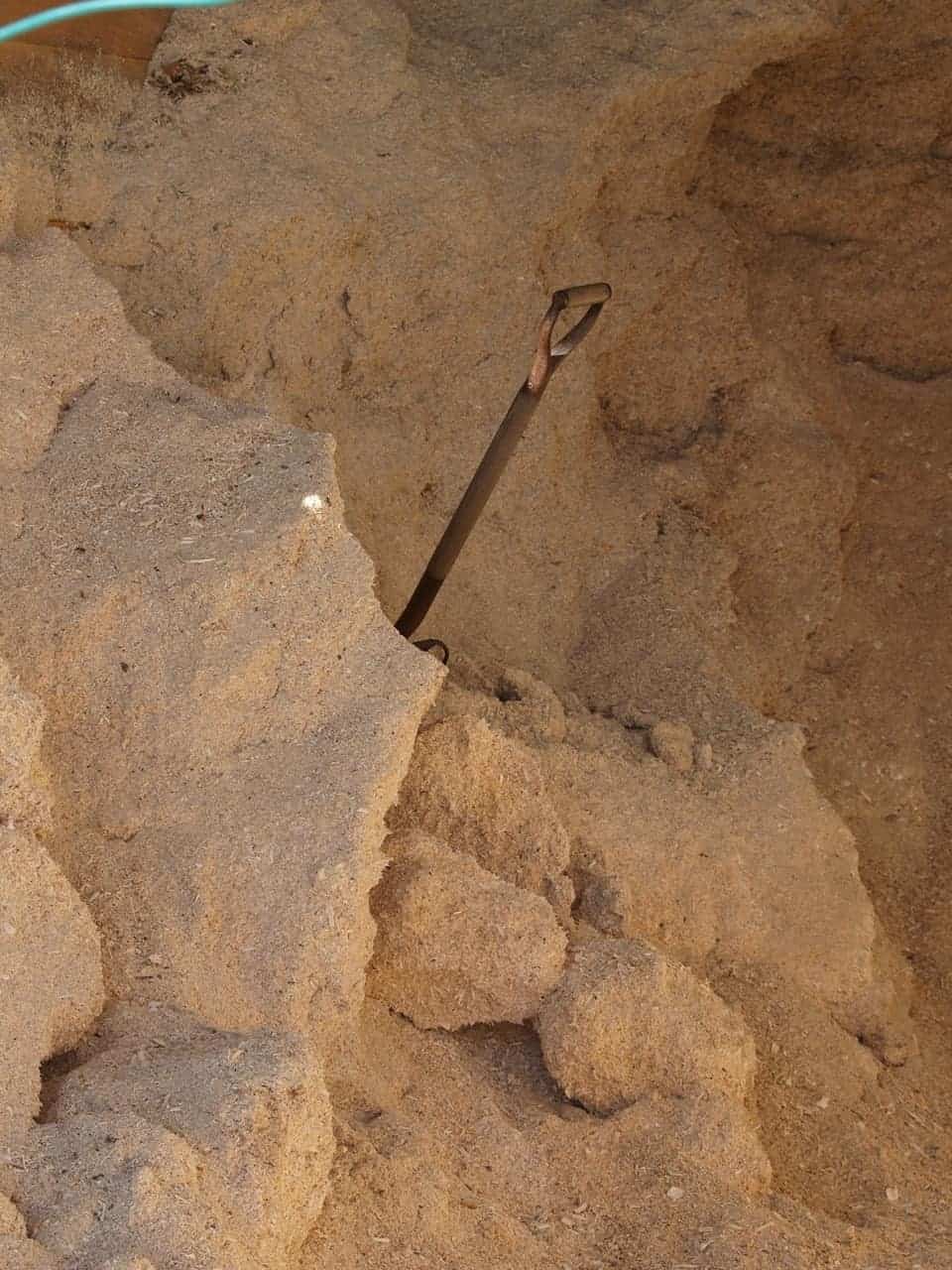
Sawdust

Sawdust is a lumber mill byproduct, which makes it widely available and relatively inexpensive. It's often made up of fine particles that produce dust, which can cause eye issues and exacerbate respiratory conditions. | Photo: Pam MacKenzie

Black Walnut Warning

Black walnut wood chips are highly toxic to horses, and simply standing on them can cause a horse to founder. To protect your horses, make sure any wood shavings or sawdust bedding sources do not include black walnut. | Photo: Photos.com
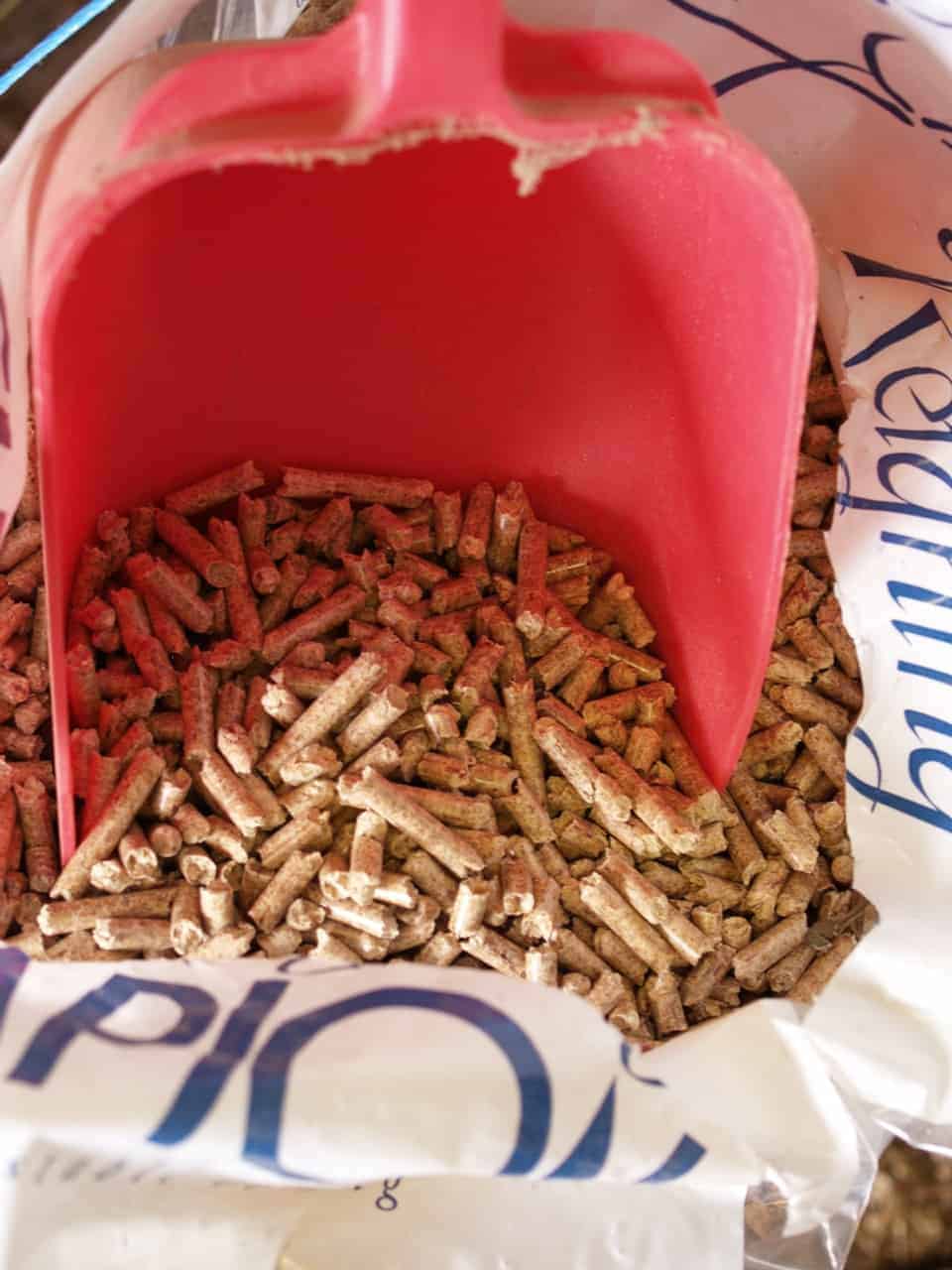
Pelleted Bedding

Pelleted horse bedding is made of compressed wood or wheat product that expands when exposed to moisture. Usually sold in 50-pound bags, pellets are easy to store. | Photo: Pam MacKenzie

Hay

Free-choice hay can double as a bedding material. Although, rising hay prices make it an expensive option: Experts estimate horses waste an estimated 20% of hay when free fed. | Photo: Photos.com
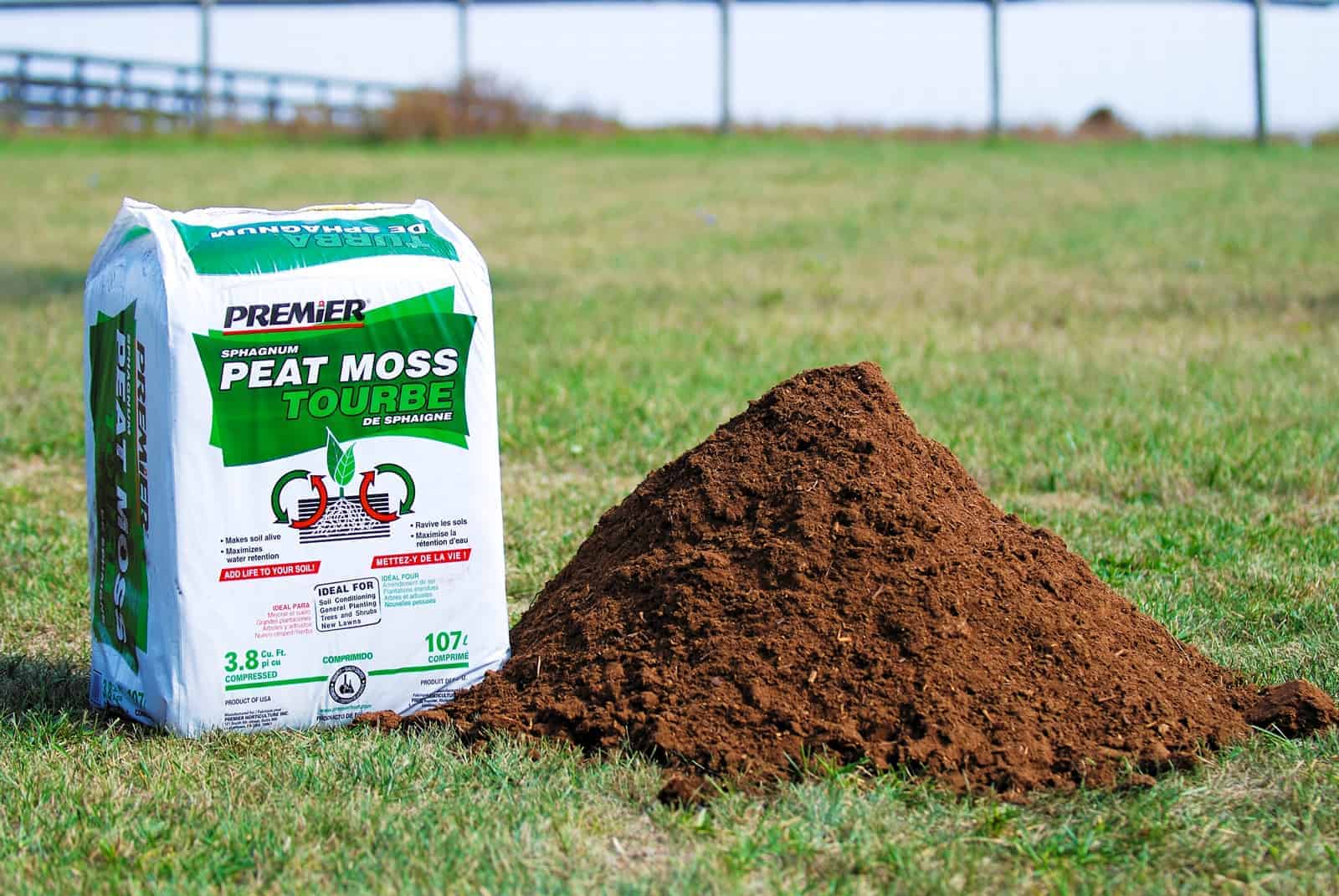
Peat Moss

Peat moss makes stall mucking easy and is a good addition to composting systems for manure management. | Photo: Paul Goodman
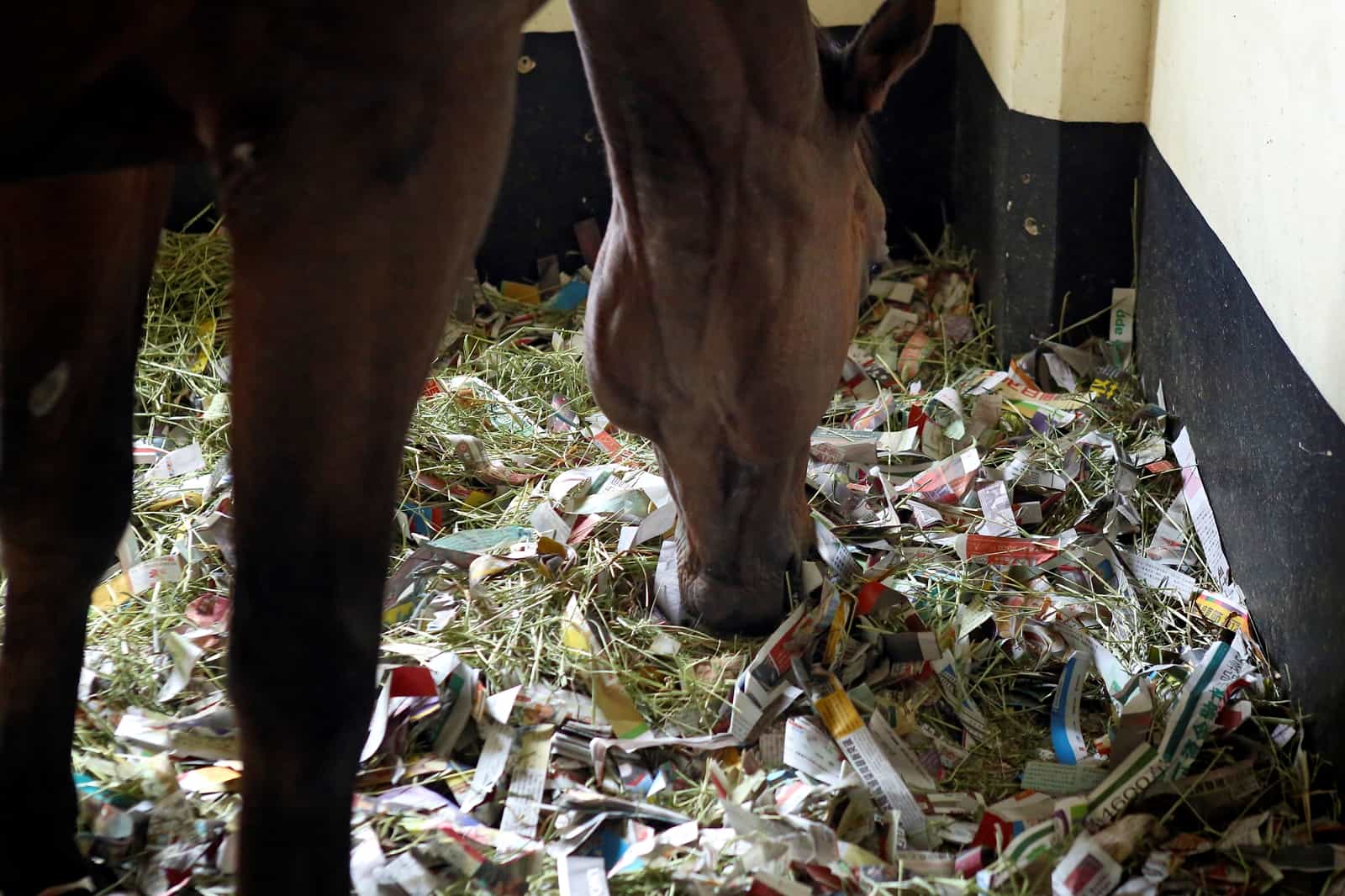
Shredded Paper

Reused shredded paper from reputable sources offers an economical, low-dust, and highly absorbent bedding option. However, beware the transfer of ink from the paper to light colored horses. | Photo: Arnd Bronkhorst/www.arnd.nl
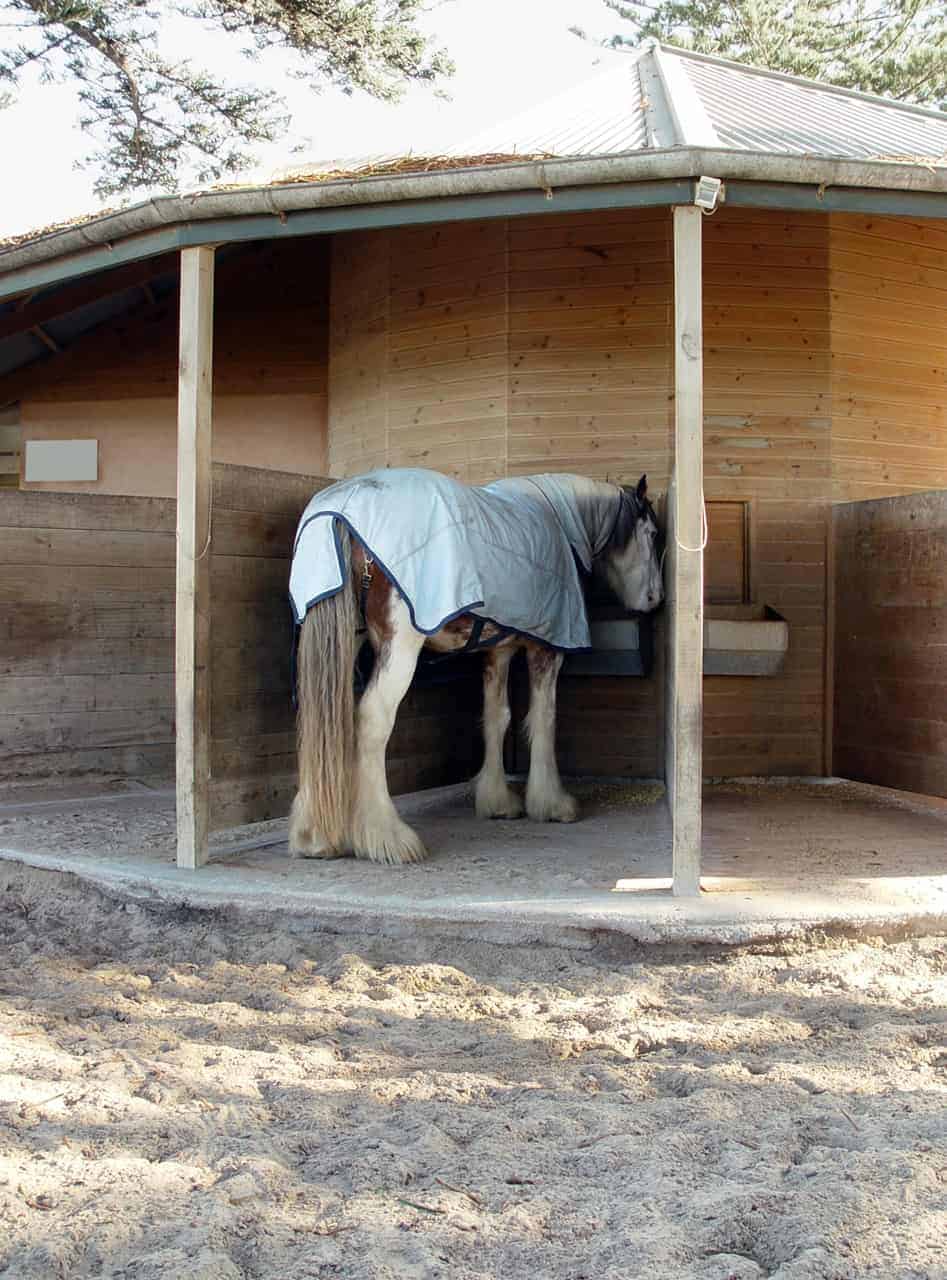
No Bedding

Horses kept in turnout with soft places to bed down might not need bedding, especially if loafing sheds are used only for eating and shelter from the weather rather than recumbent rest. | Photo: Photos.com
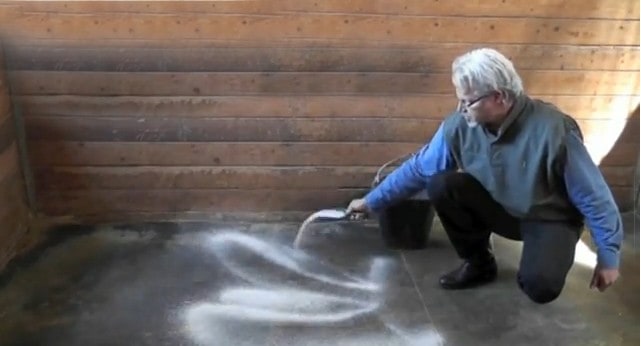
Bedding Additives

Additives used with bedding can reduce harmful odors and ammonia, which are associated with respiratory disease in stabled horses.
Share

The Horse Staff

The Horse: Your Guide To Equine Health Care is an equine publication providing the latest news and information on the health, care, welfare, and management of all equids.
MORE ARTICLES BY THIS AUTHOR
PrevPreviousHemorrhage Blamed for Calgary Stampede Horse Death
NextNew CEO Appointed for Animal Health TrustNext

Related Articles

Could Your Horse Have a Neurologic Condition?

7 Things Horse Sellers Need to Prepare Before a Prepurchase Exam

looking at horse's incisors

Managing Oral Injuries in Horses

bay horse jumping

Feeding the Athletic Senior Horse

Stay on top of the most recent Horse Health news with

FREE weekly newsletters from TheHorse.com

Learn More

Sponsored Content

Protected: Is Your Horse’s Diet Really Balanced?

eventing

Defense System Activated: Why Antioxidants Matter for Hardworking Horses

Closing the Gaps: When Forage Alone Isn’t Enough for Your Horse

Weekly Poll

sponsored by:
View All Polls

Readers’ Most Popular

6 Steps to Managing Horses With Hock Arthritis

Picking Horse's Hoof

What to Look for in a Thrush Treatment for Horses

insulin resistance in horses; Minimizing Laminitis Risk in EMS Horses

Understanding Autumn Laminitis in Horses

Hay Soaking

Alternatives to Soaking Hay for Horses With Metabolic Problems

Top Categories

  • Breeding and Reproduction
  • Nutrition
  • Horse Care
  • Hoof Care
  • Diseases and Conditions
  • Vet and Professional
Partners in Equine Health
AAEVT Logo
World Equine Veterinary Association logo
AAEP logo
BEVA logo
International Association of Professional Farriers logo
Equine Protozoal Myeloencephalitis logo

Seek the advice of a qualified veterinarian before proceeding with any diagnosis, treatment, or therapy.

Follow us

Youtube Instagram Pinterest Facebook Twitter

Our Sites

  • A Home For Every Horse
  • American Cowboy
  • Barrel Racing Magazine
  • Breakaway Roping Journal
  • Calf Roping
  • EQUUS
  • Haul Safe
  • Hope In The Saddle
  • Horse & Rider
  • Practical Horseman
  • Stable Management
  • Team Roping Journal
  • The Horse
  • US Rider
  • US Roper
  • A Home For Every Horse
  • American Cowboy
  • Barrel Racing Magazine
  • Breakaway Roping Journal
  • Calf Roping
  • EQUUS
  • Haul Safe
  • Hope In The Saddle
  • Horse & Rider
  • Practical Horseman
  • Stable Management
  • Team Roping Journal
  • The Horse
  • US Rider
  • US Roper

Resources

  • About Us
  • Contact Us
  • Freelance Info
  • Help
  • Horse Radio Network
  • About Us
  • Contact Us
  • Freelance Info
  • Help
  • Horse Radio Network

Company

  • Meet the Staff
  • Mission Statement
  • Terms of Use
  • Community Policy
  • Advertise with Us
  • Data Subject Access Request
  • Privacy Policy
  • Cookie Consent
  • Meet the Staff
  • Mission Statement
  • Terms of Use
  • Community Policy
  • Advertise with Us
  • Data Subject Access Request
  • Privacy Policy
  • Cookie Consent
Your Privacy Choices
Seek the advice of a qualified veterinarian before proceeding with any diagnosis, treatment, or therapy.
  • RSS feed
  • Site Map
  • Privacy
  • EquineNetwork.com
  • RSS feed
  • Site Map
  • Privacy
  • EquineNetwork.com
Copyright ©2026 Equine Network, LLC. All rights reserved. Reproduction in whole or in part in any form or medium without written permission of Equine Network, LLC is prohibited. THE HORSE, THE HORSE logo, THEHORSE.com and THEHORSE.com logo are trademarks of Equine Network, LLC.

We use cookies to improve your experience on our site. By using our site you consent to cookies. Learn more

Sign In

Lost your password?

Don’t have an account? Register for a FREE account here.

Create a free account with TheHorse.com!

"*" indicates required fields

Name*
Password*

Profile

Do you own a horse?
Do you own a horse trailer?
Do you own a horse farm?
In which equestrian disciplines do you ride, show, or participate?

Newsletter Offers

Weekly Newsletters
Monthly Newsletters
Other Newsletters
By clicking "subscribe", I consent to Equine Network’s Privacy Policy and Terms of Service and I represent that I am over 16 years old.
The Horse
Powered by  GDPR Cookie Compliance
Privacy Overview

This website uses cookies so that we can provide you with the best user experience possible. Cookie information is stored in your browser and performs functions such as recognising you when you return to our website and helping our team to understand which sections of the website you find most interesting and useful.

Strictly Necessary Cookies

Strictly Necessary Cookie should be enabled at all times so that we can save your preferences for cookie settings.