Skip to content
Sign Up for Newsletter
Get Unlimited Access
Facebook-f Twitter Pinterest-p Instagram Youtube
  • Login
    • Register
  • Newsletters
  • Magazine
  • Login
    • Register
  • Newsletters
  • Magazine
  • Topics
    Breeding and Reproduction

    Horse breeding from planning through foal care

    Hoof Care

    Prevention and treatment for problems of the equine foot

    Nutrition

    Proper feeding practices for foals, adult horses, and older horses

    Welfare and Industry

    Discussions about the welfare of our equine friends

    Diseases and Conditions

    Horse-heath-problem risk factors, prevention, diagnosis, and treatment

    Horse Care

    How to care for the basic health needs of horses

    Sports Medicine

    All aspects of caring for performance horses

    All Topics
    Farm and Barn

    Design and maintain a healthy horse operation

    Lameness

    Prevention, diagnosis, and treatment of leg lameness

    Vet and Professional

    News and issues for equine health professionals

  • Magazine
    The Horse, Spring 2026

    Cover Story

    The Foals First 24 Hours of Life

    Important milestones and common health issues in equine neonates

    Also in this Issue

    • What Medications Are Safe for Pregnant Mares?
    • Lyme Disease: Signs, Incidence, and What the Research Tells Us
    • EHV-1 Explained
    • Computer-Assisted Repair of a Cervical Vertebral Fracture in a Horse
    • Ration Balancers vs. Vitamin/Mineral Supplements: Choosing the Right Fit
    • The Equine Lameness Exam
    • Sidebone: Incidental Finding or Clinical Concern?
    Digital Edition
    Give a Gift
    Subscribe
    Manage My Subscription
  • News

    Latest News

    Avoiding Dehydration in Sport Horses During Summer

    Don’t Gamble With Green Grass

    Updated Equine Salmonella Vaccine Targets Emerging Strains

    What to Know Before Weaning Your Foal

    Solving Common Equine Skin Problems

    Biosecurity for Equine Hospitals and Indoor Equine Facilities

    More News

    Disease Alerts


    EDCC Health Watch

    Event Coverage

    2025 AAEP Convention

    2025 ESS Symposium

  • Features

    Latest Features

    Inside the Microbiome

    Inside the Equine Gut Microbiome

    May 29, 2026
    Parasite Control for Today's Horses

    Parasite Control for Today’s Horses

    April 28, 2026

    Additional Features

    Managing Your Performance Horse’s Joints

    Equine Asthma

    Diagnosing and Treating Gastric Ulcers in Horses

    Promoting Longevity in Performance Horses

    What To Feed Old Horses

    All Features
  • Q&As

    Latest Q&A

    electrolytes for horses; Why Do Electrolytes Encourage Horses to Drink?

    Avoiding Dehydration in Sport Horses During Summer

    June 14, 2026

    Q&As

    Equine Behavior

    Animal behavior experts field your questions about why your horse does XYZ.

    Horse Nutrition

    Equine nutritionists respond to queries about forage, grain, supplements, and other related topics.

    Performance Horse Health

    Veterinarians and researchers tackle questions about equine athletes.

  • Visuals

    Featured Media:

    Biosecurity for Equine Hospitals and Indoor Equine Facilities

    vet exam, tail pull, neurologic exam

    Why Vitamin E Matters: Protecting Horses from Neuromuscular Disease

    Quick Links

    Webcasts
    Infographics
    Slideshows
  • Podcasts

    Featured Podcasts

    hives

    Solving Common Equine Skin Problems

    Feeding Horses: Hay is for Horses, Part 1

    Podcasts

    Ask 'TheHorse' Live

    The Horse’s experts answer your questions during a monthly live audio event.

    Equine Innovators

    Join us as we interview leading equine researchers.

    Feeding Horses

    Every month The Horse has an in-depth conversation with a respected equine nutritionist or veterinarian about a topic important to horse owners and professionals. 

    All Podcasts
  • Free Reports

    Fact Sheet: Pituitary Pars Intermedia Dysfunction (PPID)

    Fact Sheet: EPM

    Fact Sheet: Equine Protozoal Myeloencephalitis (EPM) in Horses

    Free Reports:

    View All Free Reports

    Quick referenced of horse conditions, diseases and health topics

    Forms

    Checklists and identification forms for horse owners

  • Tools
    feed cost calculator

    Horse Feed Cost Calculator

    Mare Gestation Calculator

    Mare Gestation Calculator

    Adult Horse Weight Calculator

    Adult Horse Weight Calculator

    Additional Resources


    Horse Health Glossary

    Get-A-DVM

    New Products

    Polls

    TheHorse.com en Español

  • StableManagement.com
  • Topics
  • Magazine
  • News
  • Features
  • Commentaries
  • Visuals
  • Podcasts
  • Free Reports
  • Tools
  • Shop
  • StableManagement.com
  • Login
    • Register
  • Newsletters
  • Magazine
  • Login
    • Register
  • Newsletters
  • Magazine

How Hay is Made for Horses

  • April 13, 2020
  • Posted by The Horse Staff
Have you ever wondered how hay gets from the field to your horse’s feeder? Find out in our slideshow.
  • Topics: Farm and Barn, Hay, Nutrition, Pasture & Forage Management, Pastures, Slideshow
Share
Favorite
Please login to bookmark Close

Please login to access.

ADVERTISEMENT

Hay is for Horses

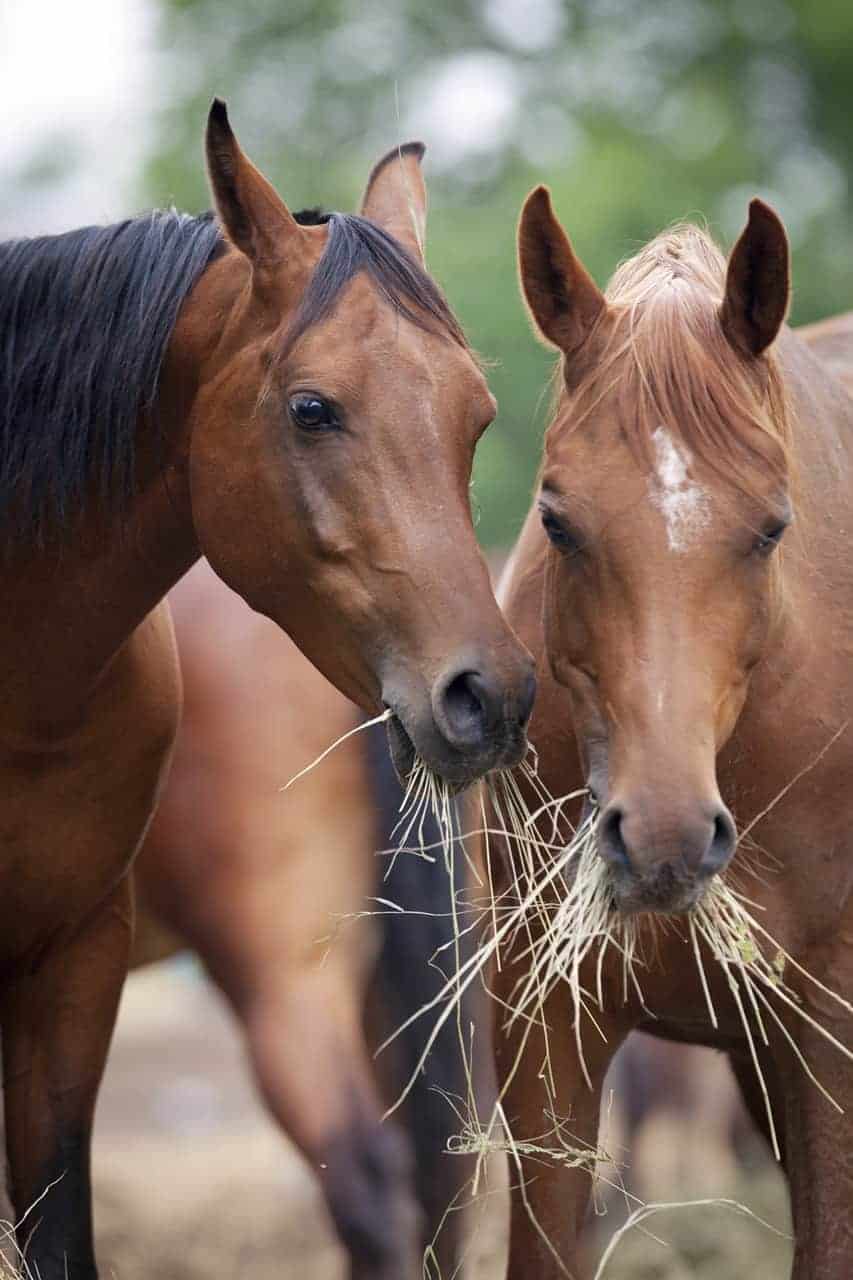
Hay is one of horses' primary sources of forage—the most important part of the equine diet. An average-sized horse eats approximately 4 tons (8,000 pounds) of hay per year. | Photo: Thinkstock
Healthy Hayfields

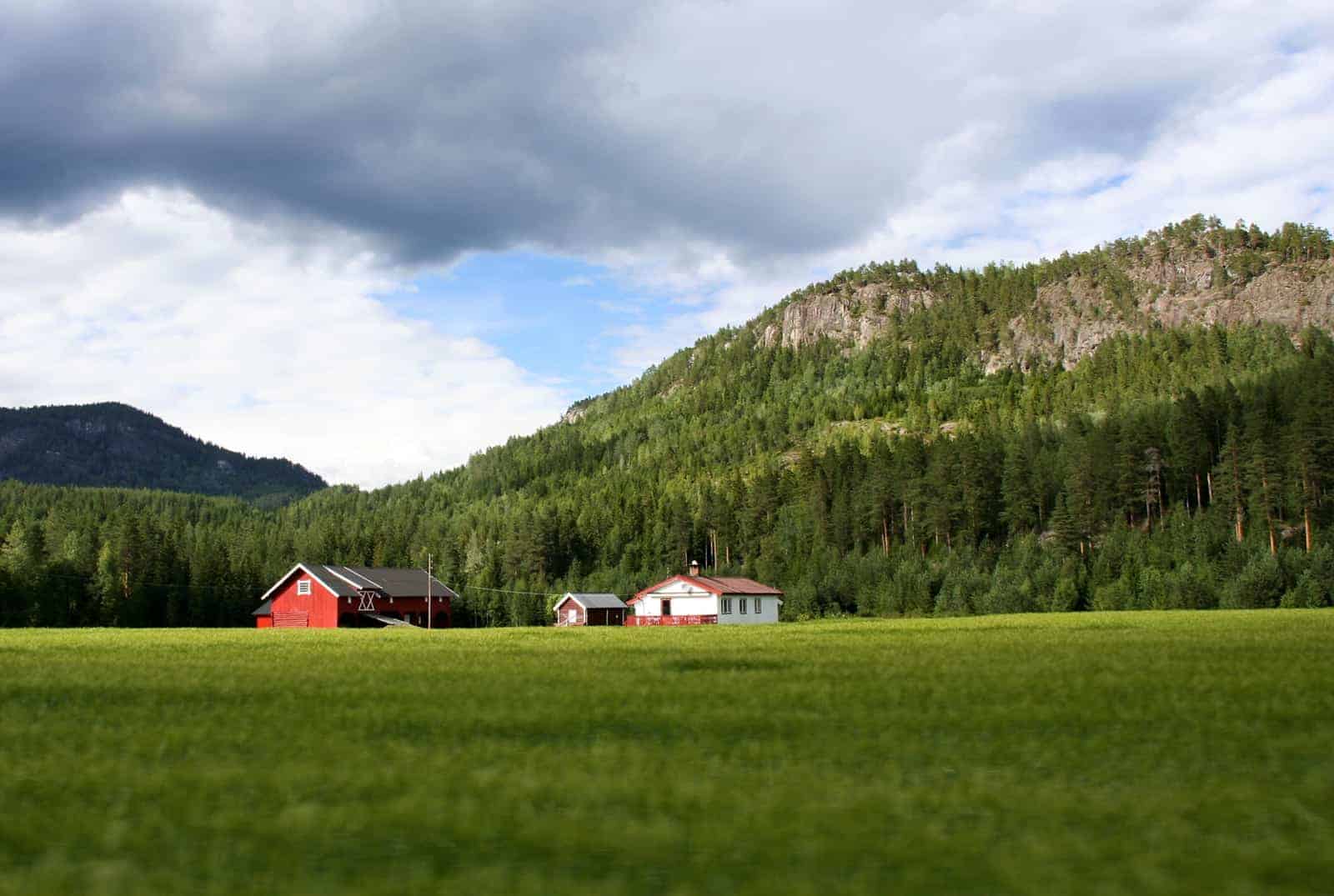
Hayfields comprise nutritious grasses and/or legumes (such as alfalfa), and the specific types grown and harvested vary by region and market demand. Hay is a perennial crop, which means it doesn’t require replanting each year. Healthy horse hayfields ideally contain few to no weeds and are sometimes certified as “weed free.” Fertilizer is also used on growing grass and legume fields in conventional hay production. | Photo: Thinkstock
Irrigation

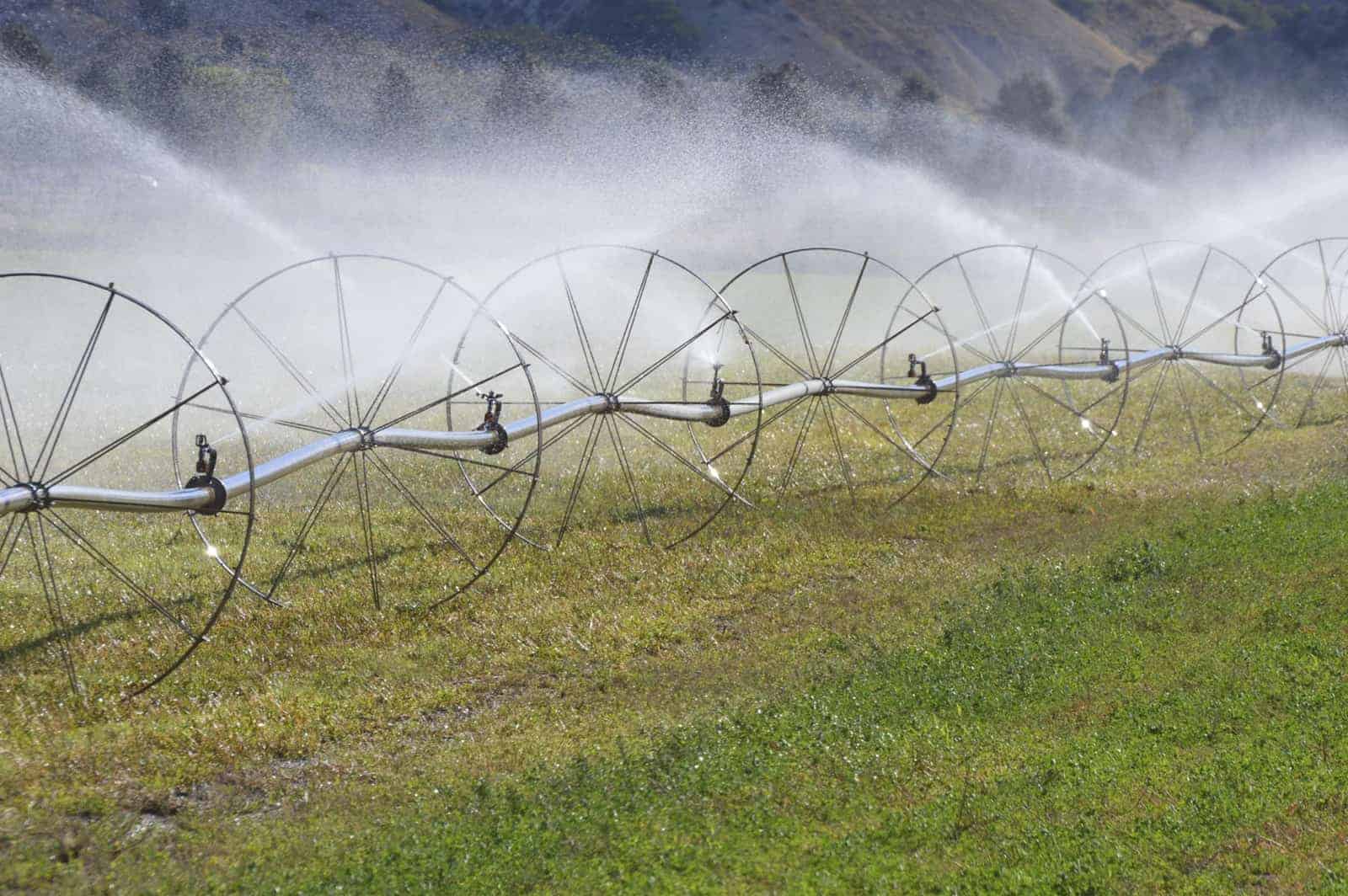
Some areas of the country, especially those with arid climates, require additional irrigation to water hayfields. The cost of irrigation equipment and electricity to run pumps adds to the overall cost of hay production. | Photo: Thinkstock
Grass Ready to Cut

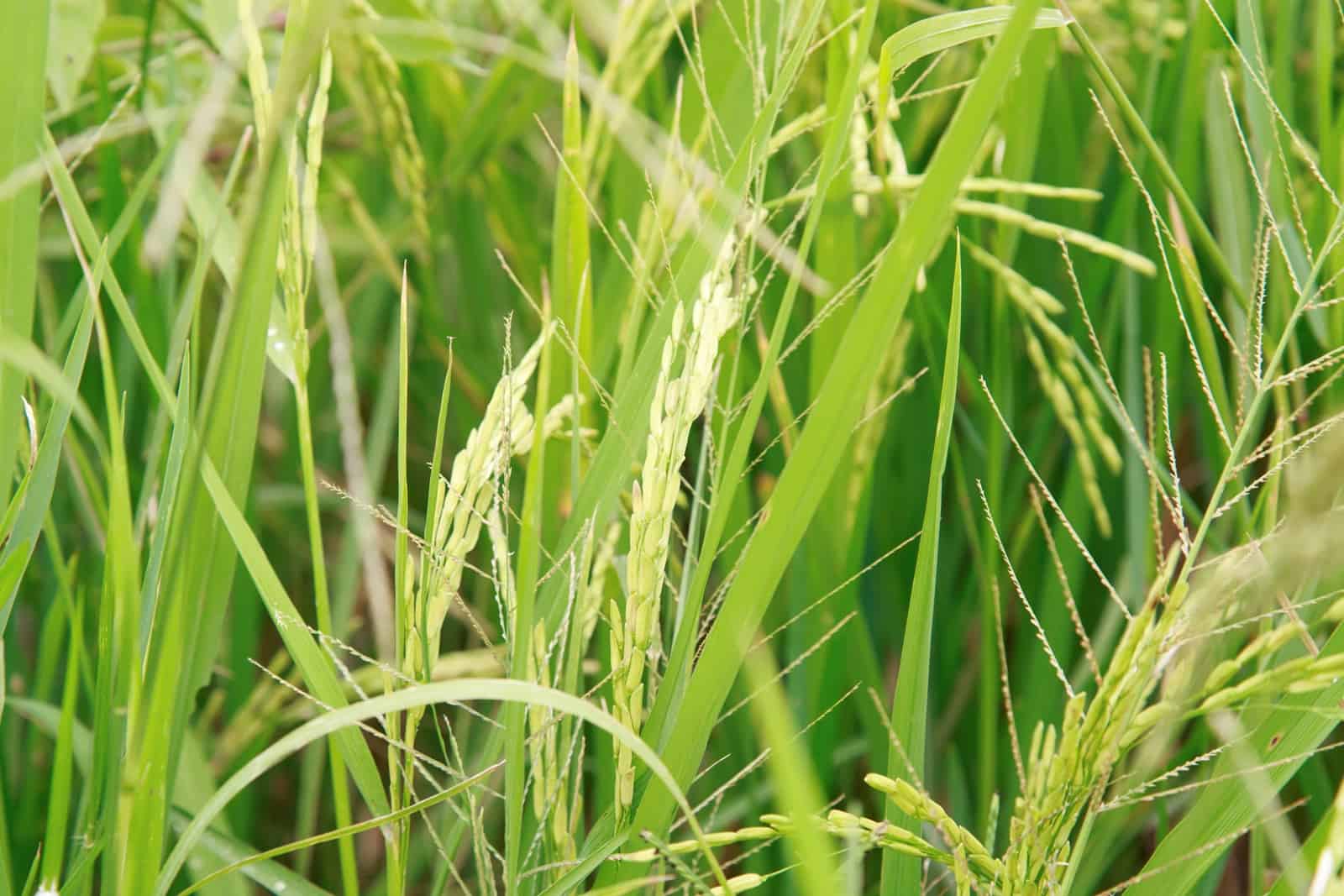
Hay is usually ready to cut, and most nutritious, when the grass (pictured) or legume is starting to form seed heads. For the hay farmer, properly timing the cut is everything when it comes to quality. | Photo: Thinkstock
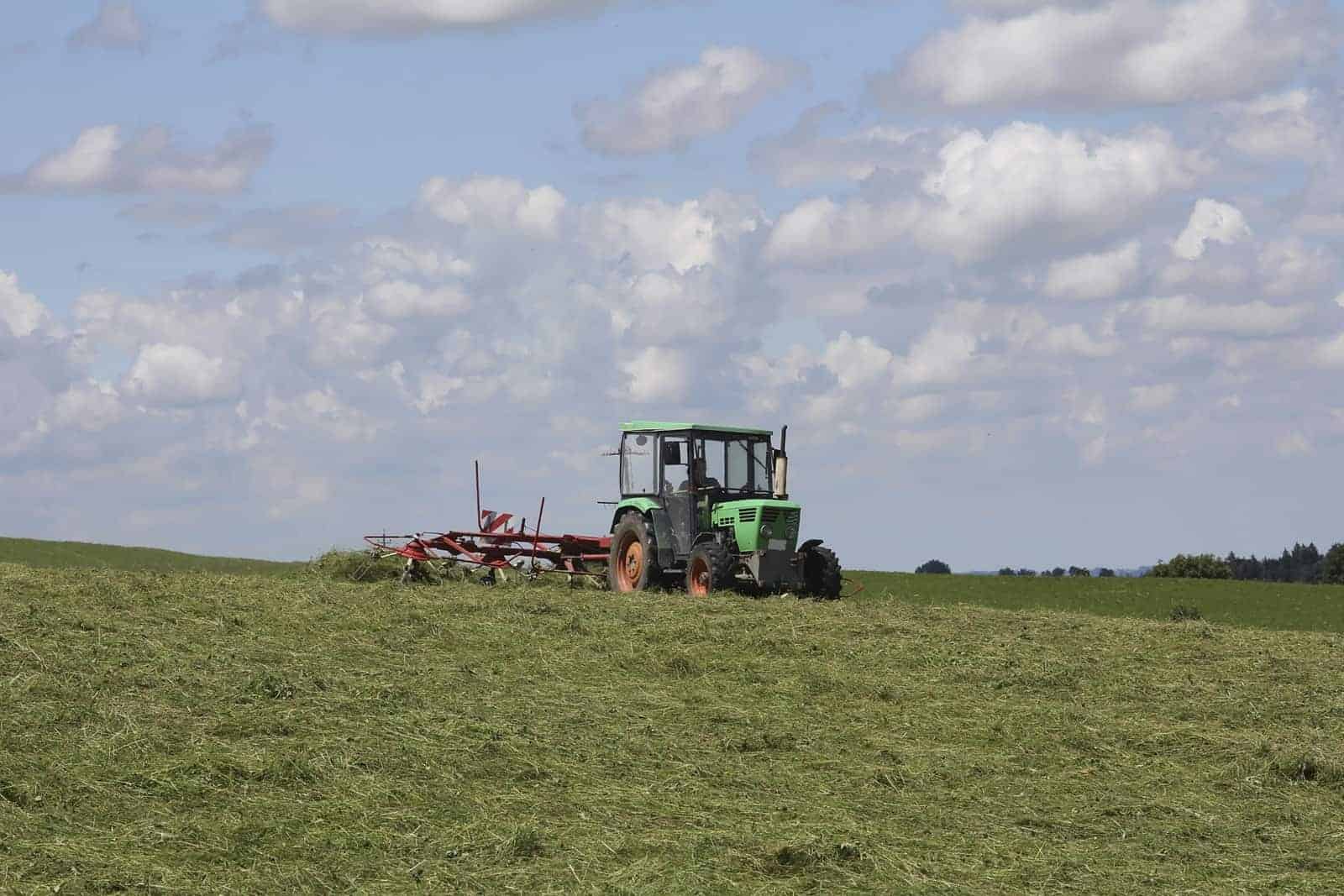
Mowing Hay

After hay is cut or mowed, it is cured (dried) and raked into windrows. Or, a swather (also known as a “windrower”) is used to both cut and place hay in windrows to cure. Many fields produce two, three, or sometimes even more cuttings per year, depending on their health and the weather. | Photo: Thinkstock
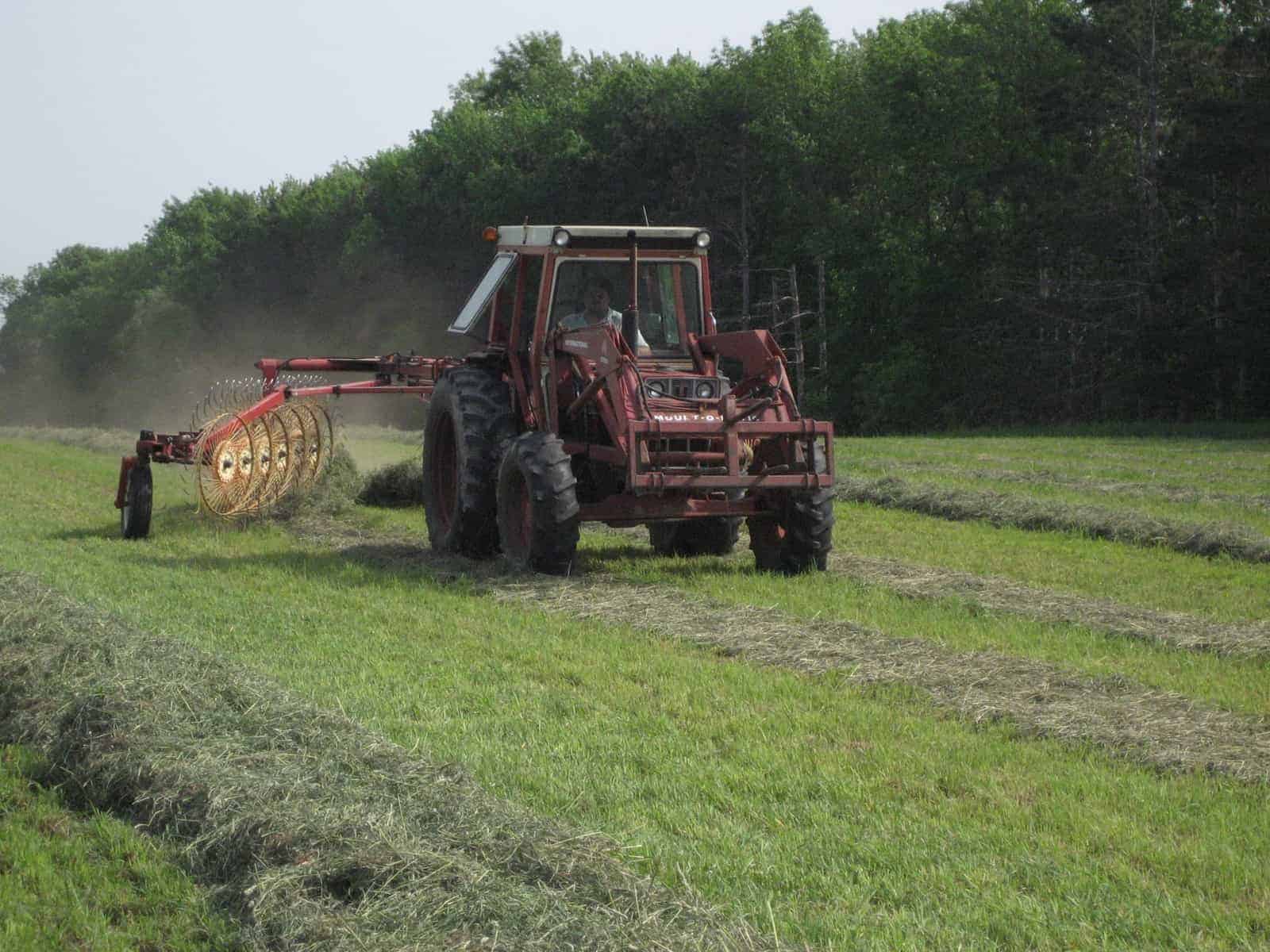
Raking Hay

Hay is often raked into windrows to dry after cutting. Hay that is cured for too long can over dry, bleach, and lose nutrition. | Photo: Courtesy Dr. Krishona Martinson/University of Minnesota
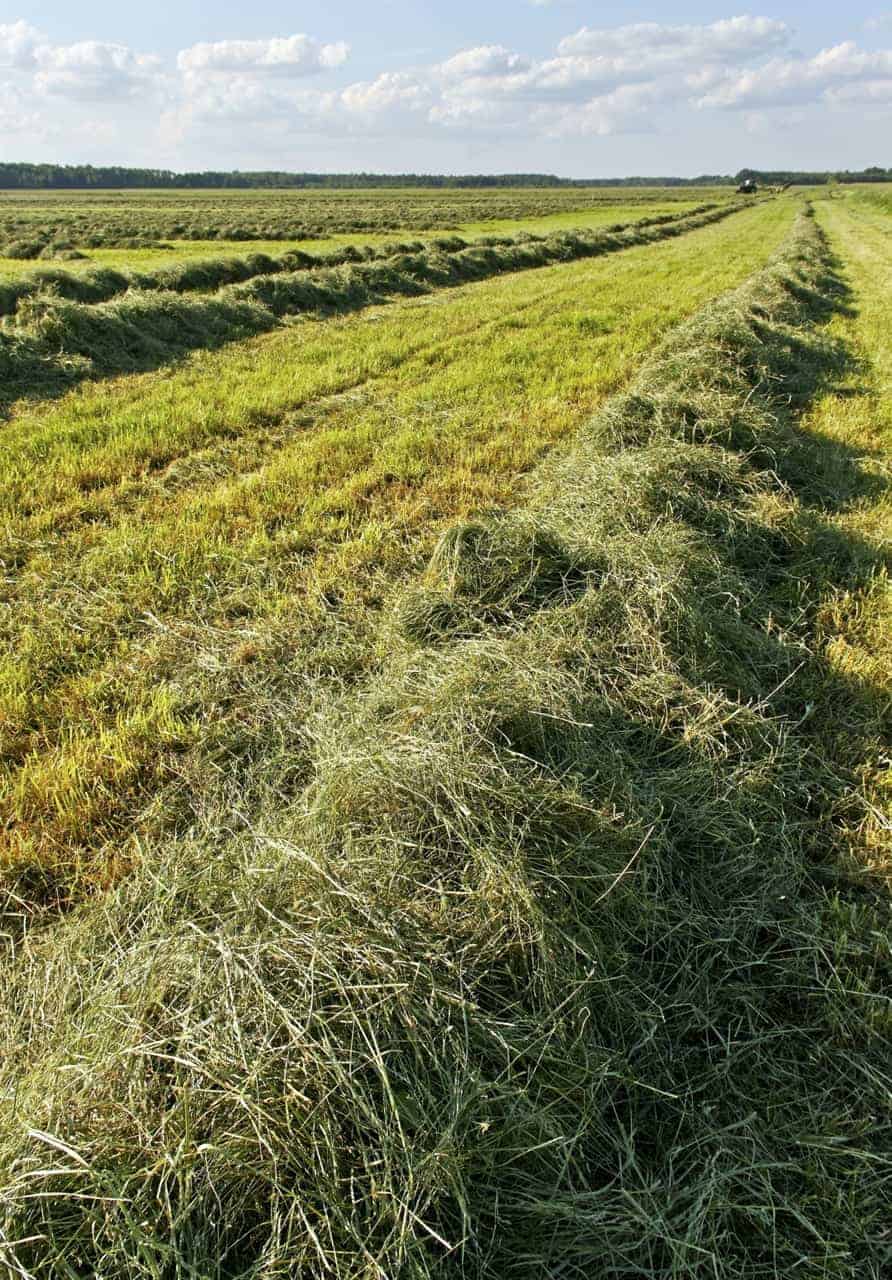
Windrows

This is an example of hay curing in windrows. Once hay is cut, farmers are in a race against Mother Nature: If hay is rained on as it’s curing, it must be turned and dried again, adding time to the hay making process. This also reduces the hay’s nutritional value and can make it unsuitable for horses. | Photo: Thinkstock
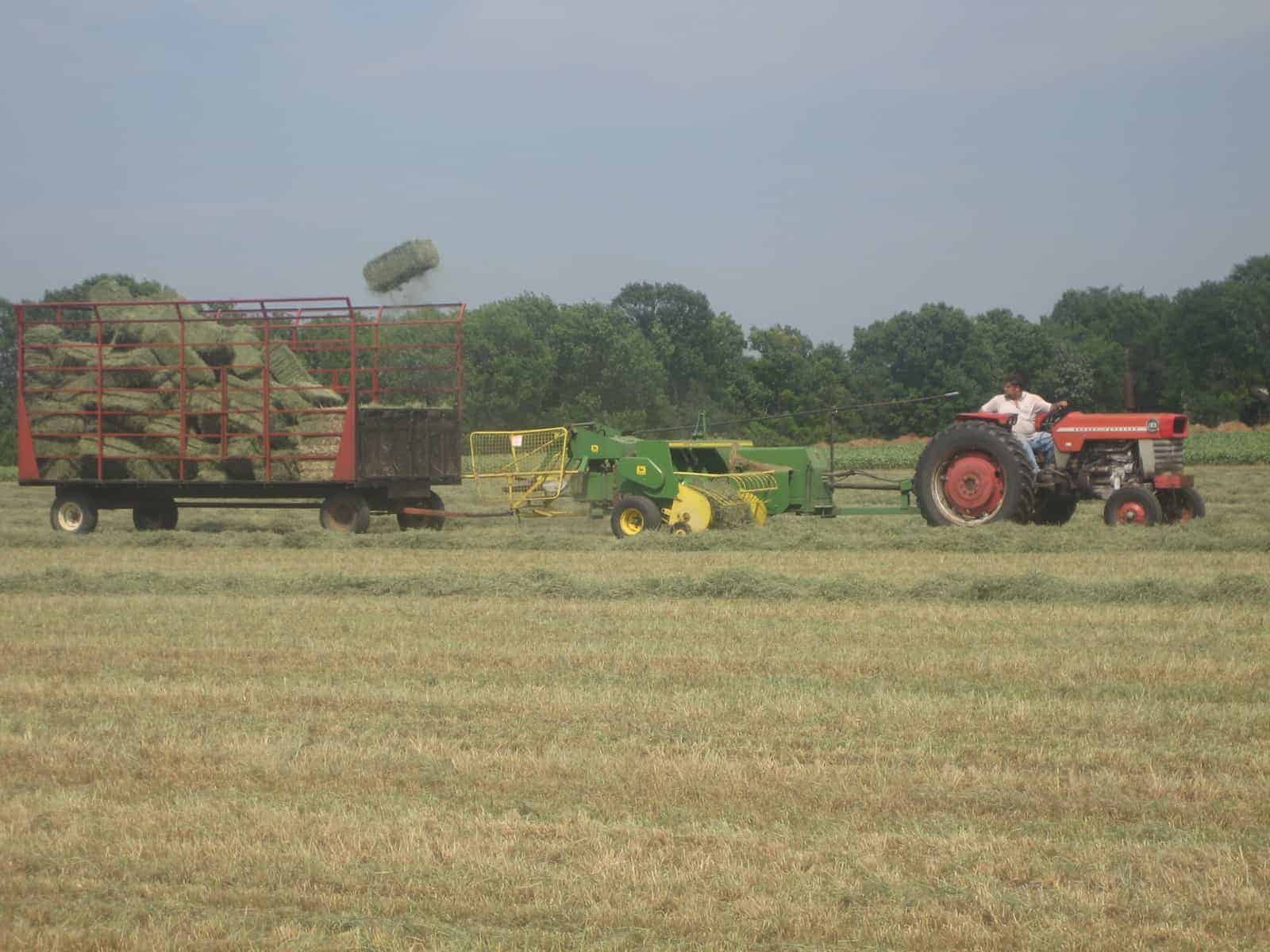
Baling

Hay is compacted into bales and bound with twine by a baler. Think of it as a big hay vacuum that sweeps up loose hay and spits out bales. Different types of balers produce various bale shapes and sizes. | Photo: Courtesy Dr. Krishona Martinson/University of Minnesota
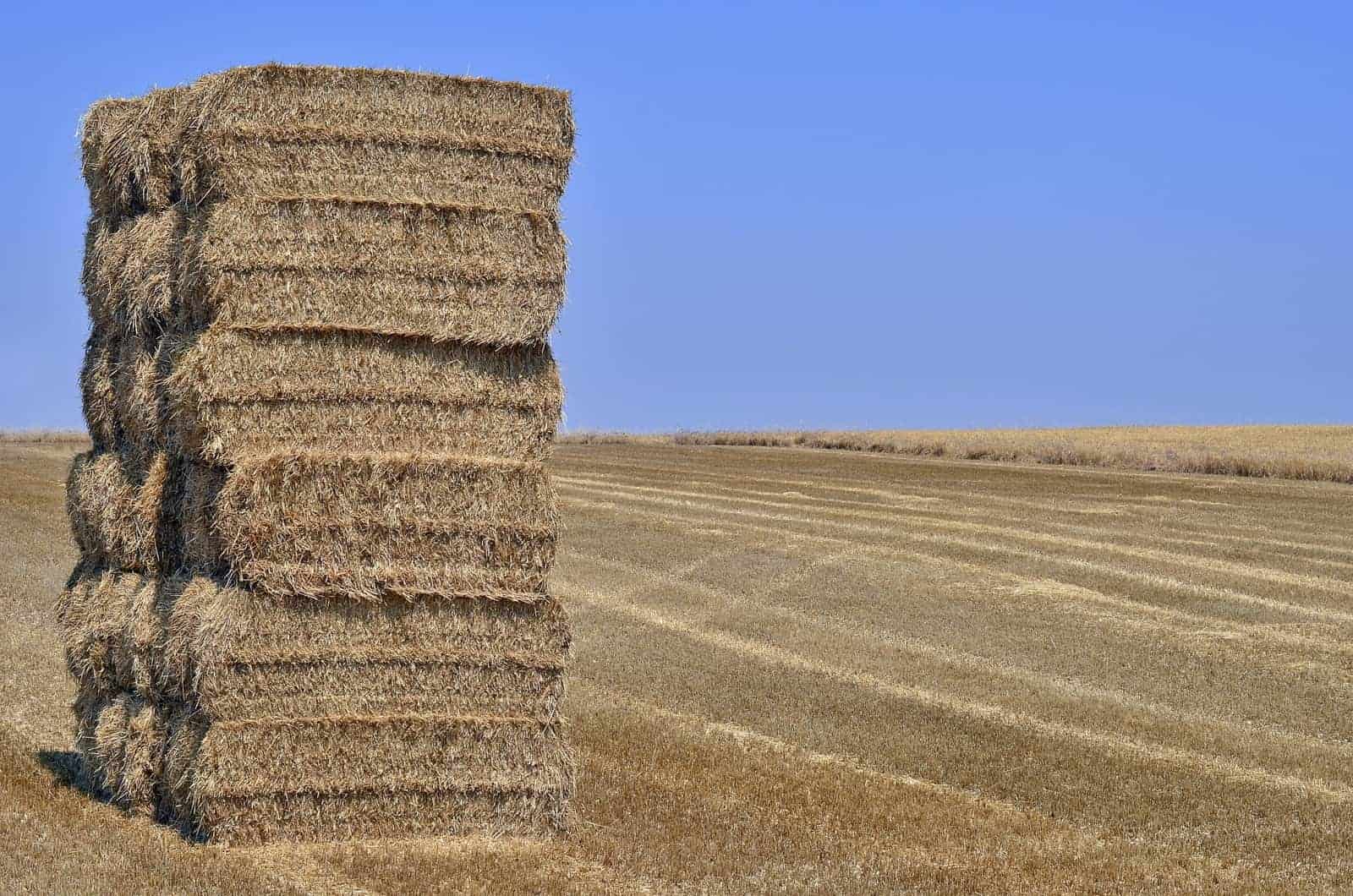
Square Bales

Square bales range from small (around 65 pounds) to large (800 pounds or more). The bales pictured are large. | Photo: Thinkstock
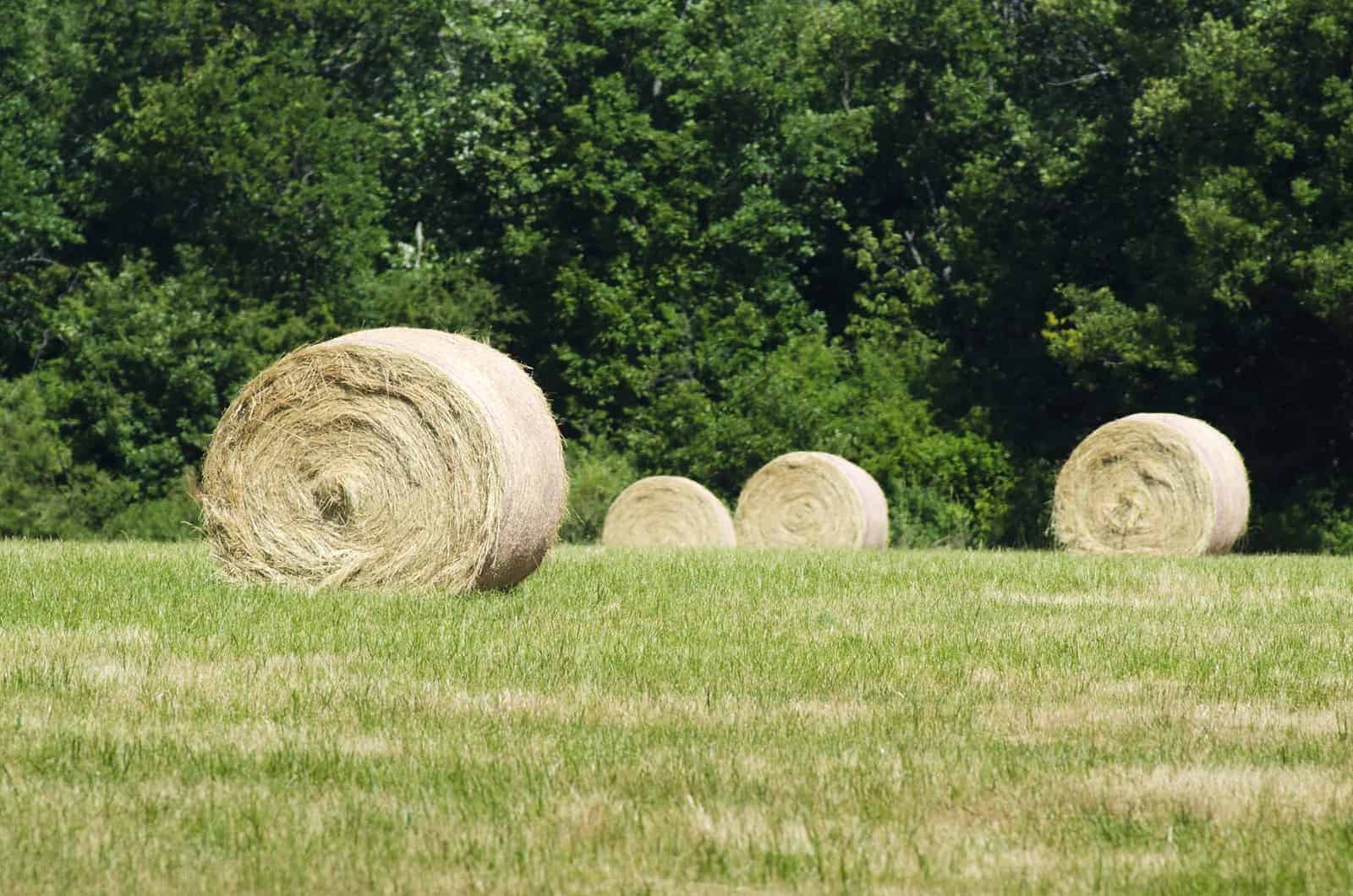
Round Bales

Hay can also be made into large round bales. However, managing and moving large bales requires tractor equipment. Also take care when feeding large bales: They are more likely to contain dead animals, which can potentially contaminate hay with deadly botulism spores. | Photo: Thinkstock
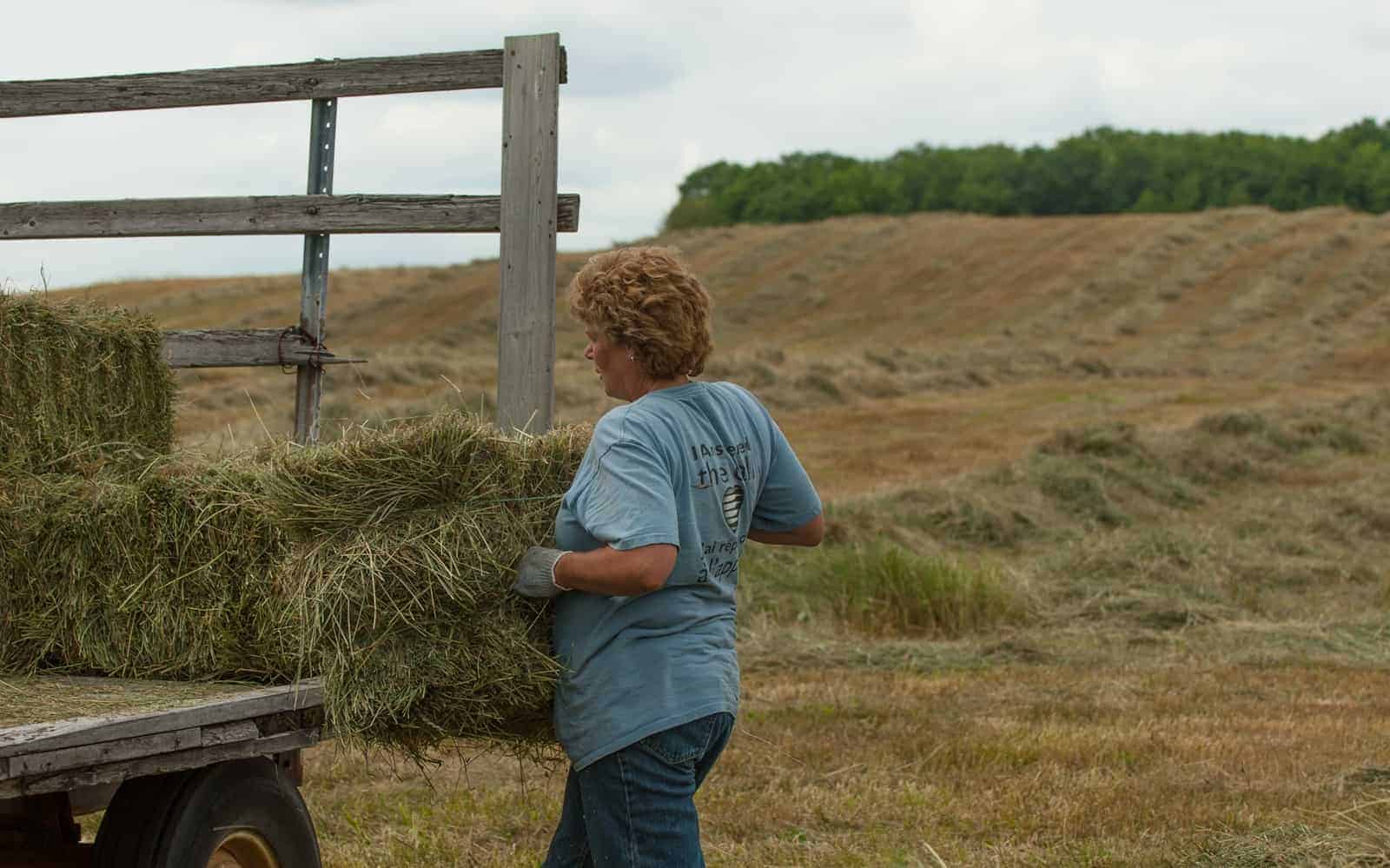
Collecting Hay from Field

Hay making is a labor-intensive process. Often small square hay bales are picked up from the field and stacked by hand. Sometimes horse owners can save money on hay by picking it up in the field before the farmer has moved it to storage. | Photo: Shawn Hamilton/Clix Photography
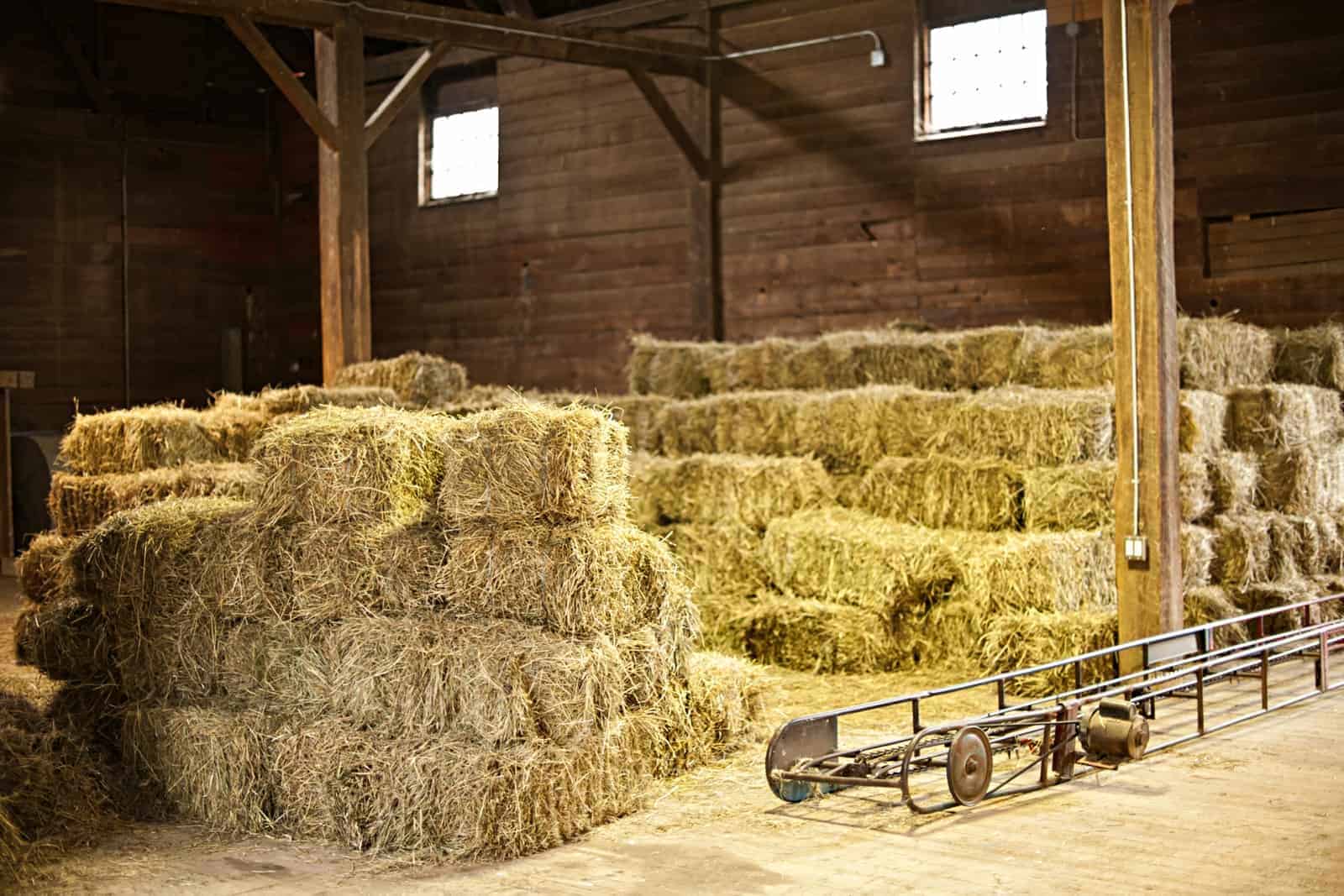
Storing Hay

Once hay is baled, it’s taken from the field and stored in a dry place for sale or use throughout the year. | Photo: Thinkstock

How Hay is Made for Horses

This is an example of hay curing in windrows. Once hay is cut, farmers are in a race against Mother Nature: If hay is rained on as it’s curing, it must be turned and dried again, adding time to the hay making process. This also reduces the hay’s nutritional value and can make it unsuitable for horses.

Share

The Horse Staff

The Horse: Your Guide To Equine Health Care is an equine publication providing the latest news and information on the health, care, welfare, and management of all equids.
MORE ARTICLES BY THIS AUTHOR
PrevPreviousUnderstanding Energy Content in Horse Feeds
NextCollecting Colostrum From MaresNext

Related Articles

electrolytes for horses; Why Do Electrolytes Encourage Horses to Drink?

Avoiding Dehydration in Sport Horses During Summer

spring pasture, turnout tips, horse turn out, horse in pasture, grazing, spring, spring turnout

Don’t Gamble With Green Grass

Biosecurity for Equine Hospitals and Indoor Equine Facilities

Feeding Horses That Have Dry Skin

Stay on top of the most recent Horse Health news with

FREE weekly newsletters from TheHorse.com

Learn More

Sponsored Content

Biosecurity for Equine Hospitals and Indoor Equine Facilities

Poll Recap: Readers Share Their Top Nutrition Sources

What’s the Best Gut Supplement for Your Horse?

hunter horse cantering, closeup of joints

The Importance of Prevention in Equine Osteoarthritis

Weekly Poll

sponsored by:

How often do you apply fly spray to your horse during peak fly season?
174 votes · 174 answers
VOTEView poll results
View All Polls

Readers’ Most Popular

free fecal water syndrome

Running Loose: Tackling Chronic Diarrhea in Horses

closeup of horse's legs walking through wet, muddy footing

The 3 Worst Threats to Your Horse’s Skin—and What to Do About Them

5 Secrets to Stronger Hooves

Parasite Control for Today's Horses

Parasite Control for Today’s Horses

Top Categories

  • Breeding and Reproduction
  • Nutrition
  • Horse Care
  • Hoof Care
  • Diseases and Conditions
  • Vet and Professional
Partners in Equine Health
AAEVT Logo
World Equine Veterinary Association logo
AAEP logo
BEVA logo
International Association of Professional Farriers logo
Equine Protozoal Myeloencephalitis logo

Seek the advice of a qualified veterinarian before proceeding with any diagnosis, treatment, or therapy.

Follow us

Youtube Instagram Pinterest Facebook Twitter

Our Sites

  • A Home For Every Horse
  • American Cowboy
  • Barrel Racing Magazine
  • Breakaway Roping Journal
  • Calf Roping
  • EQUUS
  • Haul Safe
  • Hope In The Saddle
  • Horse & Rider
  • Practical Horseman
  • Stable Management
  • Team Roping Journal
  • The Horse
  • US Rider
  • US Roper
  • A Home For Every Horse
  • American Cowboy
  • Barrel Racing Magazine
  • Breakaway Roping Journal
  • Calf Roping
  • EQUUS
  • Haul Safe
  • Hope In The Saddle
  • Horse & Rider
  • Practical Horseman
  • Stable Management
  • Team Roping Journal
  • The Horse
  • US Rider
  • US Roper

Resources

  • About Us
  • Contact Us
  • Freelance Info
  • Help
  • Horse Radio Network
  • About Us
  • Contact Us
  • Freelance Info
  • Help
  • Horse Radio Network

Company

  • Meet the Staff
  • Mission Statement
  • Terms of Use
  • Community Policy
  • Advertise with Us
  • Data Subject Access Request
  • Privacy Policy
  • Cookie Consent
  • Meet the Staff
  • Mission Statement
  • Terms of Use
  • Community Policy
  • Advertise with Us
  • Data Subject Access Request
  • Privacy Policy
  • Cookie Consent
Your Privacy Choices
Seek the advice of a qualified veterinarian before proceeding with any diagnosis, treatment, or therapy.
  • RSS feed
  • Site Map
  • Privacy
  • EquineNetwork.com
  • RSS feed
  • Site Map
  • Privacy
  • EquineNetwork.com
Copyright ©2026 Equine Network, LLC. All rights reserved. Reproduction in whole or in part in any form or medium without written permission of Equine Network, LLC is prohibited. THE HORSE, THE HORSE logo, THEHORSE.com and THEHORSE.com logo are trademarks of Equine Network, LLC.

We use cookies to improve your experience on our site. By using our site you consent to cookies. Learn more

Sign In

Lost your password?

Don’t have an account? Register for a FREE account here.

Create a free account with TheHorse.com!

"*" indicates required fields

Name*
Password*

Profile

Do you own a horse?
Do you own a horse trailer?
Do you own a horse farm?
In which equestrian disciplines do you ride, show, or participate?

Newsletter Offers

Weekly Newsletters
Monthly Newsletters
Other Newsletters
By clicking "subscribe", I consent to Equine Network’s Privacy Policy and Terms of Service and I represent that I am over 16 years old.
The Horse
Powered by  GDPR Cookie Compliance
Privacy Overview

This website uses cookies so that we can provide you with the best user experience possible. Cookie information is stored in your browser and performs functions such as recognising you when you return to our website and helping our team to understand which sections of the website you find most interesting and useful.

Strictly Necessary Cookies

Strictly Necessary Cookie should be enabled at all times so that we can save your preferences for cookie settings.