Small Strongyle Arrested Development Not Found in Foals
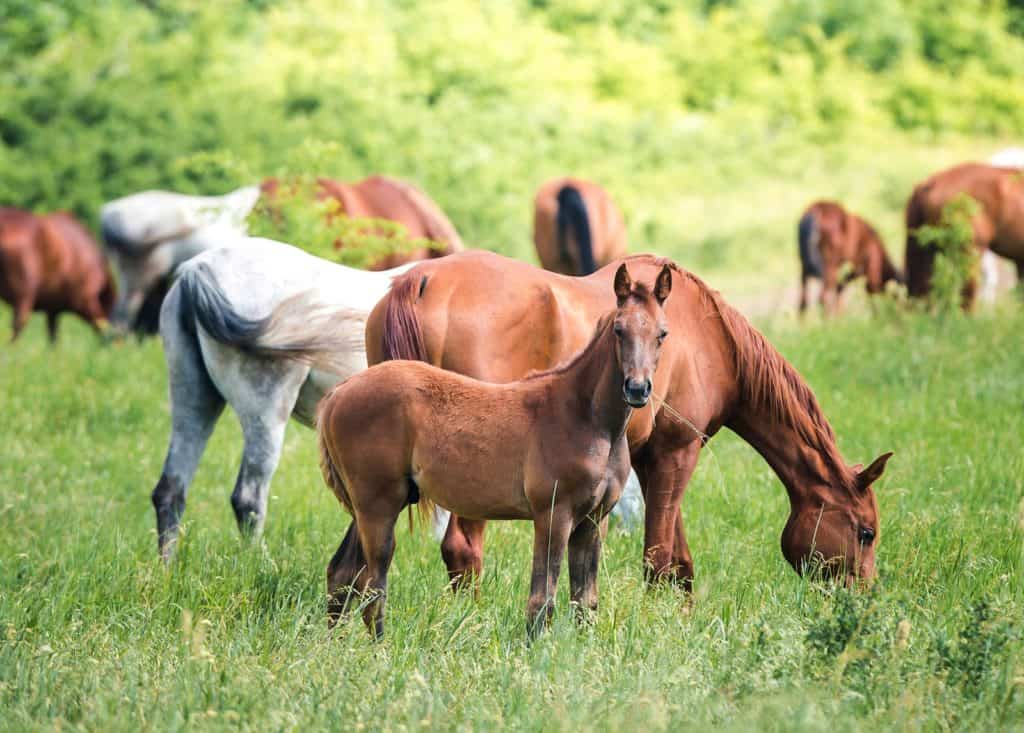
A recent study suggests small strongyles might not behave the same way in foals as they do in adult horses.

A recent study suggests small strongyles might not behave the same way in foals as they do in adult horses.
The ASPCA’s contest will award $100,000 in grant prizes to equine organizations across the country.

A complete, thorough, and timely work-up of the horse has the greatest effect on successfully treating colic.

The USDA is preparing to conduct its 2017 USDA Census of Agriculture, which will include horses.

Considering adopting a mustang? Here’s what you need to know.

Research has provided farriers with a better understanding of how weight-bearing and loading affect hoof wall growth.

Panelists presented scientific data on eventing risk management, endurance risk factors, and bone fatigue.
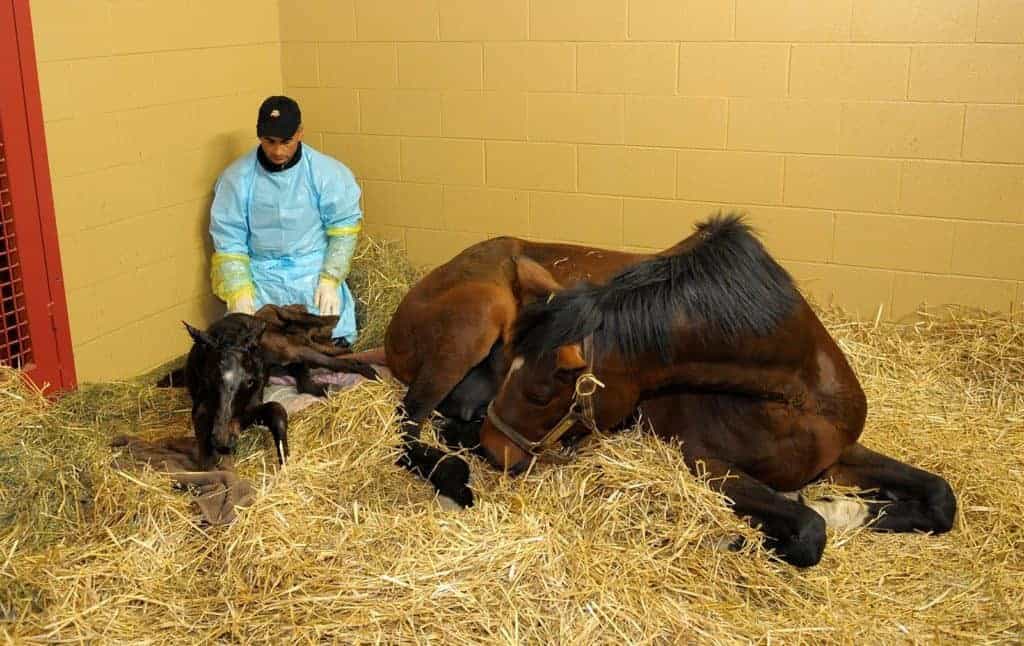
Neonatal medicine is an important area of equine practice, because time is of the essence when youngsters are sick.

With parasites’ growing resistance to anthelmintic drugs, owners must focus their control efforts on another area: pasture management.

An equine nutritionist explains how to ensure your horse gets an appropriate amount of salt.

Of the 804 respondents, 344 (43%) said they compost horse manure and use it to amend soil on their property.
The Research and Youth Panels will take place at the upcoming National Issues Forum, June 11-14 in Washington D.C.

Prefoaling secretions have a pH of 8.0 to 8.5 which decreases to 6.5 or lower as foaling approaches, researchers found.
The UHC aims to reduce unwanted horse numbers and improve their welfare through education and industry collaboration.

Learn whether your horse is at risk and if you should be vaccinating for this “new” disease.
Authorities are investigating a fire at The Barn for Equine Learning that claimed the lives of 13 therapy horses.