Vets, Horse Owners Urged to Prepare for Natural Disasters
The AAEP implores horse owners and vets prepare for emergencies as Hurricane Isaac moves towards the coast.

The AAEP implores horse owners and vets prepare for emergencies as Hurricane Isaac moves towards the coast.

The initiative follows a fatal traffic accident in May in which Pollard lost three international event horses.
The Tennessee Walking Show Horse Organization has demanded the HSUS share tipline responses.
All horses racing at Oaklawn Park in 2013 will likely will undergo a pre-race examination.

A new, minimally invasive kissing spines treatment method boasted a 95% success rate in a recent study.
The rules are scheduled to take effect Sept. 4, just before the start of Turfway Park’s meet.
So far the storm has not forced any widespread horse evacuations.
A 15-month-old Standardbred filly from Bourbon County was euthanized after developing clinical signs of WNV.
The animal survived the attack but sustained superficial burns and singeing over most of his body.
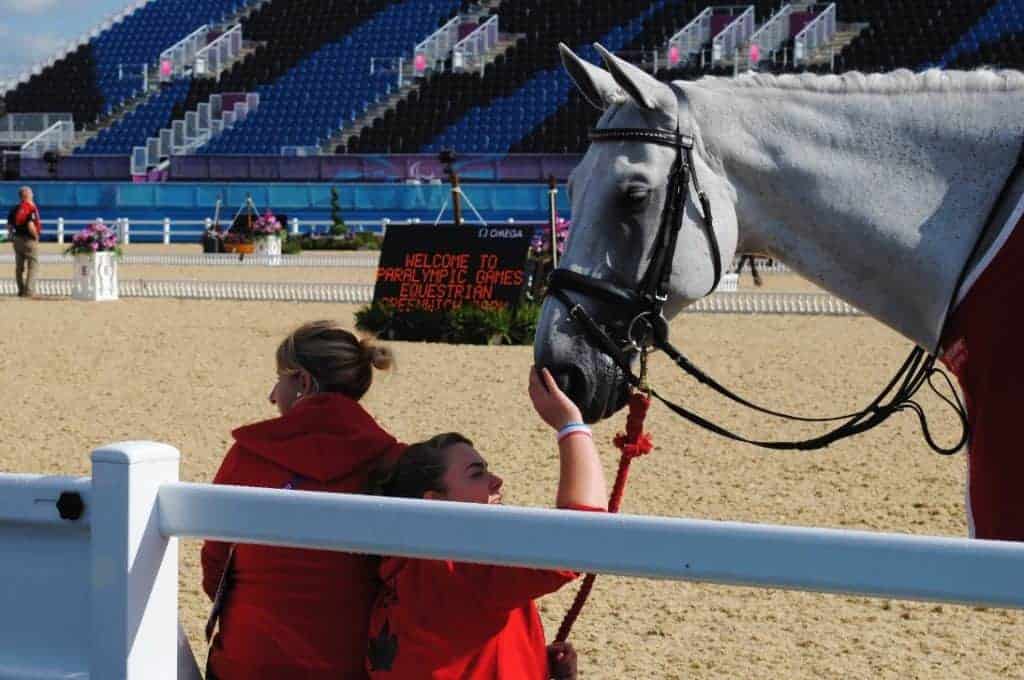
Seventy-eight riders and 77 horses will be competing over the six days of competition from Aug. 30 to Sept. 4.
Rhonda Rathgeber, DVM, PhD, will discuss the use of acupuncture in equine medicine.
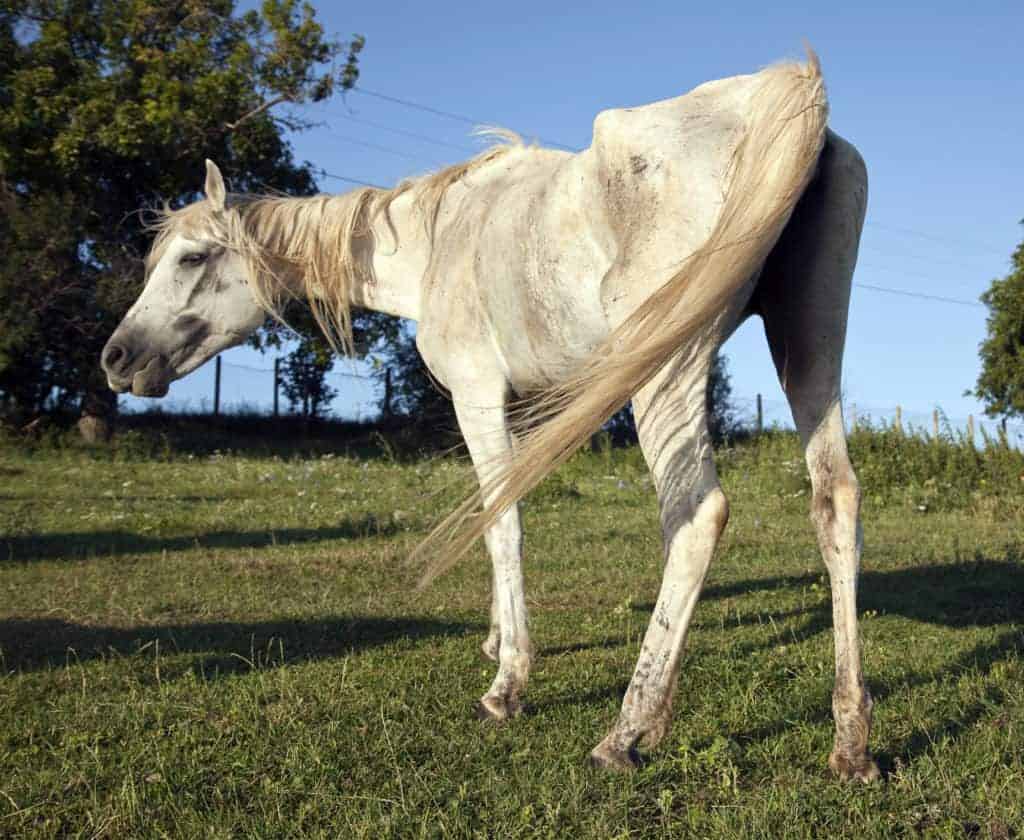
Low body weight in horses can trace to many issues, including dental problems and chronic disease.
The team will assist with locating, rounding up, identifying, and moving livestock after disasters.

Whether traveling to an out-of-state show or a mile away to the park, good equine health care starts at home.
The evacuation applies to the 700 horses currently stabled at Fair Grounds for its summer Quarter Horse meet.

Here are some practical steps that can be taken on cool-season grass pastures to help them recover for fall.