Study: Sires’ Genes Form the Equine Placenta
Researchers determined that it’s the sire’s genes that take the lead in developing the mare’s placenta.

Researchers determined that it’s the sire’s genes that take the lead in developing the mare’s placenta.
Meet a person instrumental in helping Rachel Alexandra recover from life-threatening foaling complications.
The symposium is open to anyone interested in learning about these disorders.

Learn how administering prostaglandins can help breeders improve their mares’ chances of becoming pregnant.

Placentitis is the most common cause of late-term abortion and remains challenging to diagnose and treat.
Bud and Jo Adams donated the funds to support teaching, research, and clinical services at the laboratory.

The Society for Theriogenology’s Conference starts Aug. 7 and continues through Aug. 10 in Louisville, Ky.

Chronic stress could lead to an increased susceptibility to disease due to the activation of certain genes.

Researchers believe the fetal consciousness transition could have a significant impact on neonatal health.
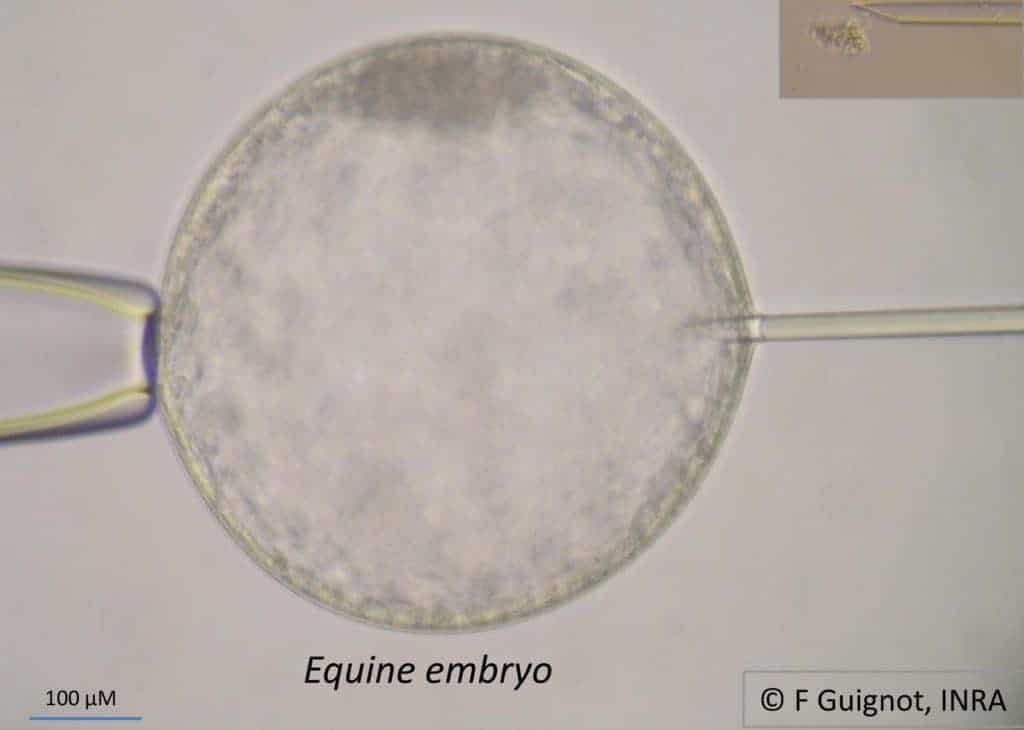
One embryo biopsy technique yields accurate results for sex determination without serious threat to survival.
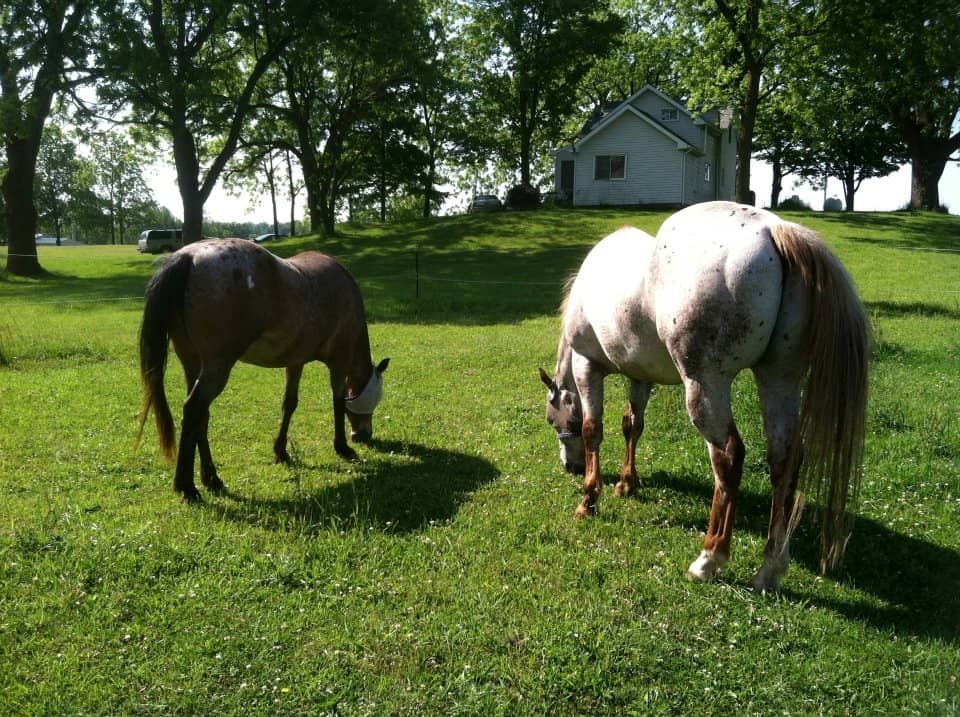
What makes a palomino golden or pintos splotched as if covered in paint? In this UK Lecture presentation, Dr. Kathy Graves shares the basics of equine coat color genetics and how base colors, dilute genes, and certain coat patterns are inherited.
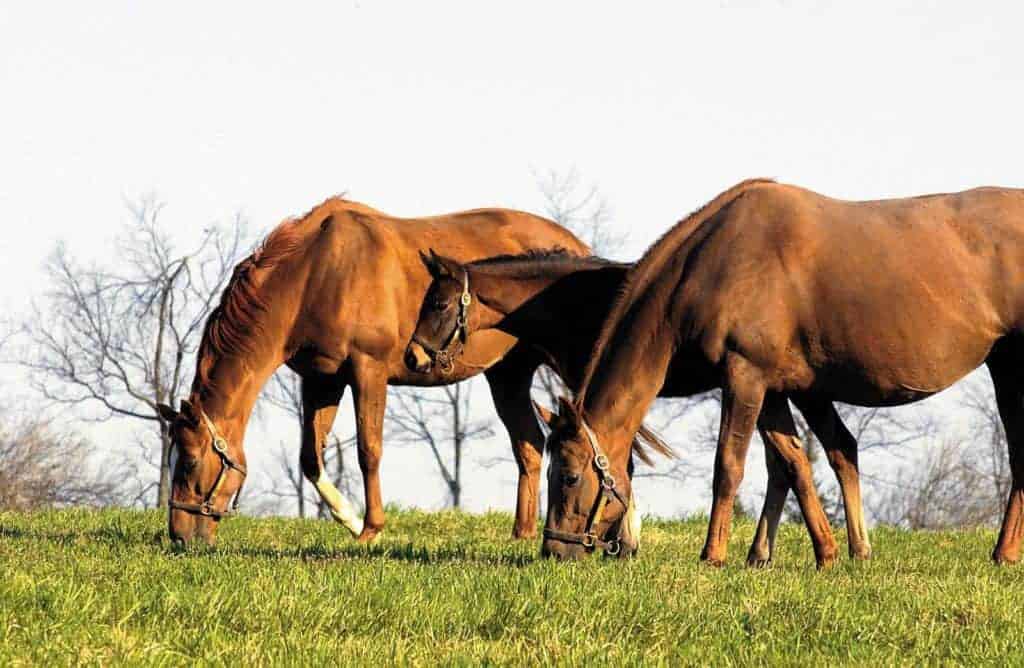
During the breeding and foaling season, lush fescue pastures could create problems for pregnant mares.
Lecture topics will include planning a mating, nutrition, foaling, farm and pasture management, and more.
Equine Guelph will offer a 12-week equine genetics course in the fall of 2013.
A combination of inclement weather and a suffering economy are creating tough times for English horse owners.
The BLM is studying the spaying of fertile wild mares in order to control wild horse population growth.