Getting a Read on Infection in Horses
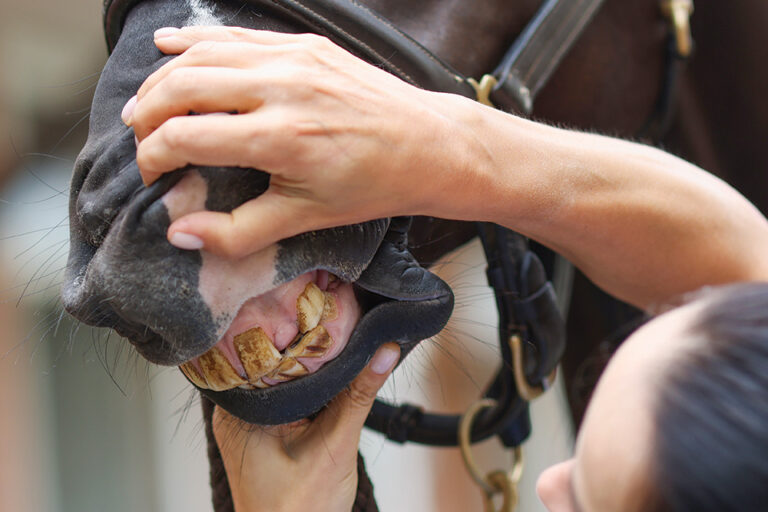
Vets are using serum amyloid A, a naturally produced protein, to detect equine infections and monitor treatment.

Vets are using serum amyloid A, a naturally produced protein, to detect equine infections and monitor treatment.

Scientists examined how the pairs’ spatial distance evolve between each other, as well as between other herd members.
Tweets and take-homes from Friday’s educational sessions on osteoarthritis, tendon injuries, strangles and more.

Weanlings require additional support and feeding adjustments as they grow. Here’s what to remember.
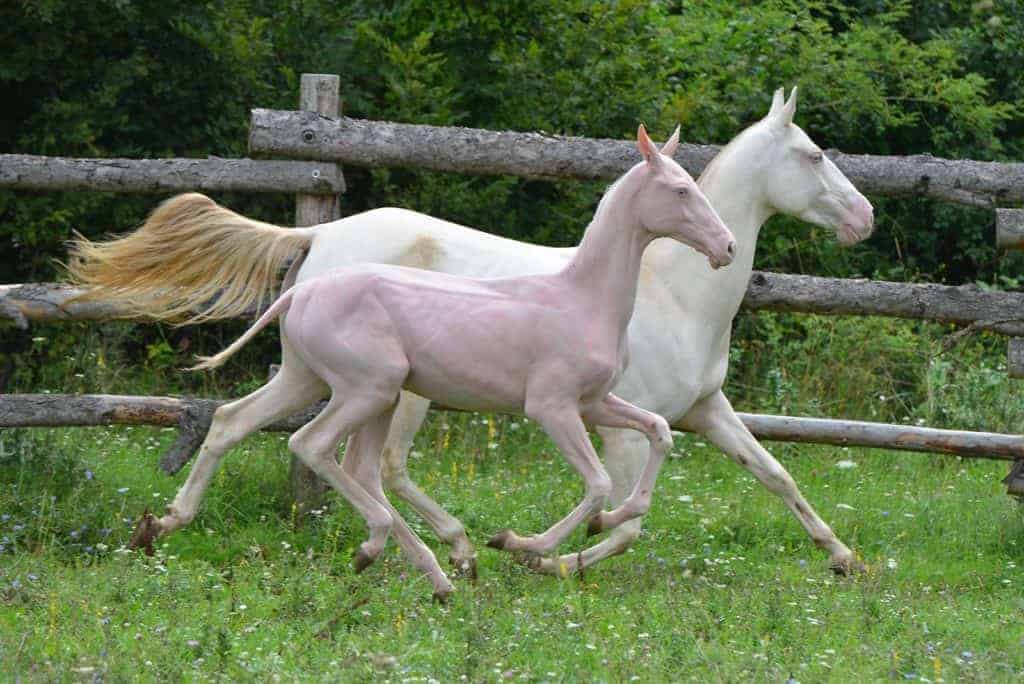
Researchers say naked foal syndrome is related to a nonsense gene variant and appears to be unique to Akhal-Tekes.

Foals’ size and fragility present veterinarians with unique diagnostic and treatment challenges in the face of colic.

Researchers are discovering how the vast and varied microbes in the horse’s gastrointestinal tract impact equine health.

There was no difference in birth weight, but placenta weight was lower and size was smaller in winter-foaling mares.
Genetic and genomic research could help veterinarians diagnose disease early and select more targeted treatments.

A dedicated team of professionals at UC Davis work around the clock to help newborns beat the odds.

More than 80 attendees and guests attended the IEOC’s annual symposium held June 1-3 in Saratoga Springs, New York.

Many cases of colic in foals can be corrected medically with the assistance of a veterinarian.

Foals are at the greatest risk for internal parasites. Dr. Kenton Morgan offers advice for protecting them.

Learn the most up-to-date information about when and how to deworm your horses.

Dr. Fernanda Cesar shares the most current research on R. equi, which causes pneumonia in foals.

Researchers are learning more about how microbes within the gut influence horse health.