What’s in an OIE Reference Laboratory?
There are 236 OIE reference laboratories covering 112 animal diseases, including equine-specific ailments.

There are 236 OIE reference laboratories covering 112 animal diseases, including equine-specific ailments.

Tests confirmed a horse from a Gladstone farm contracted the neurologic form of equine herpesvirus-1 (EHV-1).
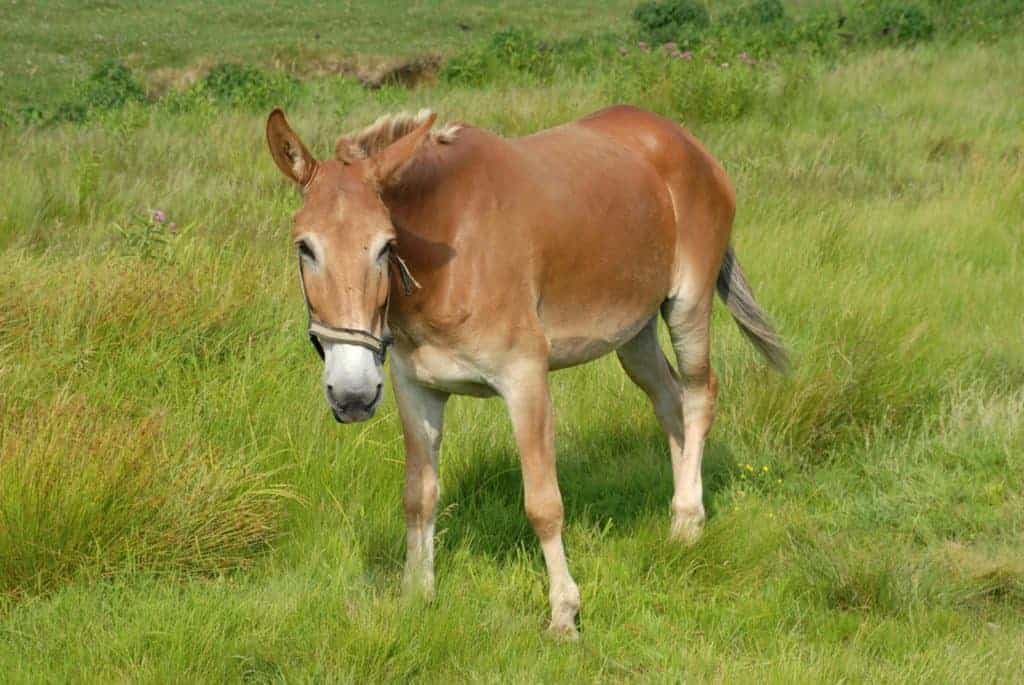
While equal percentages of horses and mules were exposed to EHV-1, no mules developed neurologic disease.

The EHV-1 quarantine has been lifted but Oaklawn Park is still not permitting Hawthorne horses on its grounds.
Diseases reported include contagious equine metritis, equine herpesvirus, piroplasmosis, and more.
Owners must provide health certificates to the La. State Veterinarian’s Office prior to the animal’s entry.
All horses entering Kentucky from Illinois must have an entry permit issued by the KDA.
The horse, who began showing neurologic signs of disease on Dec. 23, is recovering with veterinary care.
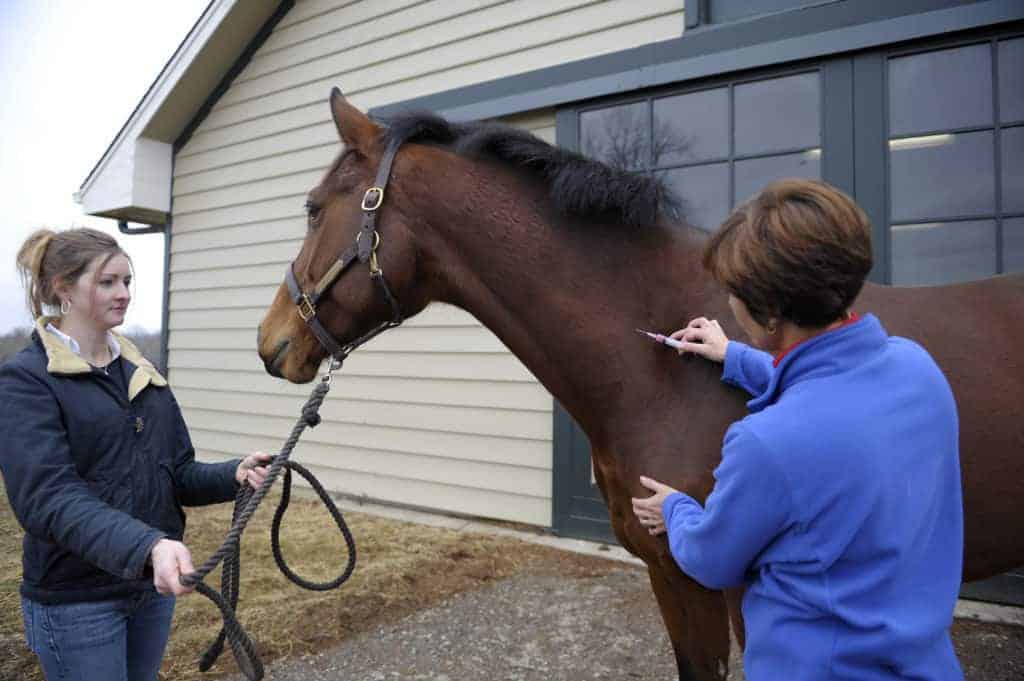
The discussion focused on four continuing problems: EHM, EPM, WNV, and other encephalitides.
The EHV-1 quarantine could be lifted around Jan. 10, track officials say.
Eighteen days have passed since the last EHV-1-related death at the racetrack.
The UM Large Animal Hospital has discharged the final patients and reopened to business as usual.
A Nov. 26 positive EHV-1 test extends the Hawthorne quarantine until at least Dec. 24.
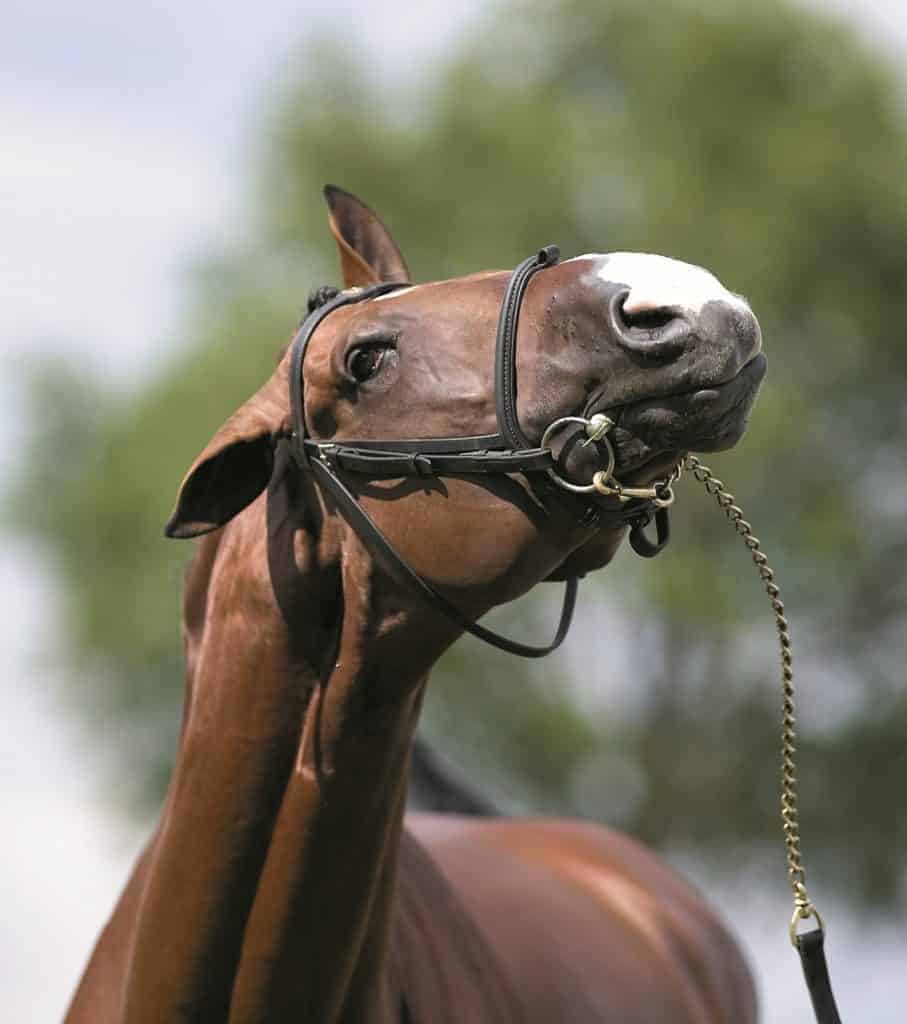
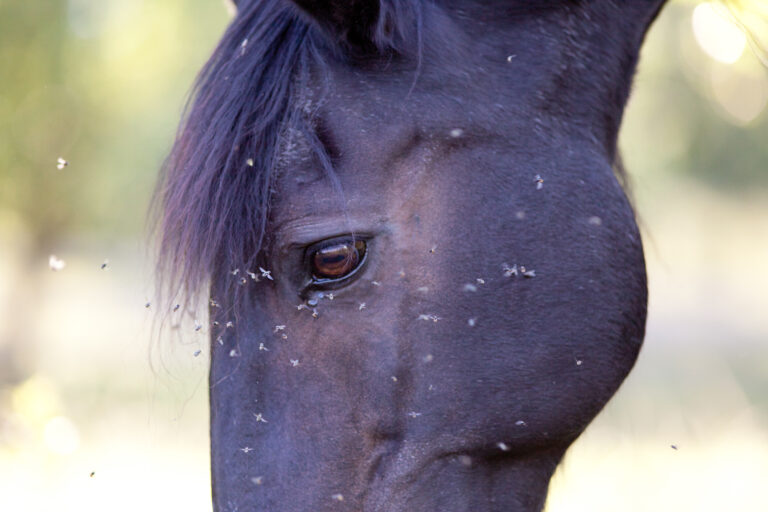
Researchers recently tested if idiopathic headshaking in horses could be similar to a condition in humans.
Two hospitalized horses have returned home after receiving treatment; a third continues to recover.
The outbreak appears to be contained, but shipping restrictions have made it challenging to fill races.