Infographic: Understanding Progesterone in Mares
Recognize the important role progesterone plays in breeding a mare and the resulting pregnancy. Sponsored by Sidekick Animal Health.

Recognize the important role progesterone plays in breeding a mare and the resulting pregnancy. Sponsored by Sidekick Animal Health.

Should broodmares be dewormed before giving birth? An equine reproduction specialist responds.

Learn about 5 complications veterinarians might encounter toward the end of a mare’s gestation.
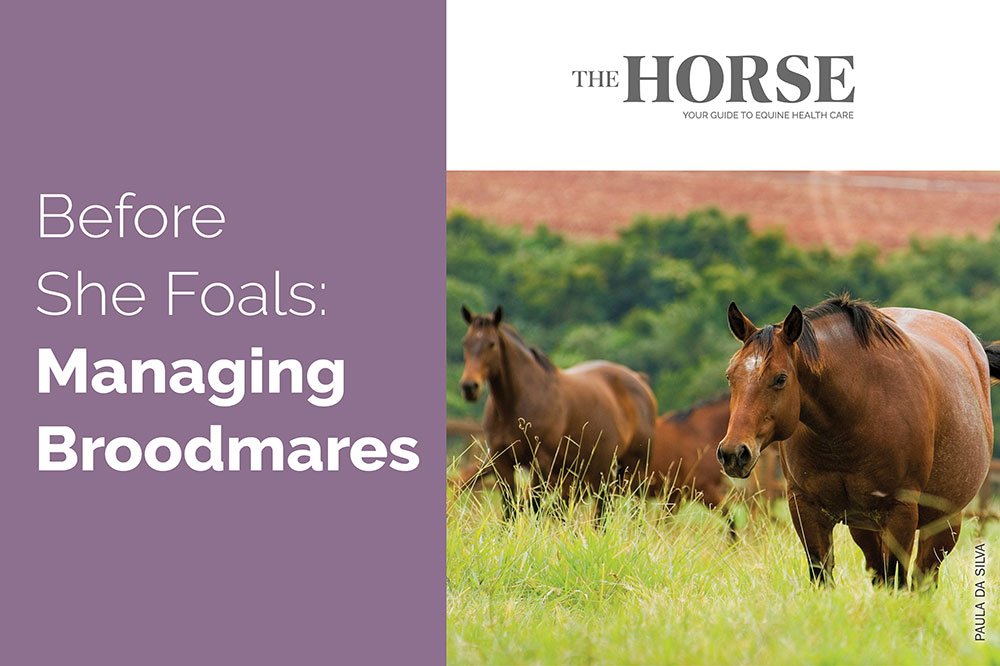
Equip your mare with the nutrition, vaccines, fitness, and foaling environment she needs to
promote a successful parturition and a healthy foal.
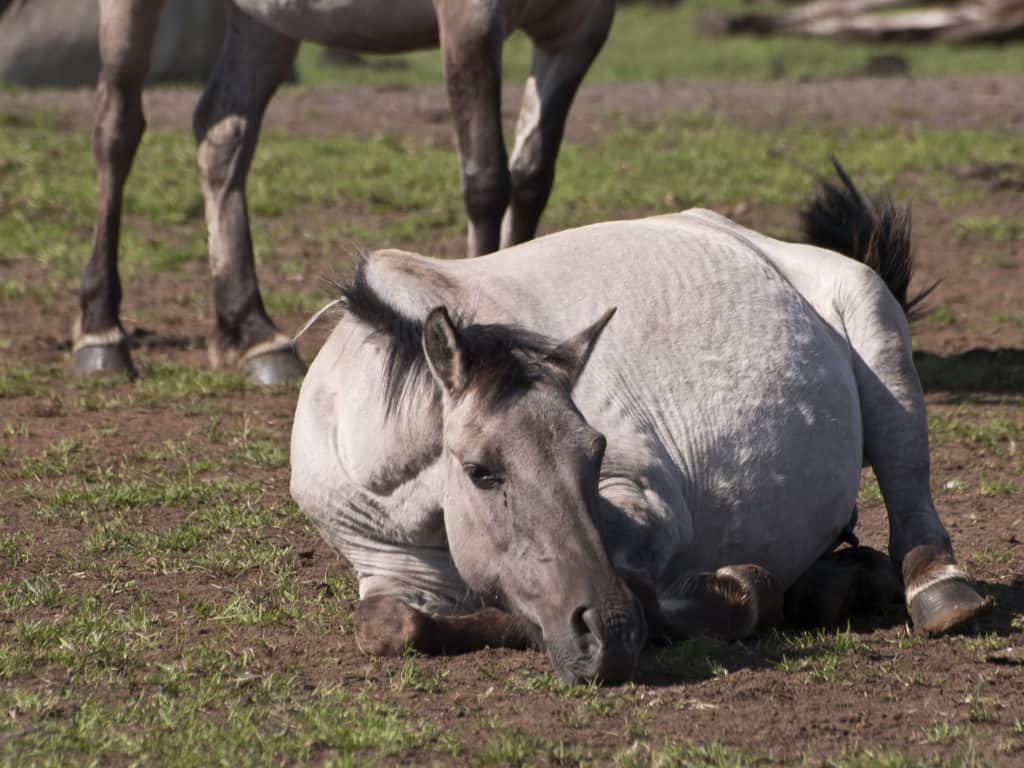
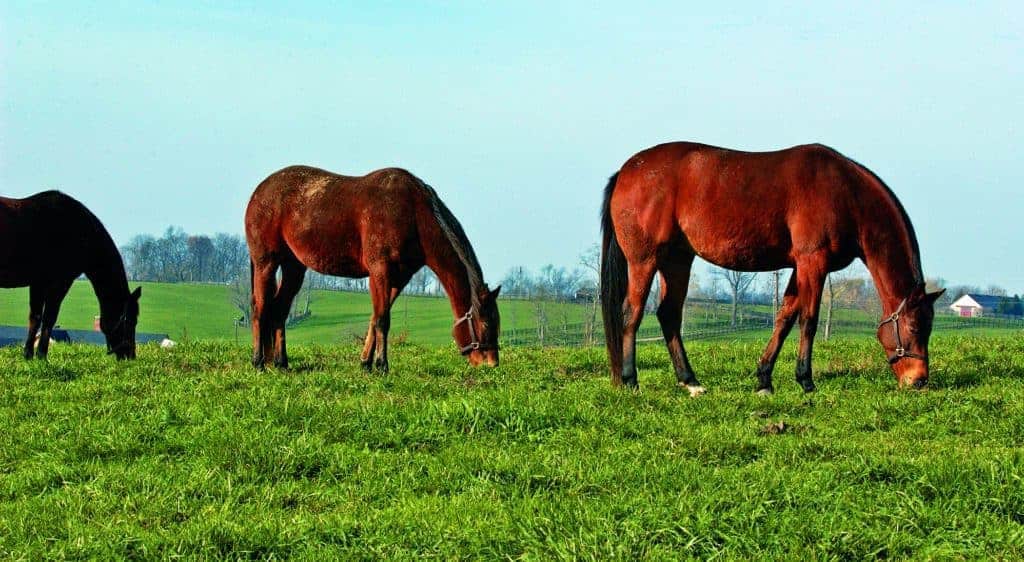
If your broodmare is overweight and/or has metabolic problems, her foal could be at risk. Here’s how you can keep both horses safe during pregnancy.

Are you thinking about breeding an older mare? There are steps—some simple, some cutting-edge—breeders can take to obtain foals from mares with waning fertility.

This poorly understood disease, also known as placental infarction, results in abortion in many cases.

Research shows platelet-rich plasma and stem cell therapy can help treat post-breeding inflammation in mares.

A pregnant mare should maintain a healthy weight to support both the fetus’ and her own calorie needs.

Both the stallion and mare must be in good health and fertility before you even attempt to produce a foal.
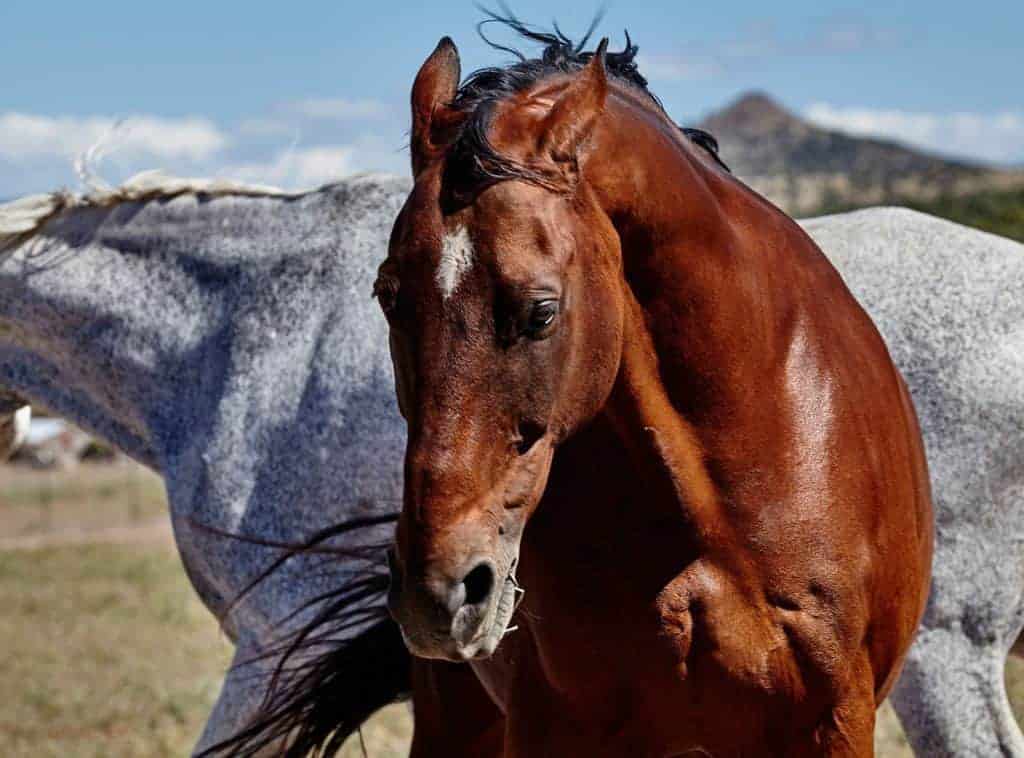
Find out if your mare’s frustrating antics are due to estrus, and learn about ways to keep them in check.

Ensure your decision to breed is the right one and that you’re prepared to handle the costs and commitments involved.

Keeping donor and recipient mares in moderate body condition might improve survival rates of transferred embryos.

Lara Tomich, DVM, Dipl. ACVD, says reducing pine in the affected horse’s immediate environment is key to preventing allergies.

Giving medications to pregnant mares is never without risk and should always be discussed with your veterinarian.