A recently published study has resulted in a significant step forward in understanding the physiology of equine pregnancy.

Dr. Ryan Ferris explains the purpose of using Caslick’s on certain mares and how they can improve mare fertility.

Veterinarians used fetal ECG to detect two fetal heartbeats simultaneously in a mare suspected of carrying twins at eight months of gestation.

Researchers successfully tested a drug- and hormone-free approach for suppressing estrus in mares they say is safe, easy, and doesn’t affect future fertility.

A recent study showed that controlled manual removal of retained fetal membranes in mares had a relatively low risk for both normal foaling and high-risk mares. But this technique isn’t without complications.
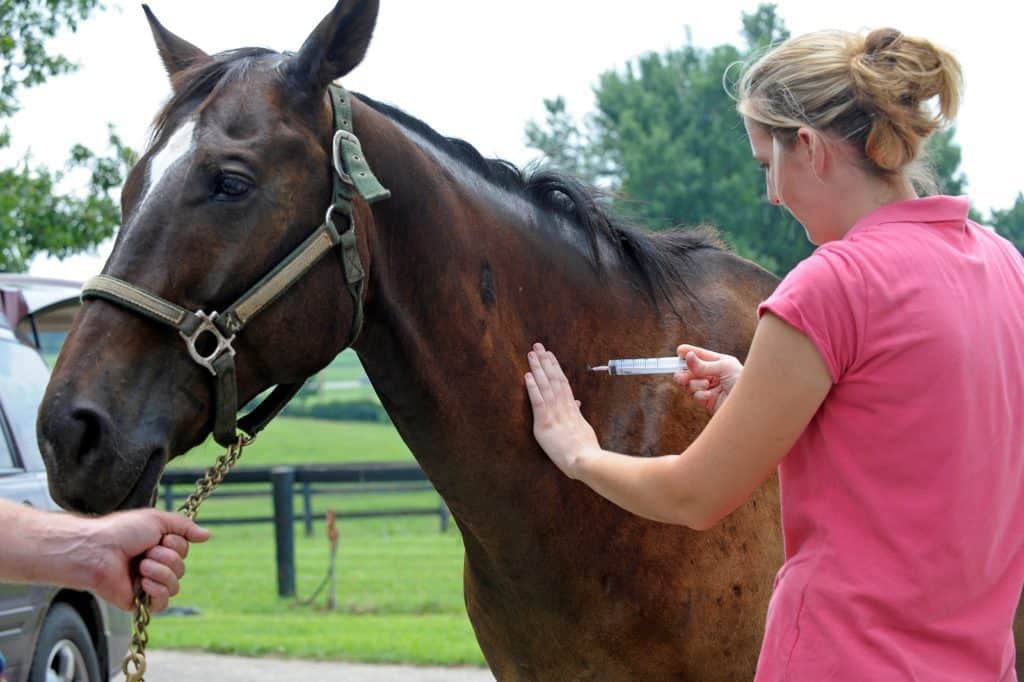
The main goals when treating metritis (inflammation of the uterine wall) in mares are to control bacterial growth, evacuate uterine contents, and prevent complications. Here’s how vets accomplish these goals.

Uterine tube obstruction, though rare, can cause subfertility in mares. While veterinarians have several methods for treating this issue, it’s been unclear how they affect a mare’s future fertility. So researchers recently conducted a study to find out.

The transitional period between anestrus and estrus is officially complete once a mare has had her first heat of the year. Getting some mares to this point, however, and deciding when to breed them can be tricky.

Dr. Regina Turner shares the results of studies on antimicrobial options for metritis, treating blocked oviducts, estrus lengths and pregnancy rates, colic surgery in broodmares, and more.
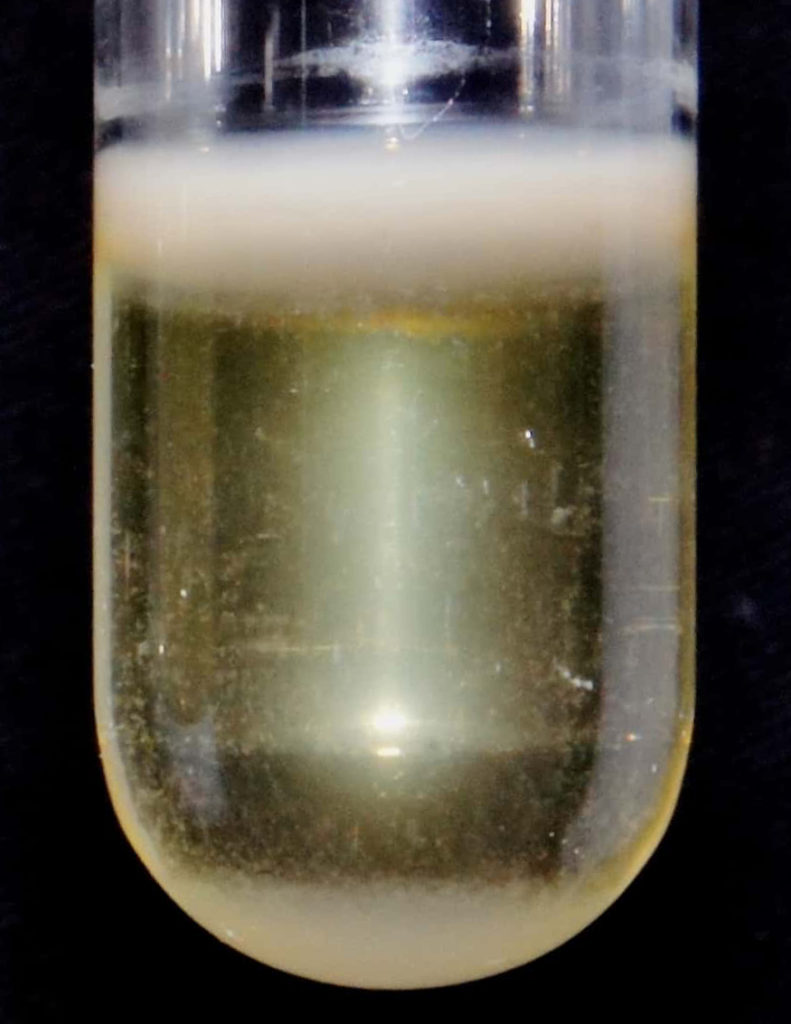
One veterinarian has confirmed that a combination of drugs can disrupt biofilms in mares with endometritis, potentially making the uterus a happier place for embryo attachment and pregnancy.

It’s critical that owners and breeding farms send aborted foals to a veterinary diagnostic laboratory, even if the cause of abortion appears obvious. Here’s why.

Learn about what vaccines a broodmare should receive during gestation and why vaccinating mares is important for their foals from equine repro expert Dr. Ryan Ferris.

Get your questions answered about breeding mares and stallions and producing top-quality, healthy foals during our live Q&A. We cover everything from selecting the right parents to gestational care to ensuring your foal’s safe delivery.

Is it safe to breed a mare who has equine metabolic syndrome and a history of laminitis? Reproduction expert Dr. Ryan Ferris offers insight.

Equine reproduction specialist Dr. Ryan Ferris explains basics new horse breeders need to know, including mare estrus cycles and selecting fresh vs. frozen semen.