Agents of Abortion: Why Pregnant Mares Abort
The first step toward preventing pregnancy loss in horses is understanding why it happens in the first place.

The first step toward preventing pregnancy loss in horses is understanding why it happens in the first place.
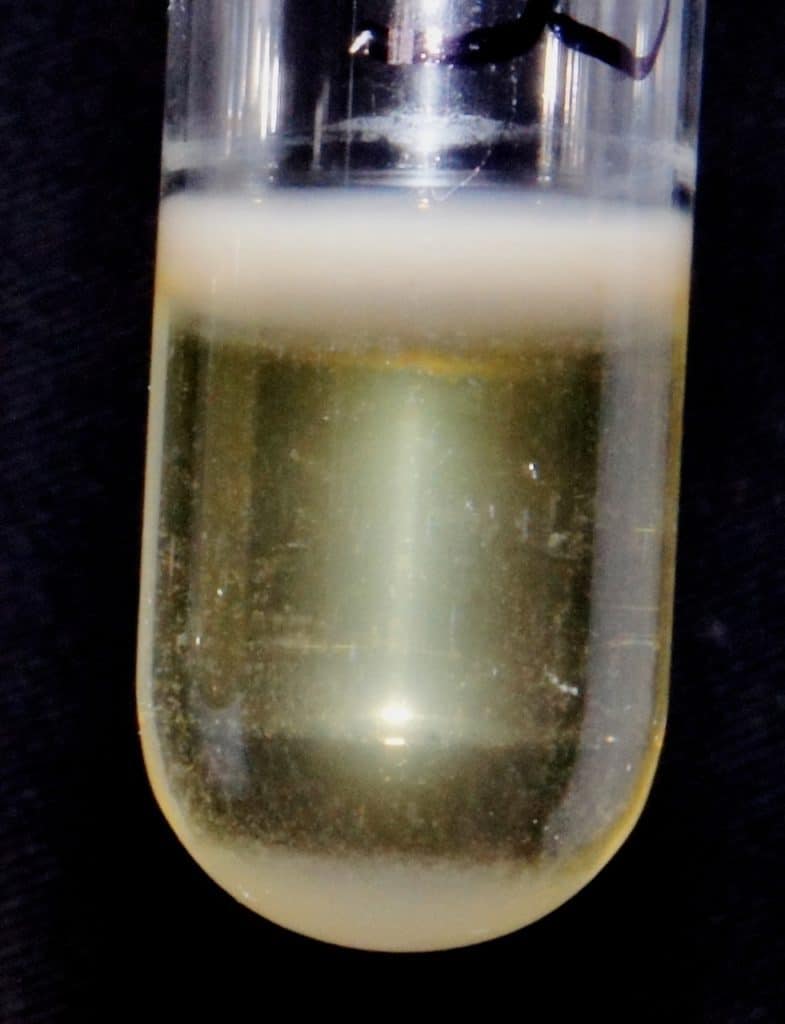
Bacterial endometritis that is refractory to traditional antimicrobial treatment is a significant challenge to the equine breeding industry. Fortunately, several therapeutic options are currently available to clinicians for the treatment of biofilm-associated endometritis in horses.

In this two-part presentation from the University of Kentucky, learn about “Research Into Managing Horses and Cattle on Fescue Pastures” from Dr. Jamie Mathews and “Grazing Mares on Novel Endophyte Fescue” from Dr. Karen McDowell.

The University of Kentucky Ag Equine Programs will host its 8th Annual UK Equine Showcase in conjunction with an Equine Vet Continuing Education session (formerly known as the Kentucky Breeders’ Short Course) Jan. 25-26, 2019.

Researchers tested a sulfadiazine and trimethoprim suspension specifically designed for oral administration with positive results.

Researchers know that feeding horses ground endophyte-infected tall fescue results in palmar artery vasoconstriction, so scientists tested whether broodmares could experience decreased blood flow to the uterus, which could negatively impact their foals.

Dini hopes his current research projects will help improve the understanding of equine placental development.

Mares receiving the synthetic hormone reFSH went from anestrus (not cycling) to ready to breed within about a week, researchers found in a recent study.
Learn about equine oviduct anatomy and function and the role oviduct pathology on fertility from of Maria R. Schnobrich, VMD, Dipl. ACT, of Rood & Riddle Equine Hospital’s LeBlanc Reproduction Center.

Researchers have learned that foals and dams appear to prefer looking at each other with their left eyes and keeping each other in their left field of vision in most situations.

A mare’s attraction to a stallion—specifically, to his body odors, or “MHC”—affects pregnancy success rates. And, researchers found, mares appear to prefer stallions with MHCs that differ from their own.

Carleigh Fedorka, PhD, a postdoctoral scholar at the University of Kentucky Gluck Equine Research Center, started the campaign to fund her study “Hormone therapy: Suppressing your mare’s estrous, or suppressing her immune system?”

When veterinarians detected pregnancy loss in horses early enough for mares to be rebred, 57.3% delivered a live foal the following spring. Of those, mares 3 to 8 years old had a 73% live-foaling rate.

Horse owners might want to have their mares’ ovaries surgically removed for a variety of reasons, including to prevent pregnancy, get rid of tumors, or, most commonly, resolve behavioral issues.

Post-foaling colic is a significant threat for mares. Dr. Anthony Blikslager describes what to look for and how to respond if your mare colics following foaling.

If surgery requiring general anesthesia must be performed on pregnant mares, the safest time window is Days 40-220 of gestation, researchers concluded.