New Deslorelin Formula Improves Pregnancy Rates (AAEP 2011)
A 1.8-mg dose of the deslorelin acetate formulation was safe and effective in inducing ovulation in mares.

A 1.8-mg dose of the deslorelin acetate formulation was safe and effective in inducing ovulation in mares.

Veteran broodmares are at risk of placentitis, partly due to anatomic changes from previous foalings.
In 2011 more than 325 confirmed cases were submitted for evaluation–the largest number on record.
This must be broached delicately so it is reversible and doesn’t impart any detrimental effects on fertility.
Topics discussed included induction of ovulation, estrus behavior, and suppression in the performance horse.
TheHorse.com’s webinar on late-term mare and foal care is now available for viewing on demand.
As Kentucky progresses through a near-record rainfall year, the UKVDL has observed leptospirosis abortions.
Topics covered in the webinar will include late-term mare care, foaling, and newborn/young foal care.
Learn about endometritis, what causes it, and what veterinarians can do to treat the condition.
Sydney Hughes research has been on athletic performance of Thoroughbred foals born to mares with placentitis
In some mares chronic uterine inflammation is a persistent problem that can interfere with pregnancy.
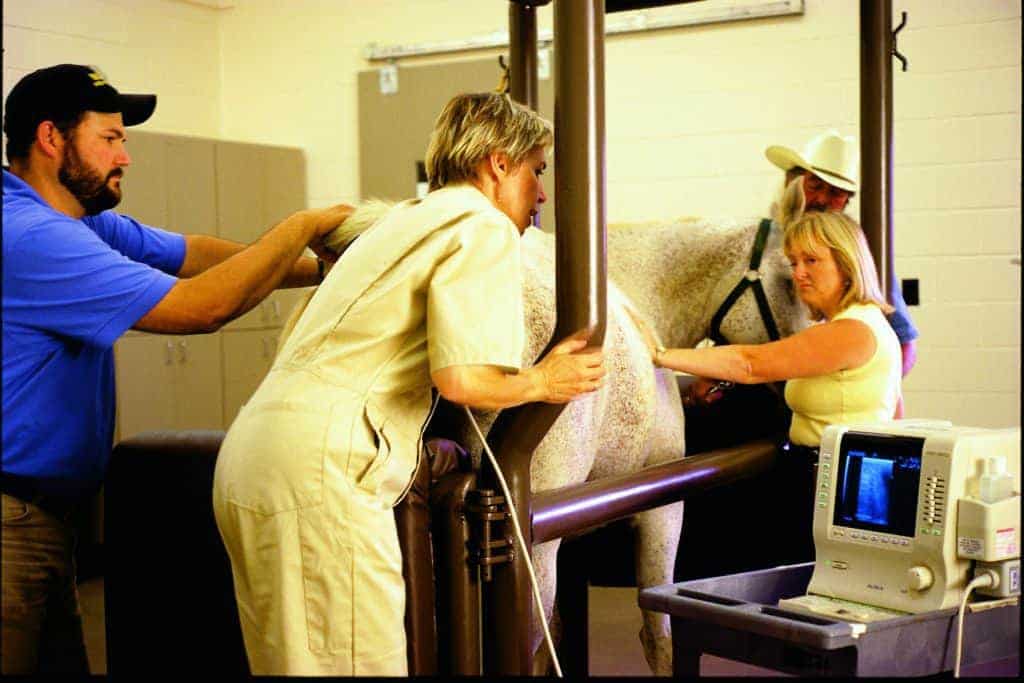
Christine Aurich, DVM, PhD, Dipl. ECAR, composed a comprehensive report about mares’ reproductive cycles.
The New Bolton Center presents “Managing the High-Risk Pregnancy: Broodmares in the Third Trimester” Nov. 1.
The UKVDL reported an increased number of abortions and abnormal placentas due to nocardioform placentitis.
Researchers recently set out to examine how pregnancy impacts insulin sensitivity and glucose levels.

Peripartum colic is a common but sometimes life-threatening complication often seen in broodmares.