Overcoming Three Embryo Transfer Obstacles
A reproductive specialist describes techniques to help clinicians overcome common challenges in embryo recovery and recipient mare management.

A reproductive specialist describes techniques to help clinicians overcome common challenges in embryo recovery and recipient mare management.

Vets should perform a careful assessment of a mare’s hormonal status to determine whether there’s a definitive, repeatable relationship between it and her undesirable behavior.

Nocardioform placentitis affects late-gestation mares, causing abortion, stillbirth, or foals born alive but compromised.
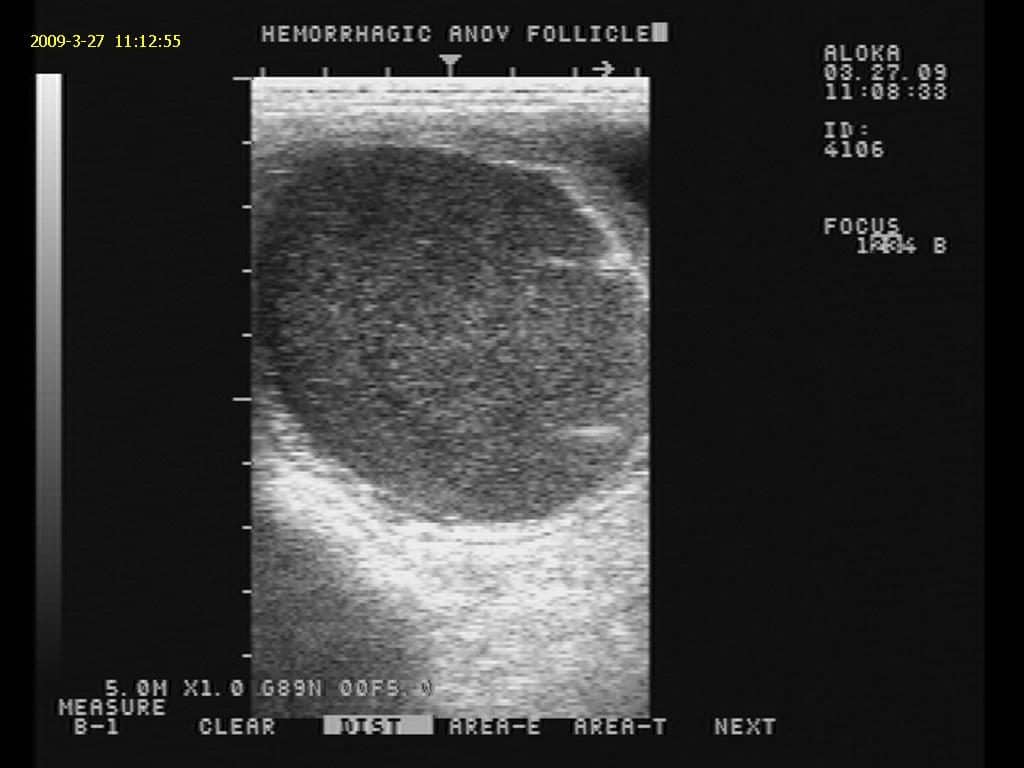
Knowing which ovarian abnormalities are benign and which are pathogenic can help vets manage mare successfully.

This can pose a problem for mare owners working with a limited breeding window due to the short lifespan of the mare’s oocyte and the stallion’s sperm.

Dr. Regina Turner recaps research on endometritis, factors affecting pregnancy rates, treating placentitis, and more.

Listen to audio features on equine learning, behavior, dentistry, metabolic syndrome, parasites, and more.

Among other results, scientists found that foals born to light-therapy mares were more mature at birth and grew faster.

Study results revealed promising pregnancy rates with embryos that weren’t frozen in a laboratory but in a barn.

Researchers can now detect more than 90% of the chromosomal abnormalities in horses, including sex reversal syndrome.
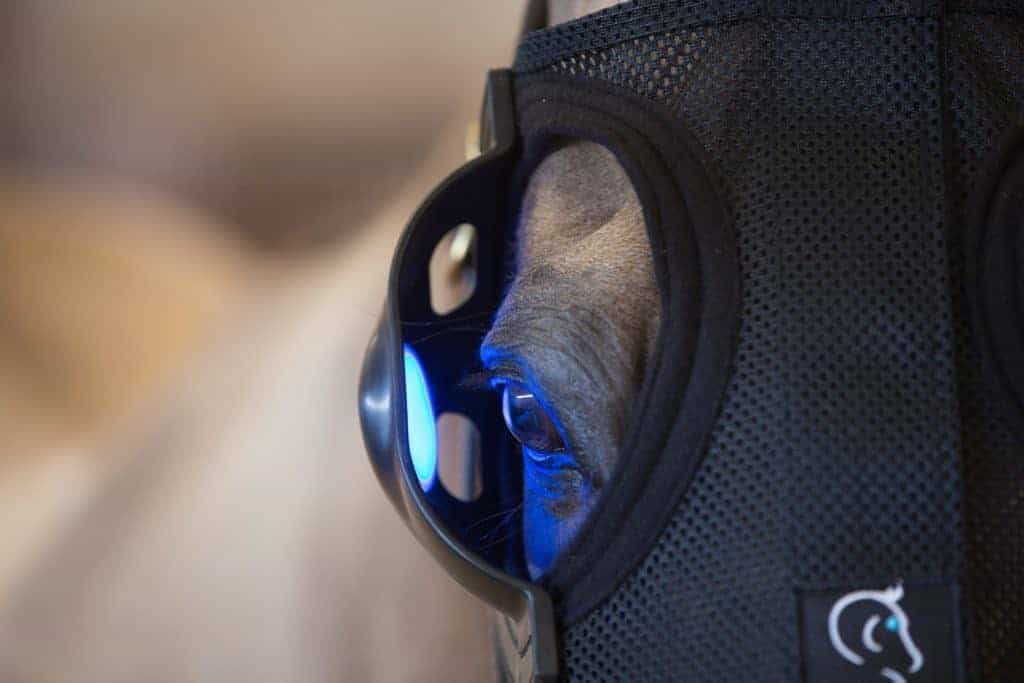
An equine reproduction specialist shares tips for breeders to help them make the most of the latest research.

The event will take place Sept. 9 at Hoosier Park Racing and Casino in Anderson, Indiana.

Hormone concentrations can help diagnose reproductive problems, determine pregnancy status, and more.
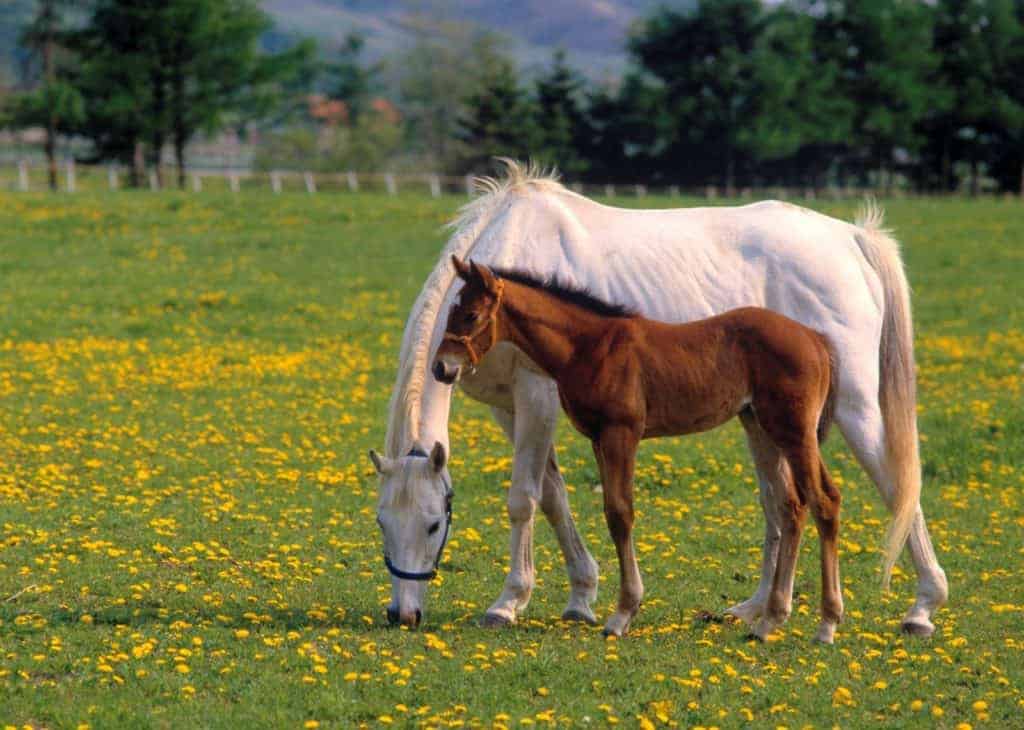
Researchers found that over- and underfeeding can affect foals’ bone growth, metabolism, and testicular development.
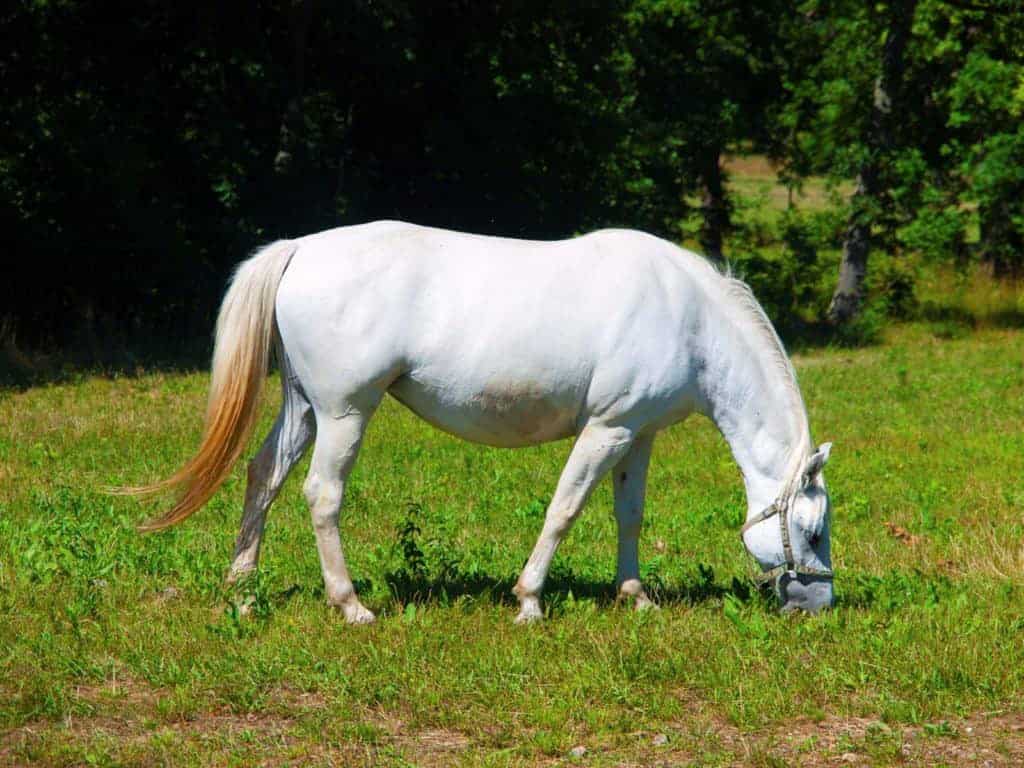
Researchers found that obesity appears to negatively impact mares’ follicles and oocytes and, thus, their fertility.

One veterinarian describes how to use endometrial culture, cytology, and biopsy to evaluate subbertile mares.