Record Medication Use During Equine Gestation
Keeping a precise medical record for pregnant mares could help researchers better understand fetal malformations.

Keeping a precise medical record for pregnant mares could help researchers better understand fetal malformations.

Dr. Josie Traub-Dargatz shares lessons learned from equine disease outbreaks and tactics for avoiding infection spread.

From 1995 to 2014, the OIE received reports of 54 disease events associated with international horse movement.
Confirmed diseases include influenza, EHV, strangles, nocardioform placentitis, piroplasmosis, EIA, and more.
Genetic and genomic research could help veterinarians diagnose disease early and select more targeted treatments.

Unwanted behavior can have a significant impact on mares’ and fillies’ performance across a range of competition events.

The horse resided at a small private barn and, at this time, it appears that only a few horses could have been exposed.

Vaccination and biosecurity can help keep your horse healthy when you take him off the farm.

Causes of collapse in apparently healthy horses range from sleep deprivation and pain to muscle disorders and pregnancy.
Hormone concentrations can help diagnose reproductive problems, determine pregnancy status, and more.
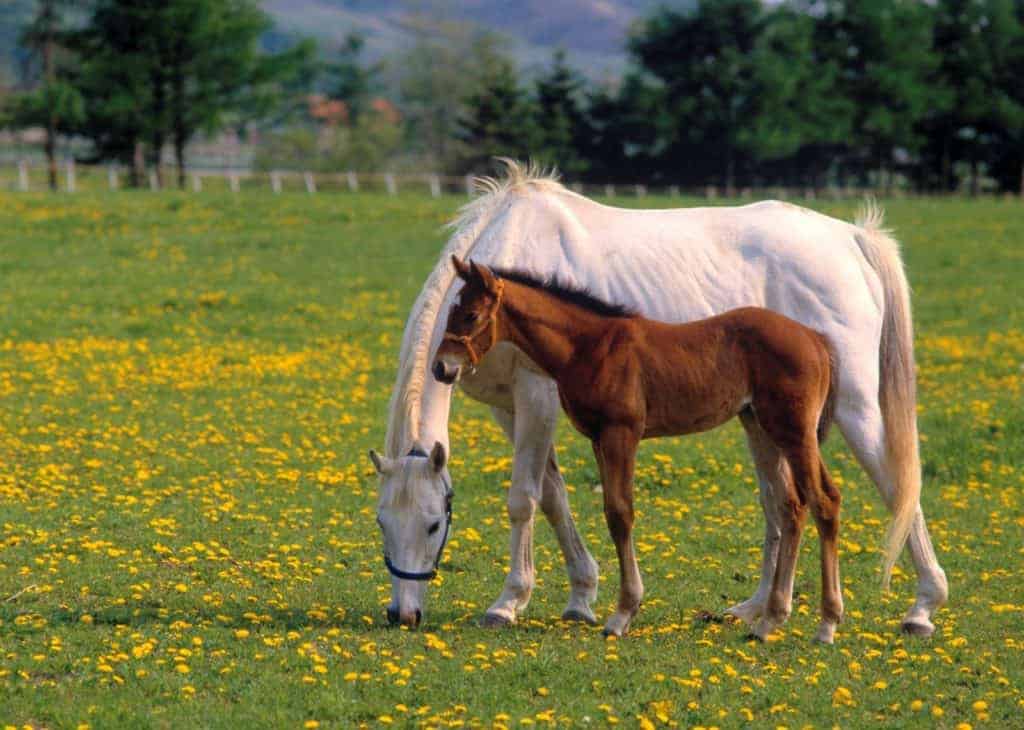
Researchers found that over- and underfeeding can affect foals’ bone growth, metabolism, and testicular development.
The state Department of Agriculture is working with the equine industry and veterinarians to contain the diseases.
No additional EHM cases have been identified since the removal of the positive horse on April 21.
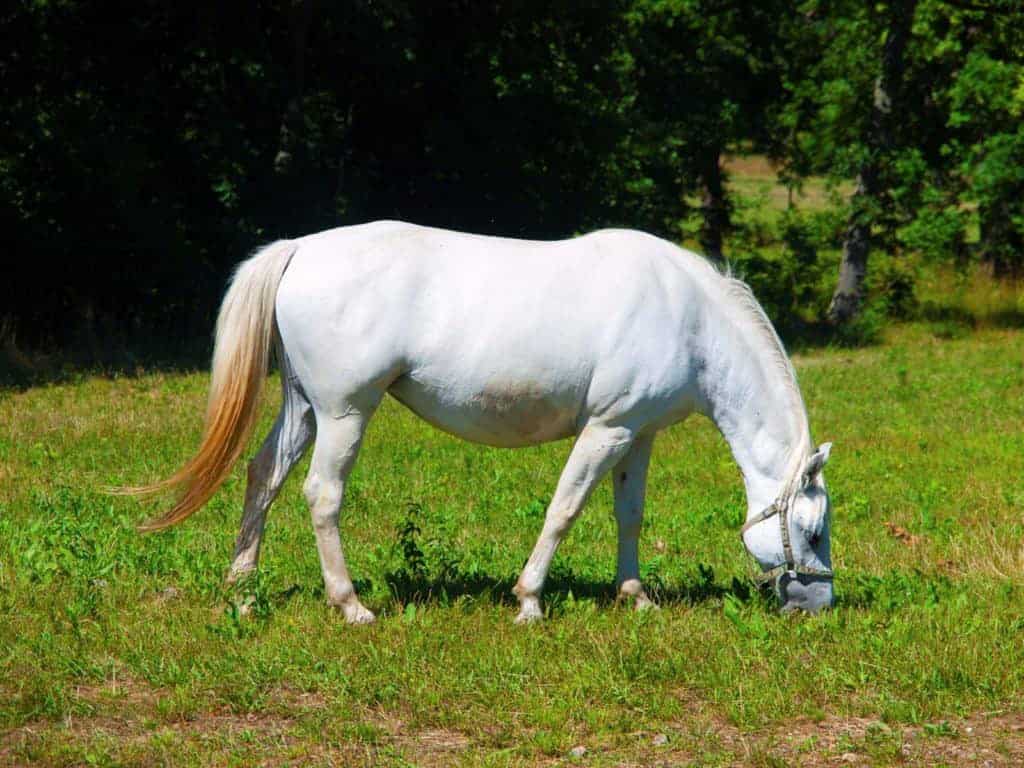
Researchers found that obesity appears to negatively impact mares’ follicles and oocytes and, thus, their fertility.

The 15-year-old Warmblood mare was euthanized after developing severe neurologic signs.

Oladunni is studying how equine herpesvirus-1 suppresses a host’s innate immune response.