Ocala EHV-1: Most Quarantines Released
The majority of the quarantines connected to an EHV-1 outbreak originating in Ocala, Fla., have been lifted.

The majority of the quarantines connected to an EHV-1 outbreak originating in Ocala, Fla., have been lifted.

Researchers are continually making advancements to improve equine artificial insemination.

One researcher describes how practitioners can monitor pregnant mares to minimize reproductive losses.
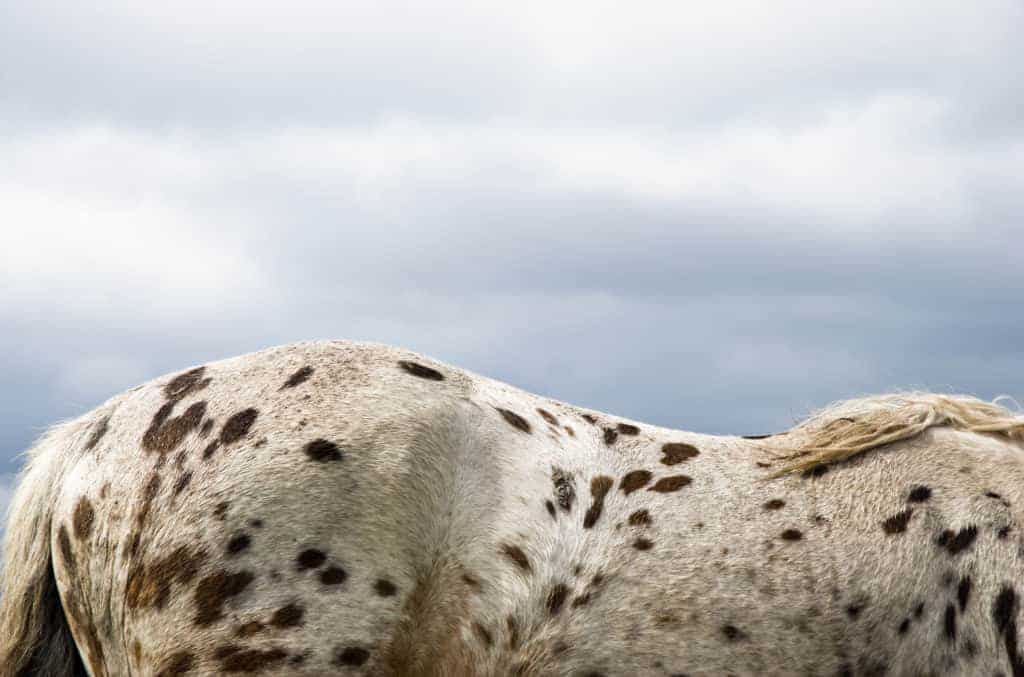
What’s behind a horse’s coat color? The answer lies in coat color genetics.
A Warmblood stallion has been released from quarantine after two negative EHV-1 tests.

A 22-year-old Warren County horse was diagnosed with the neurologic form of equine herpesvirus-1 (EHV-1).

One researcher says there are five major problems to consider during the final month of a mare’s pregnancy.
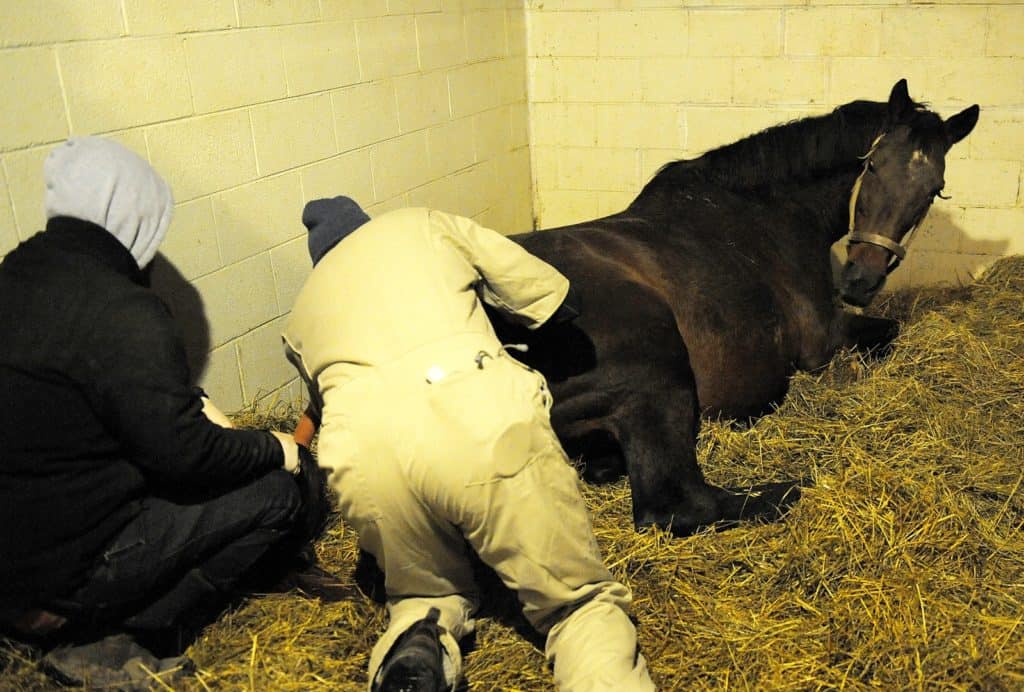
Reproductive specialist Dr. Pat McCue of Colorado State University describes instances when a mare needs help during labor.
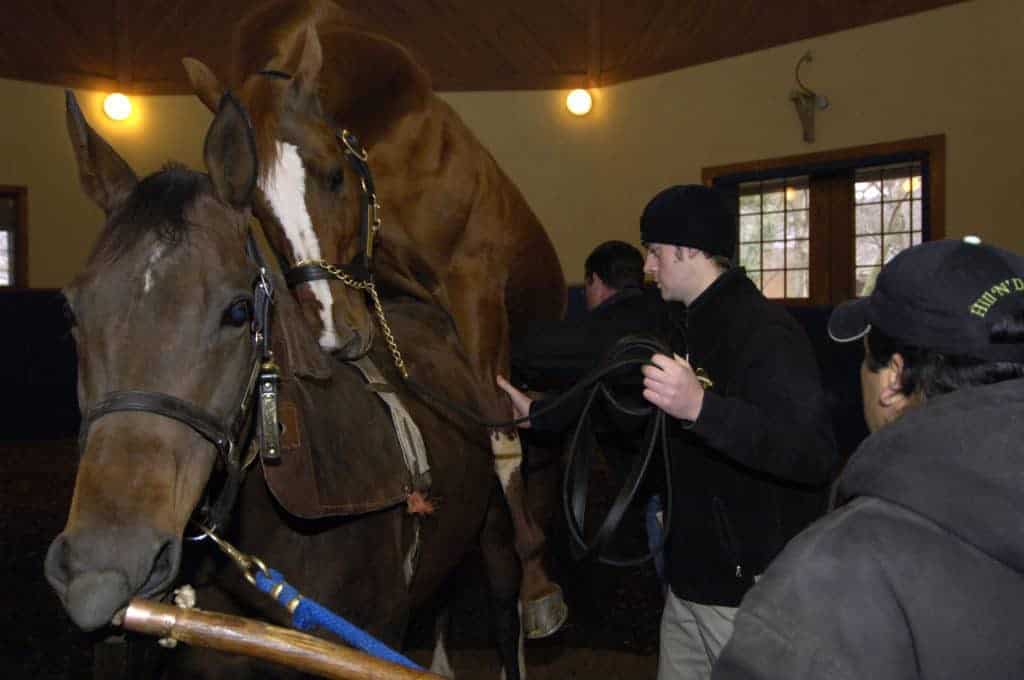
Researchers evaluated the impact of postpartum breeding date on pregnancy, pregnancy loss, and foaling rates.
The AHC and the AAEP issued an open letter to the horse industry regarding U.S. equine disease outbreaks.

The University of Kentucky Gluck Equine Research Foundation published its 2012 Research Report in March.

In this University of Kentucky Diagnostic Lecture Series presentation, reproductive specialist Dr. Barry A. Ball shares news diagnostic approaches for identifying placentitis in mares.

Veterinary experts are managing the EHV-1 outbreak at the site of England’s Badminton Horse Trials.

A Santa Barbara County, Calif., gelding has tested positive for non-neuropathogenic EHV-1.

A 6-year-old mare in Gallatin County, Mont., has tested positive for equine herpesvirus-1 (EHV-1)

A horse in Flathead County developed neurologic clinical signs after attending a local event.