Caring for Pregnant Mares and Foals
Knowing what to expect and when to call your veterinarian during pregnancy and foaling will help reduce the risk of complications.

Knowing what to expect and when to call your veterinarian during pregnancy and foaling will help reduce the risk of complications.

Researchers say that even three weeks after weaning foals still experience increased stress levels.

The goal of this project is to develop a vaccine that will cross-protect horses against multiple types of equine herpesvirus.
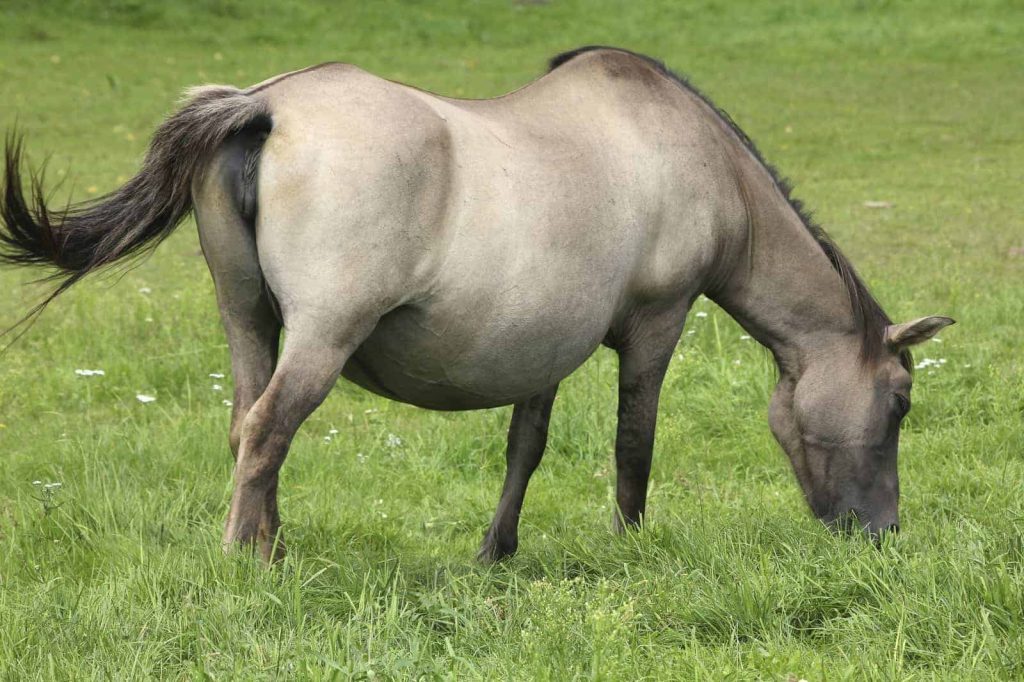
With proper care, mares with high-risk pregnancies can deliver healthy foals safely.

Regular, strategic vaccination is a safe, effective method to greatly minimize the chances of deadly diseases impacting your herd.

This poorly understood disease, also known as placental infarction, results in abortion in many cases.

Research shows platelet-rich plasma and stem cell therapy can help treat post-breeding inflammation in mares.

One theriogenologist describes equine reproductive development and how to diagnose horses with unexpected genitalia.

Proper nutrition is vital for your foal’s health and can ensure he reaches his genetic potential.

One veterinarian calls for cultures, cytology, and antibiotics when indicated.

Researchers assess ways to give stallions deemed “bad coolers” a fertility boost.

A pregnant mare should maintain a healthy weight to support both the fetus’ and her own calorie needs.
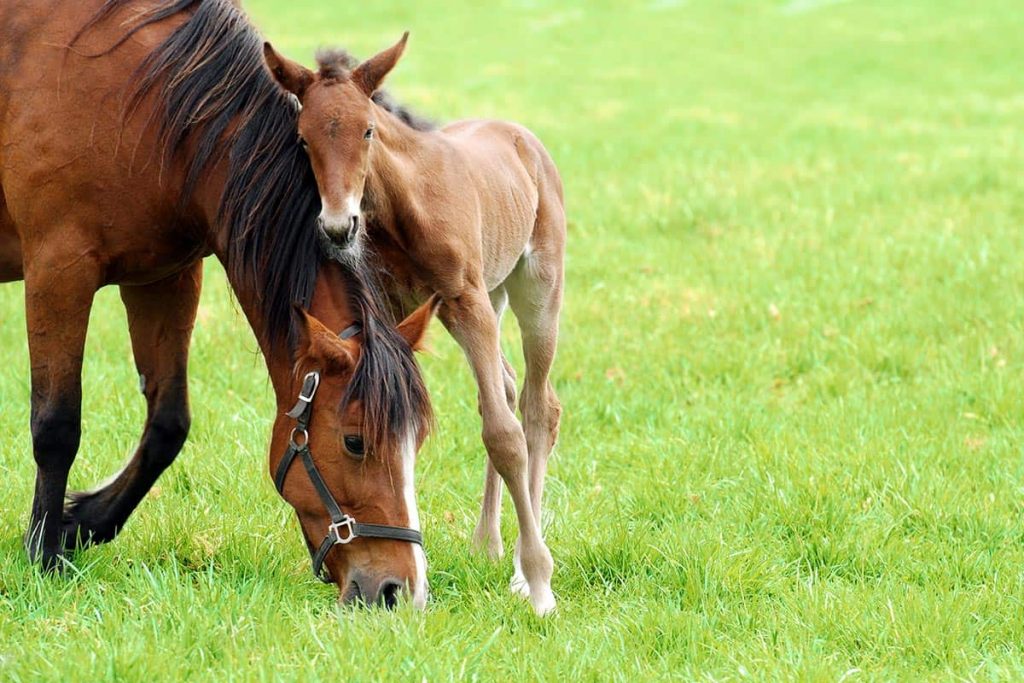
Understanding potential problems during your mare’s pregnancy and after the foal’s birth could be the best way to protect them.

Although uncommon in North American horses, monitor pregnant mares to avoid abortion and stillbirth due to toxicant exposure.

Consider growth rate and nutrient balance when deciding what to feed young horses.
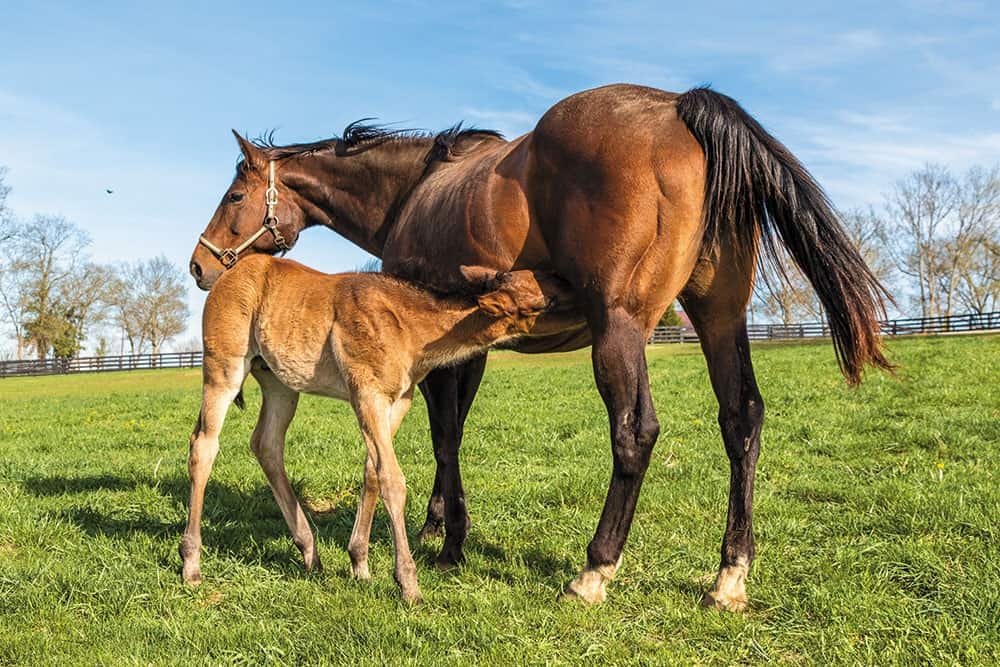
Best practices whether milking a mare by hand, using a commercial device, or rigging a milker out of a syringe.