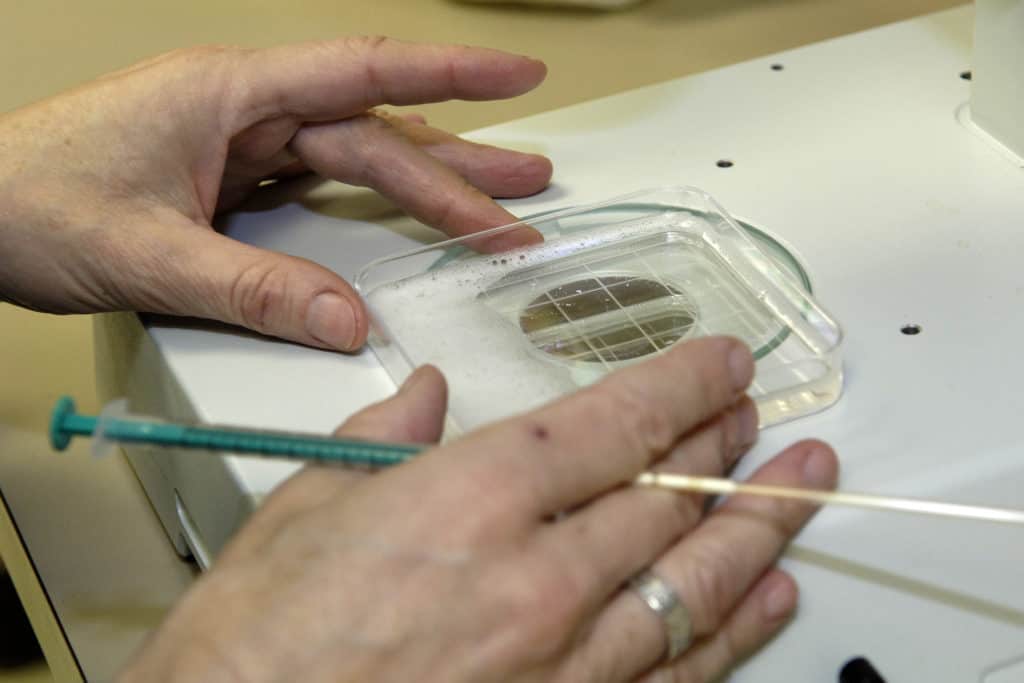
New Procedure Could Impact Heritability of Genetic Diseases
Dr. Mats Troedsson of the University of Kentucky discusses a new procedure that could impact the heritability of genetic diseases. (4:17)

Dr. Mats Troedsson of the University of Kentucky discusses a new procedure that could impact the heritability of genetic diseases. (4:17)
The world’s first foal from a biopsied and vitrified embryo transferred into a surrogate mare was born Jan. 27, 2010, at Minitube International Center for Biotechnology in Mount Horeb, Wisc. The procedure used to create the filly provides ho
Osteoarthritis of the distal (lower) hock joints is a common performance problem in sport horses.

Dr. Ed Squires discusses prepping stallions for the breeding season.
The time to pull out the thermometer and stethoscope to check your horse’s temperature, pulse (heart rate), and respiration (TPR) for the first time is not when he’s looking a little puny and you and the veterinarian are on the phone trying to decide whether it’s an emergency. Instead, these baseline measurements should be part of a horse’s routine care.

Dr. Stephen O’Grady addresses a reader’s question about a foal with a recently developed club foot.
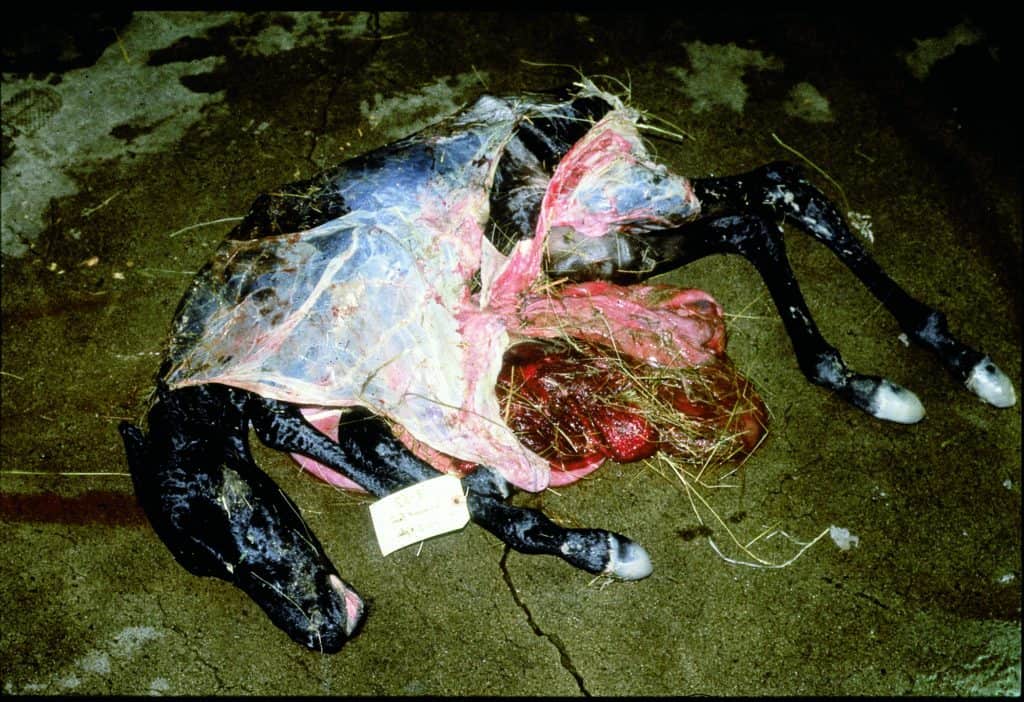
Newborn foals can be susceptible to many viral and bacterial infections. One example is the unique susceptibility of young foals to Rhodococcus equi, a common cause of bronchopneumonia.

Dr. Ed Squires explains the use of lights to bring mares into season.

Dr. Kim Abernathy of the Kentucky Lake Equine Hospital talks about C-sections in mares.
Knowing how a normal foal should behave and when to call the veterinarian can go a long way toward avoiding a trip to an equine neonatal intensive care unit.
Placentitis, which often is caused by an ascending infection that enters the mare’s uterus through the cervix, is the single most important cause of premature delivery of a foal.
It’s generally known that a mare gains weight during gestation, but University of Kentucky (UK) researchers are studying how much weight a normal mare should gain for the health of the fetus.

Before your stallion heads to the shed, make sure he’s in peak physical health and mentally prepared to handle the rigors of the breeding season.
Four researchers from the University of Kentucky (UK) Maxwell H. Gluck Equine Research Center and a faculty member in UK’s Department of Computer Science were among 58 co-authors of a research article published Nov. 6 in Science that reported the first complete sequencing and assembly of the horse genome.
Professors Jim Mickelson, PhD, and Stephanie Valberg, DVM, PhD, of the University of Minnesota College of Veterinary Medicine are among the authors of “Genome Sequence, Comparative Analysis, and Population Genetics of the Domestic Horse,” to be published in the Nov. 6 issue of the journal Science.