First Steps for Foal Handling
Discussion of the many ways to teach young horses/foals to submit to humans; from imprinting to halter training, tying, grooming, and much more.

Discussion of the many ways to teach young horses/foals to submit to humans; from imprinting to halter training, tying, grooming, and much more.
Questions: What is the best age to wean a foal? Is it a good/bad practice to take the afterbirth away from the mare right away so the veterinarian can check it? In the covering barn, why does the foal always get upset when the stallion…?
In 2009 the AAEP Foundation conducted a survey to assess the thoughts and opinions of the membership in defining and prioritizing the needs for equine health research. This followed an initial survey in 2003 to establish needs for equine research…
Researchers and graduate students from the University of Kentucky’s (UK) Gluck Equine Research Center attended the annual Plant and Animal Genome Conference (PAG), held Jan. 9 through 13 in San Diego, Calif., to share equine genomic researc
What was the hottest news in equine veterinary medicine in 2009? During the popular Kester News Hour session at the annual American Association of Equine Practitioners (AAEP) Convention, three top veterinarians (who focus on equine reproduction
Fetal heart rate monitoring can help veterinarians easily and reliably assess the health of the unborn foal.
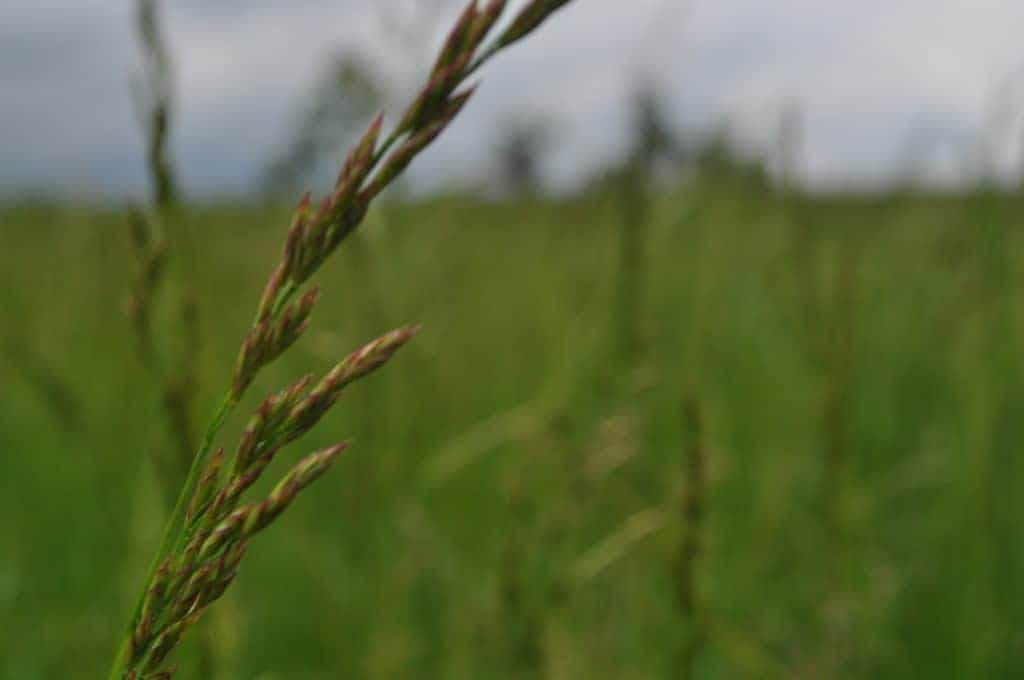
Broodmare farm operators in the southeastern United States are interested in managing tall fescue toxicity because of the pregnancy complications it can cause.
Irish researchers have found that horses with a specific mutation in the gene called myostatin (MSTN) have improved athletic performance.
“A variety of mammalian species with specific MSTN variants have characteris

Dr. Karen Wolfsdorf of Hagyard Equine Medical Institute shows horse owners how to examine a placenta, a crucial step in managing foaling mares.
Anytime veterinarians talk about breeding the problem mare, it always develops into a lively, animated discussion. The Table Topic on Breeding the Problem Mare was no different at the 2009 American Association of Equine Practitioners (AAEP) Con
Treatment with equine follicle-stimulating hormone (eFSH) does not increase healthy mares’ conception rates, researchers recently reported.
The hormone eFSH is used to stimulate donor mares’ ovaries to increase the number of
Combining their surgical expertise with state-of-the-art laparoscopic equipment, veterinary specialists at Virginia Tech’s Marion duPont Scott Equine Medical Center have been able to remove certain mares’ ovaries in a surgical procedure
Acepromazine, often called simply Ace, is commonly used to tranquilize horses for veterinary procedures. However, its use in male horses can cause penile prolapse, or an inability to retract the penis back into the sheath. This effect is desire
John P. Hurtgen, DVM, PhD, Dipl. ACT, the father of modern embryo transfer, died early this morning while helping a mare to foal at his Nandi Farm in Pennsylvania.
Hurtgen, 62, is reported to have collapsed while assisting the foalin
A recent study of coffin bone (distal phalanx) fractures in foals found they were far from rare. In fact, all 20 of the Warmblood foals in the study (all foals on a particular farm in one season) had fractures at some point in their first year of life.
What was the hottest news in equine veterinary medicine in 2009? During the popular Kester News Hour session at the annual American Association of Equine Practitioners (AAEP) Convention, three top veterinarians (who focus on equine reproduction, inte