Neurologic Equine Herpesvirus Confirmed in Virginia Horse
Forty-one additional horses are under quarantine.

Forty-one additional horses are under quarantine.

All exposed horses remain under voluntary quarantine.

Move pregnant mares from areas where wild cherry trees are abundant to minimize caterpillar exposure; digestion of the insects can cause early- and late-term foal losses or weak foals.

Eleven additional horses are suspected positive for infectious respiratory disease, and more than 50 exposed horses are under voluntary quarantine in Douglas County.

Virginia Department of Agriculture and Consumer Services officials clear the facility for normal use.

The pony and 44 other exposed Alameda County horses are under quarantine.

Dwarfism in horses causes major health challenges, leading to a heightened risk of functional handicaps, nutritional disorders, chronic pain, and serious welfare concerns.

Female mules can’t reproduce naturally. But researchers found they can make excellent surrogate dams for embryo transfer.

Factors that contribute to a breeder’s likelihood of getting a live foal using intracytoplasmic sperm injection.
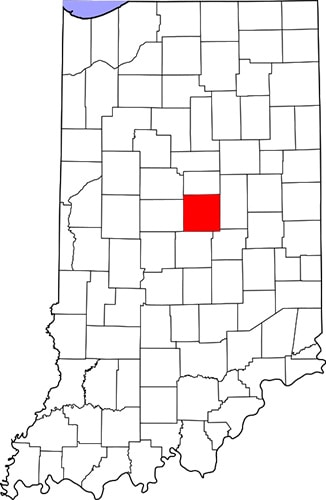
An additional 28 horses have been exposed.
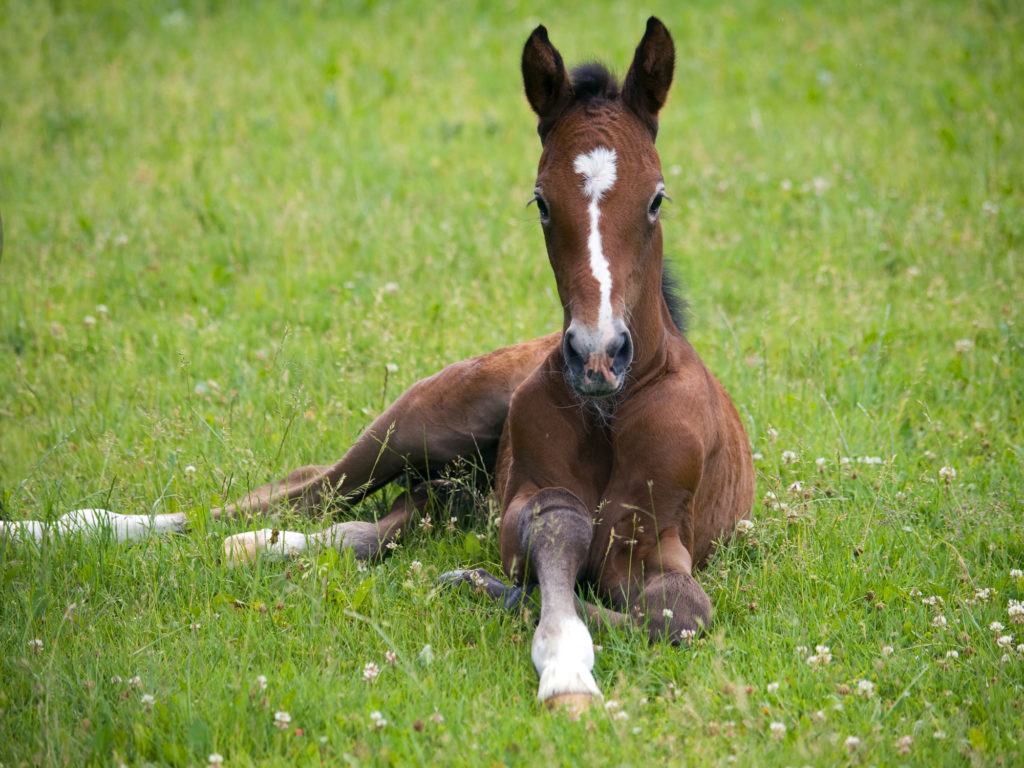
Two leading genetics researchers described current and upcoming tests for a variety of heritable equine conditions.

Four of 10 exposed unvaccinated mares aborted their foals.

Dr. Regina Turner shared her favorite breeding-related studies on topics ranging from foaling prediction to estrus suppression.

The Montgomery County boarding facility is now under a voluntary quarantine.

One horse is confirmed sick; an additional 20 were exposed.
An additional 20 horses were exposed.