Bone Development Before Birth in Horses
In horses bone development begins in the womb, but researchers are still working to understand the complexities of in utero bone growth.

In horses bone development begins in the womb, but researchers are still working to understand the complexities of in utero bone growth.
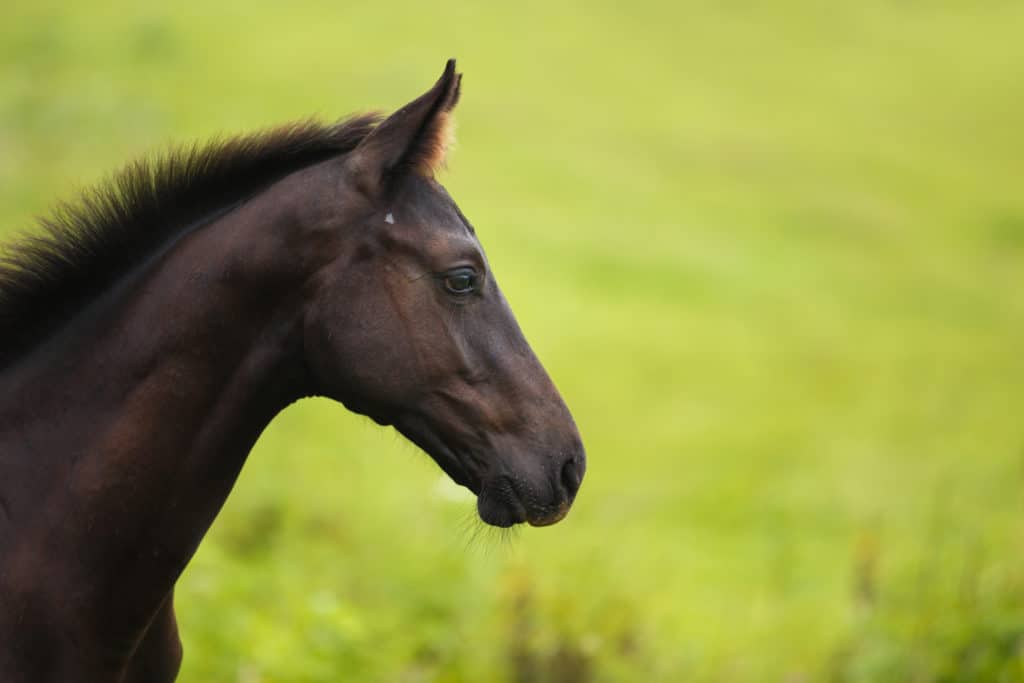
Horses with Warmblood fragile foal syndrome have extremely fragile skin and abnormal joint laxity.
Carleigh Fedorka, PhD, a postdoctoral scholar at the University of Kentucky Gluck Equine Research Center, started the campaign to fund her study “Hormone therapy: Suppressing your mare’s estrous, or suppressing her immune system?”
Chromosomal anomalies like chimerism are one of the leading genetic causes of infertility in horses.

When veterinarians detected pregnancy loss in horses early enough for mares to be rebred, 57.3% delivered a live foal the following spring. Of those, mares 3 to 8 years old had a 73% live-foaling rate.

Horse owners might want to have their mares’ ovaries surgically removed for a variety of reasons, including to prevent pregnancy, get rid of tumors, or, most commonly, resolve behavioral issues.

Foals from mares undernourished in late gestation had modified bone growth and slowed testicular development, while foals from overnourished mares had a higher osteochondrosis rate.

Is your parasite control program right for your horses? Find out and get your deworming questions answered!
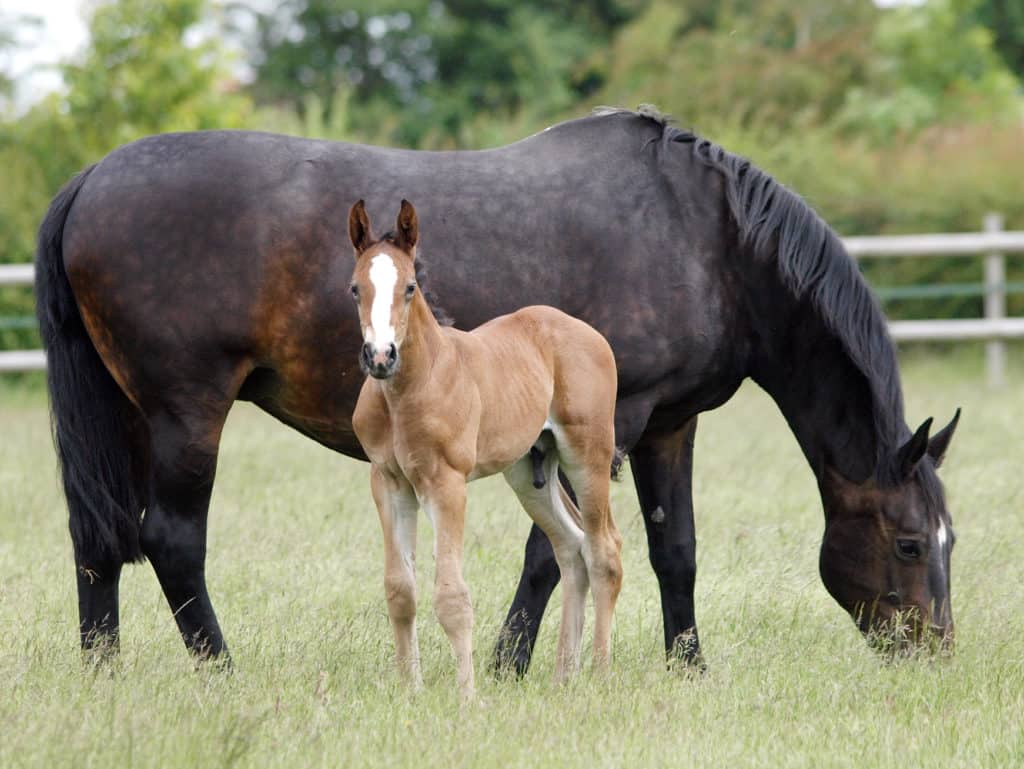
Lactating mares’ nutritional requirements increase drastically in order to maintain weight while providing nursing foals with enough critical nutrients.

Where do we go from here? Find out from Charlie Scoggins, DVM, MS, Dipl. ACT, who’s a fertility clinician at Rood & Riddle Equine Hospital in Lexington, Kentucky.

Boudaher is studying Rhodococcus equi under the direction of Carrie L. Shaffer, PhD, assistant professor at the Gluck Center.

Post-foaling colic is a significant threat for mares. Dr. Anthony Blikslager describes what to look for and how to respond if your mare colics following foaling.

A barrel racing horse developed rapidly progressive signs of EHM (the neuorlogic form of EHV-1) on April 19 and was euthanized the same day.

The index case–a 17-year-old Thoroughbred gelding diagnosed with EHM, the neurologic form of EHV-1–remains quarantined and isolated offsite and continues to show clinical improvements.
The mule exhibited mild respiratory clinical signs and ultimately died due to pneumonia complications.
The affected horse from Weld County is undergoing veterinary treatment and recovering.