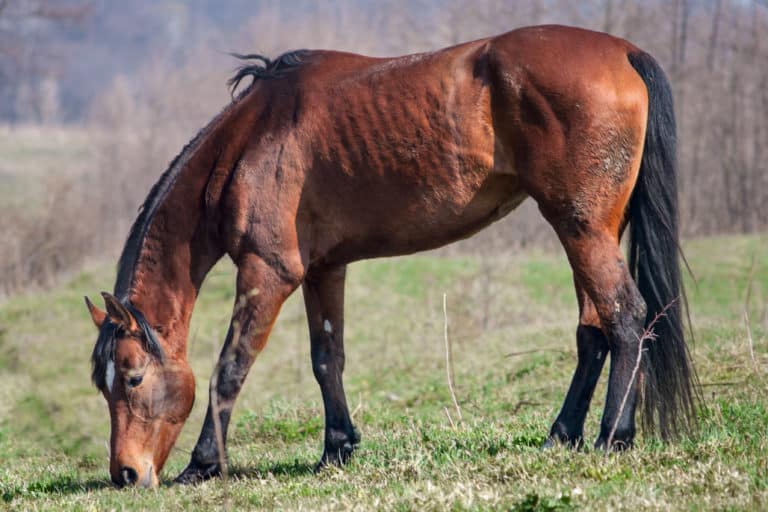
Marion County, Oregon, Horse Tests Positive for EHV
The horse showed acute neurologic signs and was euthanized after his condition deteriorated.

The horse showed acute neurologic signs and was euthanized after his condition deteriorated.
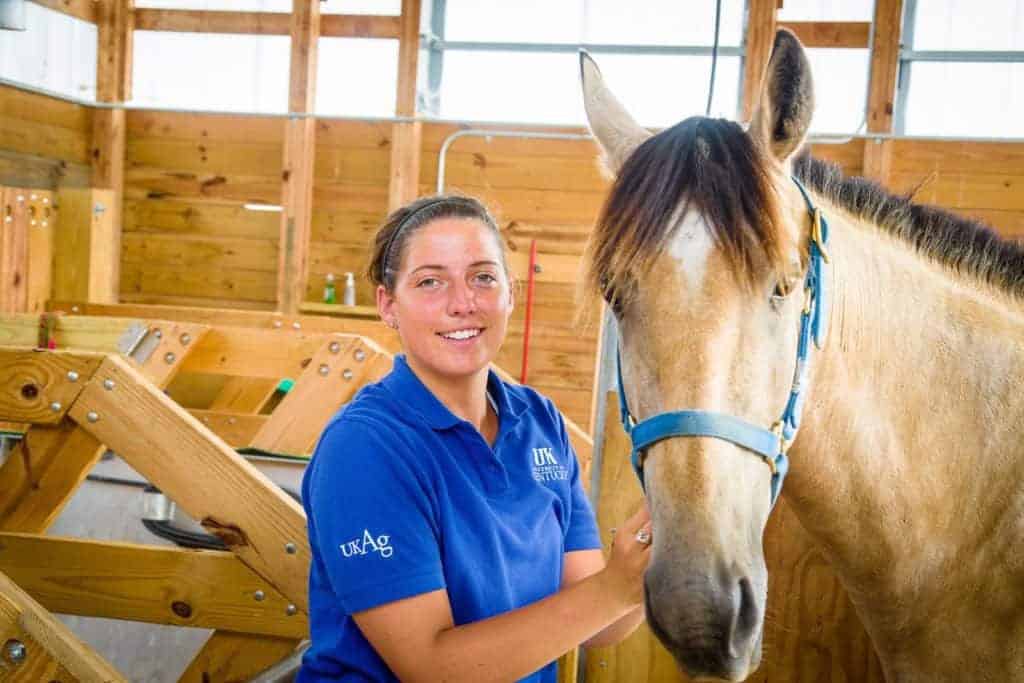
Taylor is studying how Kentucky 31 tall fescue and a novel endophyte tall fescue affect nonpregnant and pregnant mares.

Presentation topics include feeding through a horse’s life cycle, evaluating body condition, nutrition myths, and more.
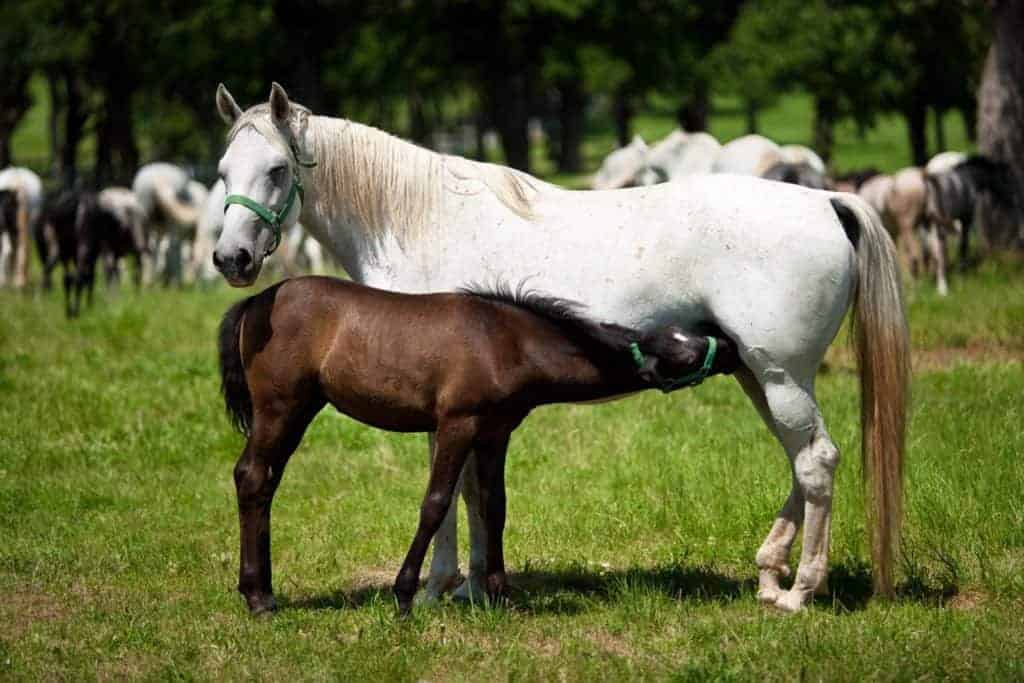
Dr. Laurie Lawrence shares results of studies on mare milk composition and foals’ GI microbial colonization.

L. intracellularis can cause segments of small intestines and sometimes large intestines to thicken.

Dr. Shavahn Loux is studying mares’ microRNA population during normal gestation and experimentally induced placentitis.

Fat is an energy powerhouse that is a horse’s most abundant energy source.

In one study, bacteria in 91.5% of the foals were susceptible to this antimicrobial combination.

What equine biosecurity methods do you use around your horse farm or facility?

Cases of CEM, EHV-1, and more have taught officials how to best prevent and respond to outbreaks.
No other cases of equine herpes myeloencephalopathy, the neurologic disease linked to EHV, have been reported in Texas.
The horse, stabled off Winter Equestrian Festival grounds, has been isolated and tested negative for EHV and strangles.

Vets can use intracytoplasmic sperm injection, oocyte transfer, and cloning to help subfertile mares produce foals.

With EHV cases reported from California to Kentucky already in 2017, get information you need to protect your horse.

Don’t wait for another disease outbreak to brush up on your EHV-1 knowledge.
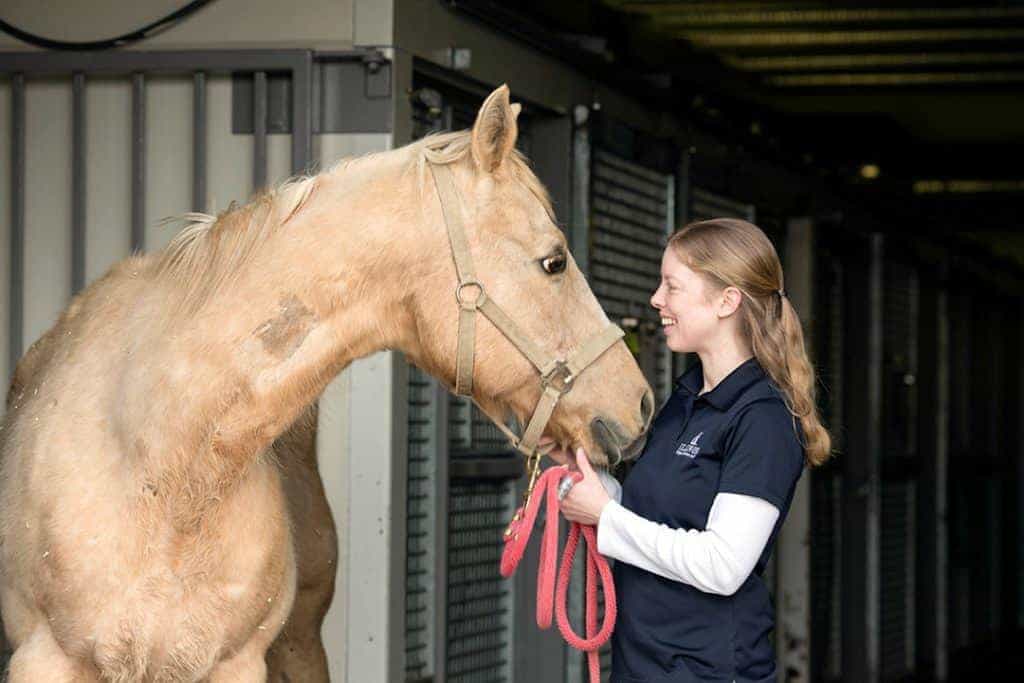
Dr. Annette McCoy explains how horse color is a great example of something called “simple inheritance.”