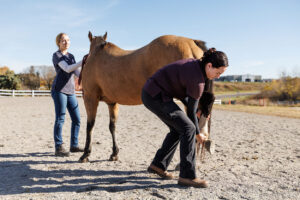
Leading Causes of Death in Aged Horses in Kentucky Examined
Digestive system and cardiovascular system problems were the most common causes of death in the study population.

Digestive system and cardiovascular system problems were the most common causes of death in the study population.
Confirmed diseases include equine herpesvirus, West Nile virus, African horse sickness, strangles, influenza, and more.

The index farm and veterinary clinic at which the horse was treated are currently under quarantine.

The horse was euthanized at the Marion DuPont Scott Equine Health Center in Leesburg, Virginia, shortly after arrival.

Reproductive endocrinology can influence a horse’s overall health and well-being.

Find tips on handling bacterial pleuropneumonia, pneumothorax and hemothorax, rib fractures, and ARDS in foals.
An Arkansas women claims an equine reproduction facility mishandled semen from her now-deceased Missouri Fox Trotter.

Controlling disease spread can be challenging. A veterinarian offers tips on how to react if your farm becomes infected.
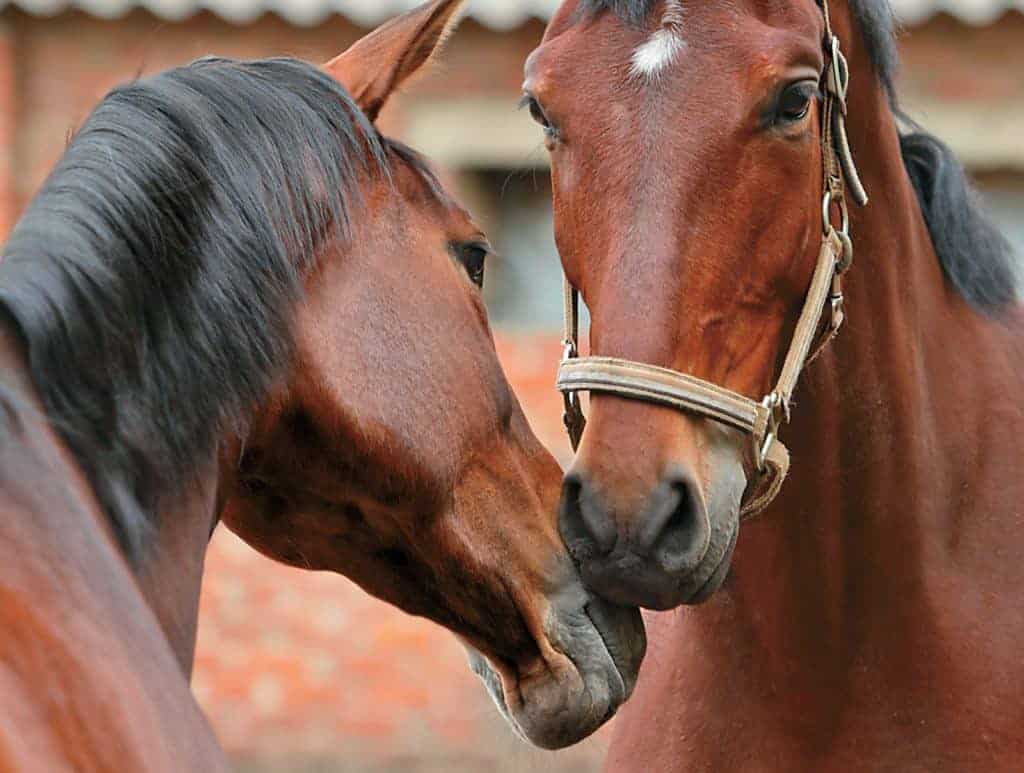
Now what? Internal medicine specialist Dr. Stephen Reed offers advice.

Carbohydrates are the main source of dietary energy for horses and are important for fast, quick-burning power.

Our nutrition expert considers grain hays, grass hay, and alfalfa for feeding growing horses.
The horse showed acute neurologic signs and was euthanized after his condition deteriorated.
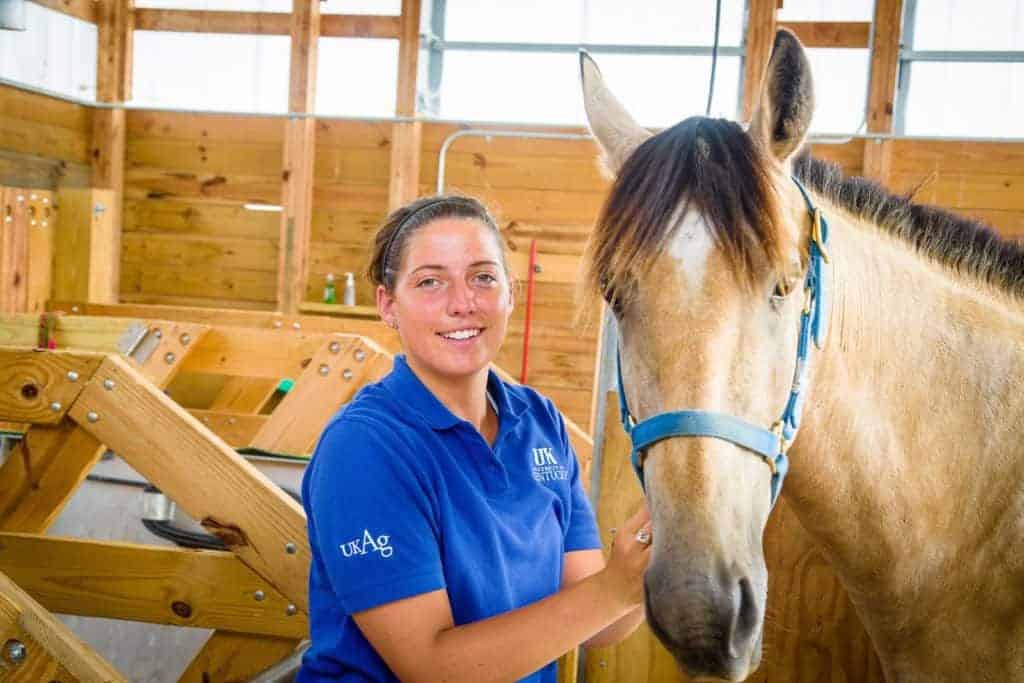
Taylor is studying how Kentucky 31 tall fescue and a novel endophyte tall fescue affect nonpregnant and pregnant mares.

Presentation topics include feeding through a horse’s life cycle, evaluating body condition, nutrition myths, and more.
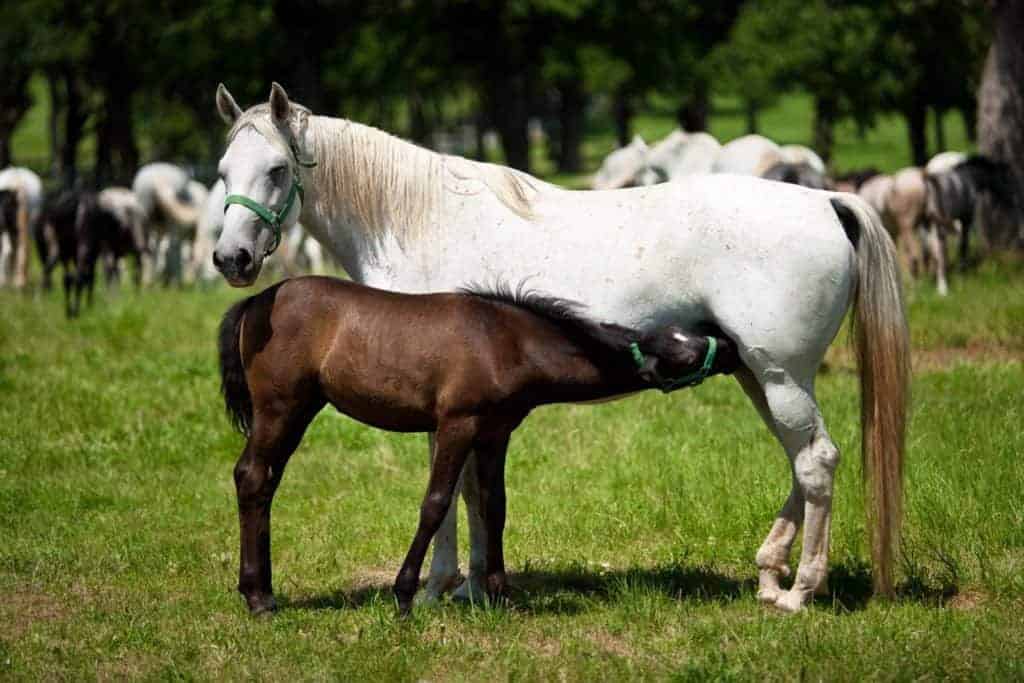
Dr. Laurie Lawrence shares results of studies on mare milk composition and foals’ GI microbial colonization.

L. intracellularis can cause segments of small intestines and sometimes large intestines to thicken.