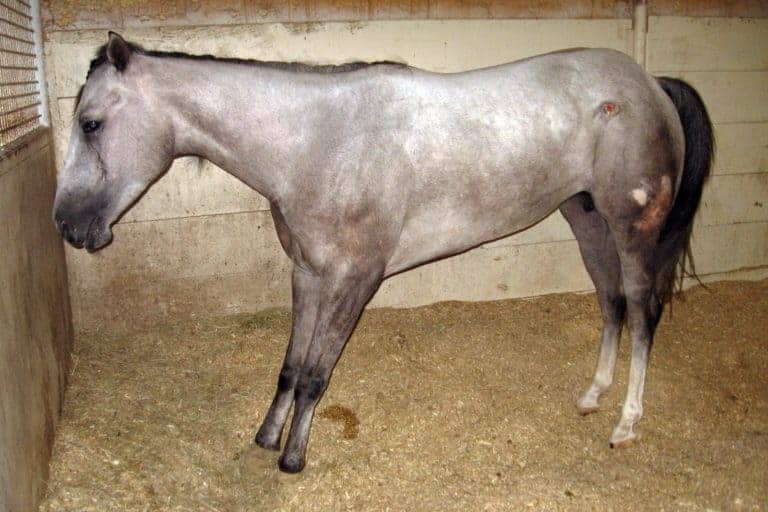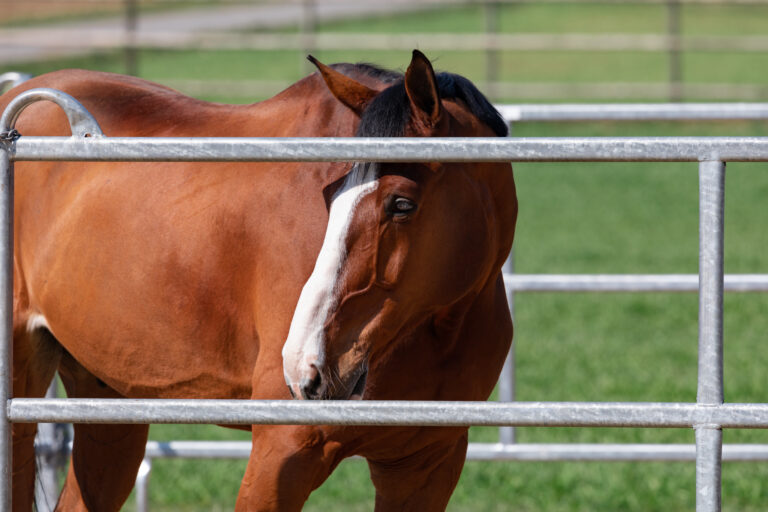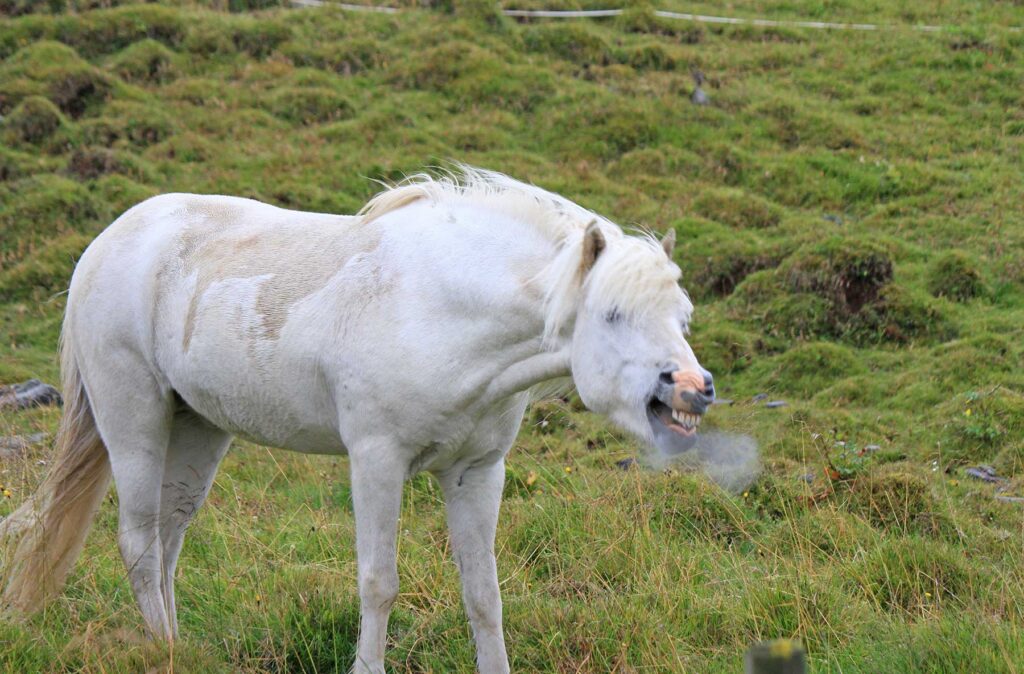
Signs of Respiratory Disease in Horses
Nasal discharge, coughing, and changes in breathing rate or effort can point to equine respiratory disease. Learn how to spot early warning signs.

Nasal discharge, coughing, and changes in breathing rate or effort can point to equine respiratory disease. Learn how to spot early warning signs.

An equine veterinary podiatrist says ice might help address this horse’s foot pain but won’t solve the main problem.

Get tips for ensuring your horses receive the nutrition they need without eating all your money.

Good barn ventilation means air exchange, not just airflow. Open, airy stalls and well-timed chores help reduce dust and improve air quality.

One’s designed to be the horse’s whole diet, while the other is meant to complement his forage ration. Which is best for your horse?
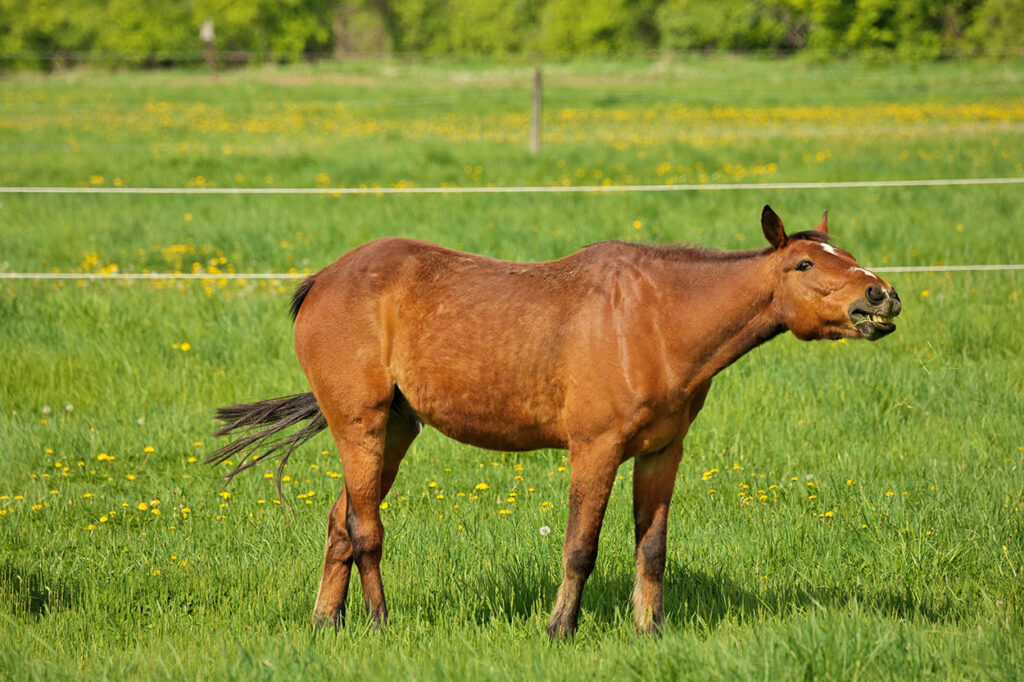
Vaccination, biosecurity, and sound barn management practices reduce the risk of equine respiratory disease and support faster recovery.
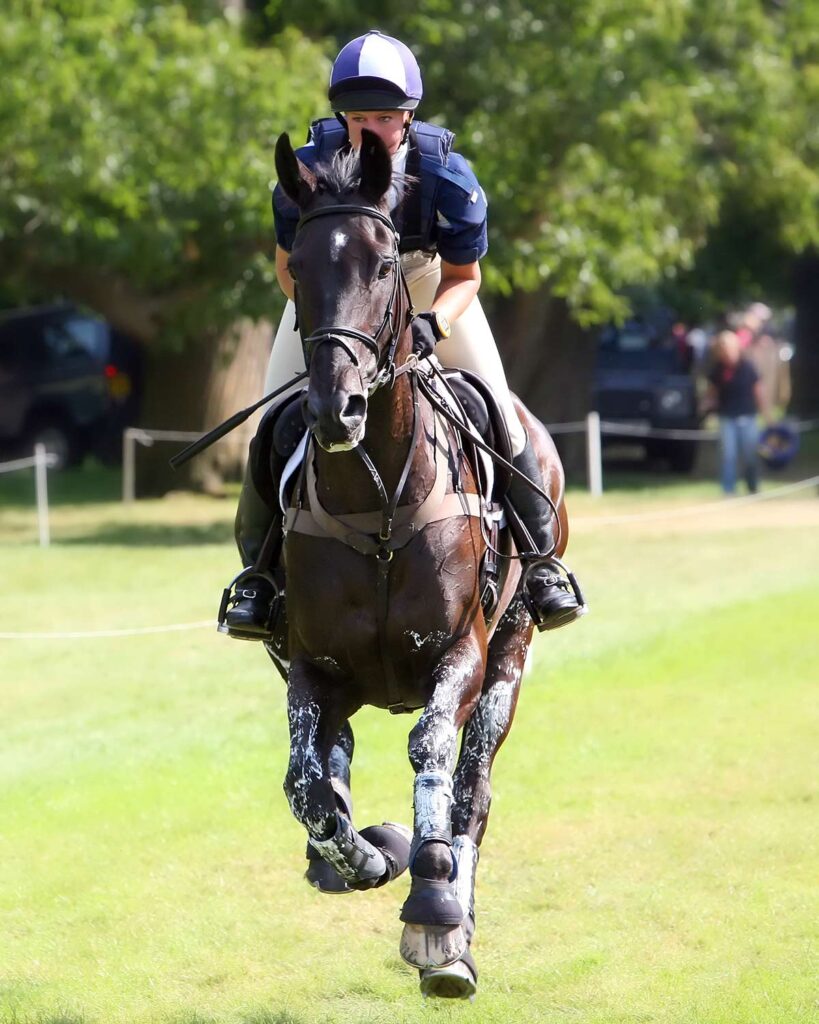
High-quality protein digested in the small intestine helps supply essential amino acids needed for muscle repair, recovery, and performance in horses.
Discover which horses can benefit from higher carbohydrate levels in their diets and the feeds that can supply them.

Make sure you choose the right type and amount of salt to support your horse’s health—especially during extreme heat.

Keeping horses with arthritis moving can support joint mobility and long-term comfort. One expert shares some exercises to try.

An equine nutritionist explains how starch affects horse gut health and can influence equine behavior.

Don’t forget horses need calories to keep cool in the heat.
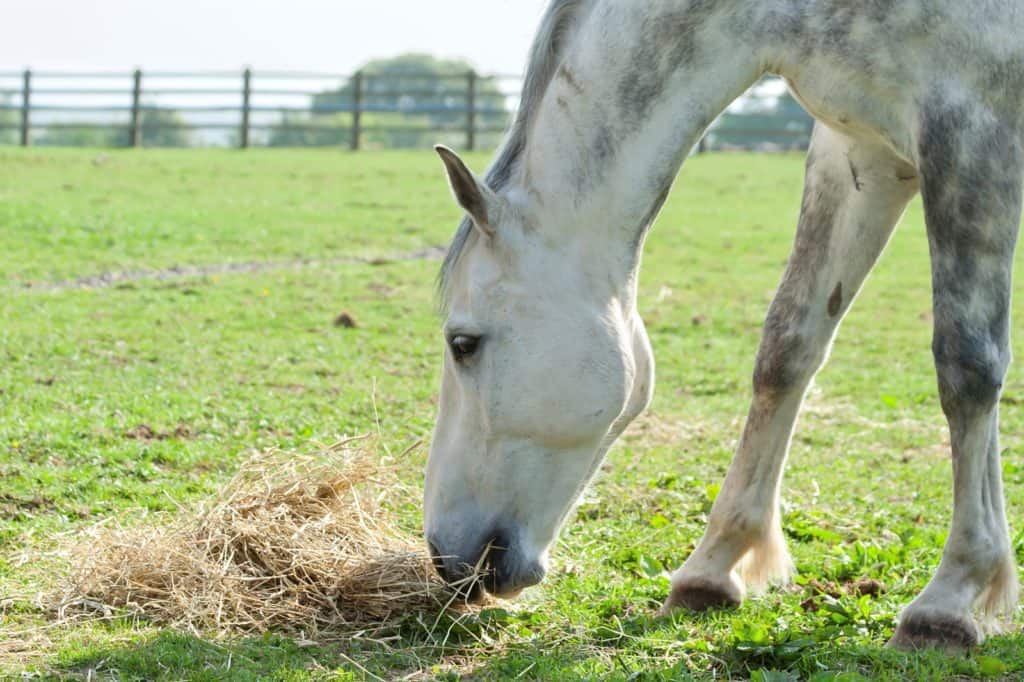
Learn about feeding your new horse during transport, quarantine, and the first few weeks at his new home.
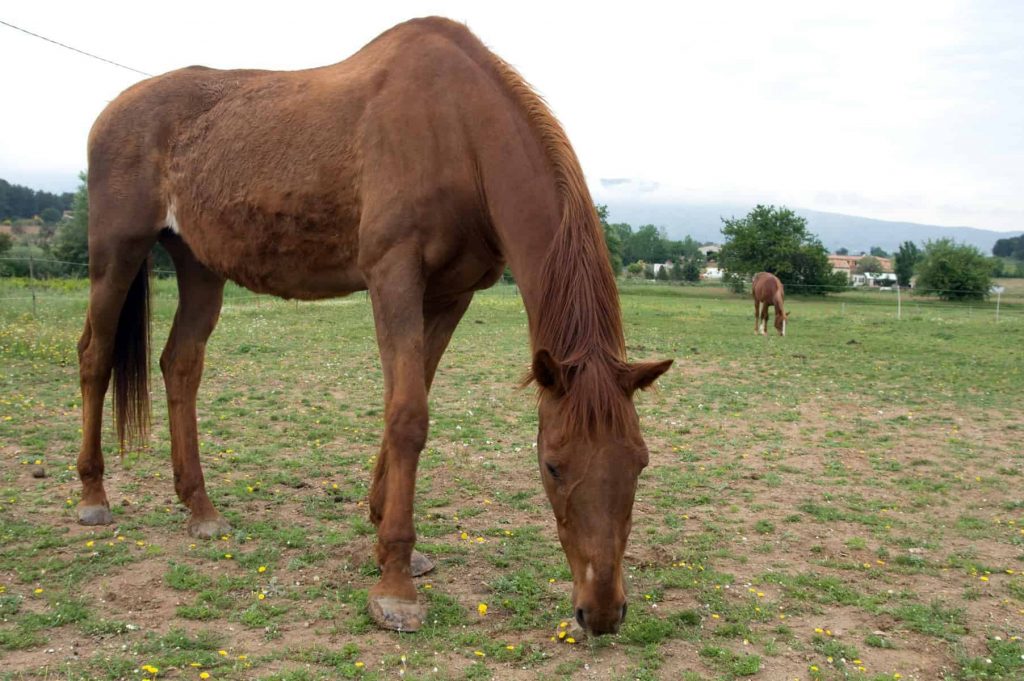
Prevent weight loss in horses by testing hay, monitoring calorie intake, and adding fat or fiber to maintain body condition through seasonal forage changes.

Do you have a messy horse that dumps her feed in the dirt? Try these tips to make sure she gets the nutrition she needs.

An equine nutritionist describes the role of magnesium in a horse’s diet and why performance horses might benefit from supplementation.