Rationing Hay for Horses With Metabolic Problems
Sourcing lower-energy hay and implementing slow-feeding strategies can help reduce your horse’s risk of becoming obese and developing metabolic problems.

Sourcing lower-energy hay and implementing slow-feeding strategies can help reduce your horse’s risk of becoming obese and developing metabolic problems.

An equine nutrition expert addresses toplines, horse protein needs, and if whey is the way to go.

Adding oil to your horse’s diet can improve coat quality and weight gain. An equine nutritionist describes factors to consider before choosing an oil to feed your horse.
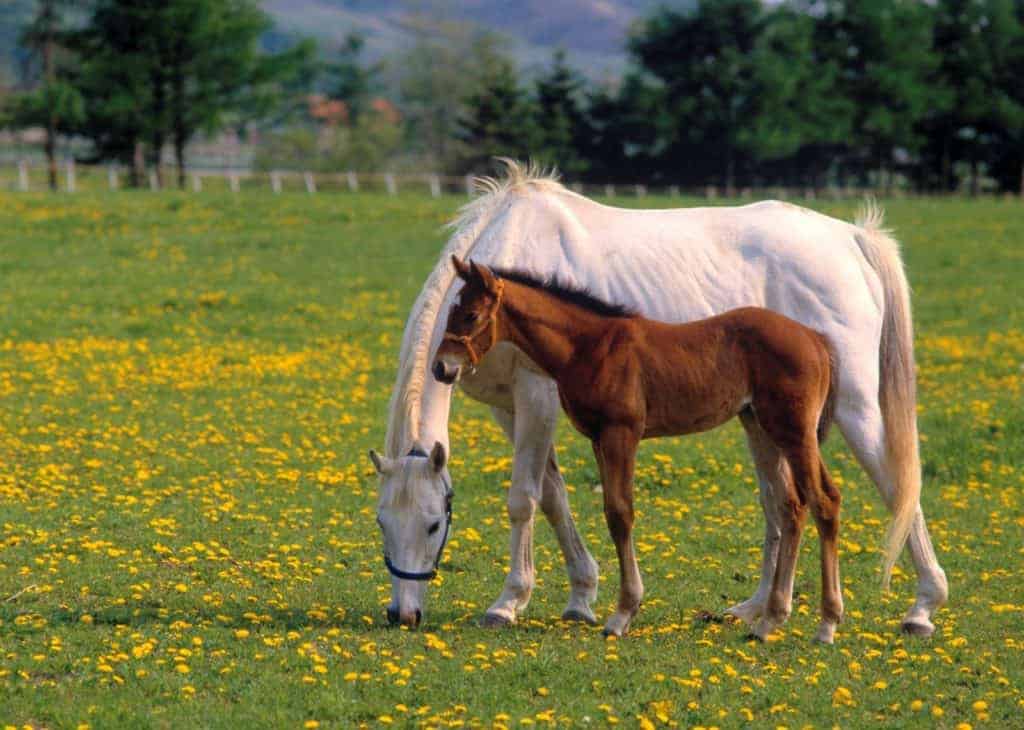
Learn how to adjust your mare’s diet to support a healthy pregnancy, ensure adequate milk production, and maintain her body condition during this critical time.

Find out why your horse might be more prone to impaction colic during winter and how you can reduce the risk.

An equine nutritionist explains the best way to switch your horse to a new hay and what to do if you have limited hay storage.

An equine nutritionist explains why you should consider your individual horse’s needs and forage source before choosing a ration balancer.

Not all carbohydrates are created equal, and “low-carb” definitely doesn’t mean “no-carb.” A nutritionist explains.
A podiatrist gives his tips for keeping a horse with chronic laminitis and equine metabolic syndrome comfortable.

An equine nutritionist shares tips to reduce impaction colic risk in senior horses, focusing on hydration, digestion, proper feeding practices, and more.

Proper shoeing aligns with a horse’s conformation and job, enhancing natural abilities with minimal interference.

Researchers found that a herd of Icelandic horses survived after their water source froze amid snowstorms. But, as a rule, horses should always have access to fresh water.

Should you adjust your horse’s diet if he will have time off during winter? What changes are safe to make? An equine nutritionist explains.

Horses with certain health conditions should skip sweet treats. Find out if your horse is one.

Horses that are used to being on pasture during the spring, summer, and fall might experience nutrient deficiencies during the winter.

As your horse ages, dental problems might develop that require changes to his diet.