Equine Internal Parasites and Malnutrition: What’s the Link?
Internal parasites can damage horses’ digestive tracts, causing lifelong issues with nutrient absorption.

Internal parasites can damage horses’ digestive tracts, causing lifelong issues with nutrient absorption.

Horses can consume hay pellets or cubes rapidly. How can we slow them down to increase their time spent chewing?

Find out how proper nutrition, including high-quality protein, could help improve muscling over your horse’s back.

An equine nutritionist describes how to promote weight loss in horses that cannot be ridden.
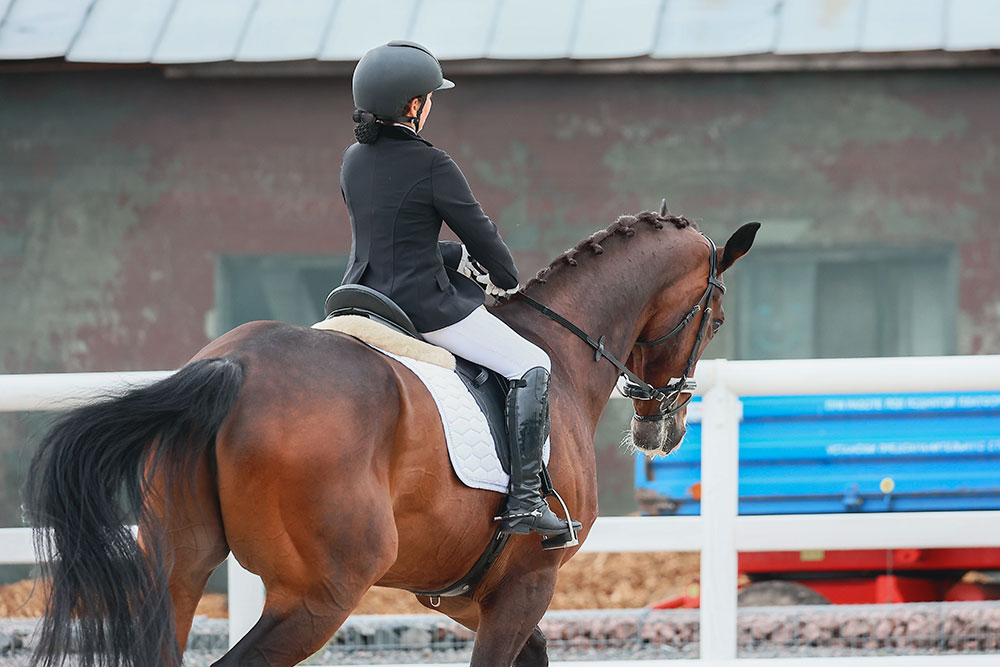
Discover key signs that could indicate 2 types of gastric ulcers in your horse so you can take proactive steps to ensure his peak health.
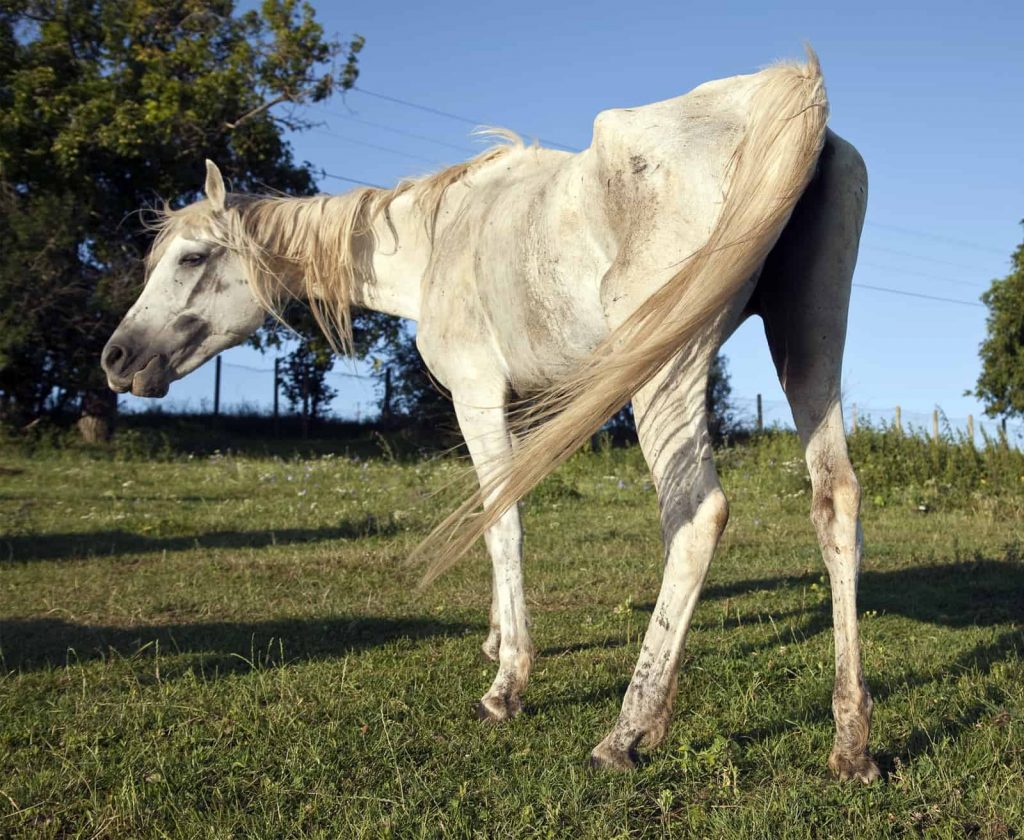
When refeeding skinny or emaciated horses, feed forage first to avoid fatal refeeding syndrome.

Researchers found horses with gastric ulcers are under greater oxidative stress and concluded the animals might benefit from additional antioxidant therapy.

Providing forage before an early morning ride can help reduce your horse’s risk of developing ulcers.
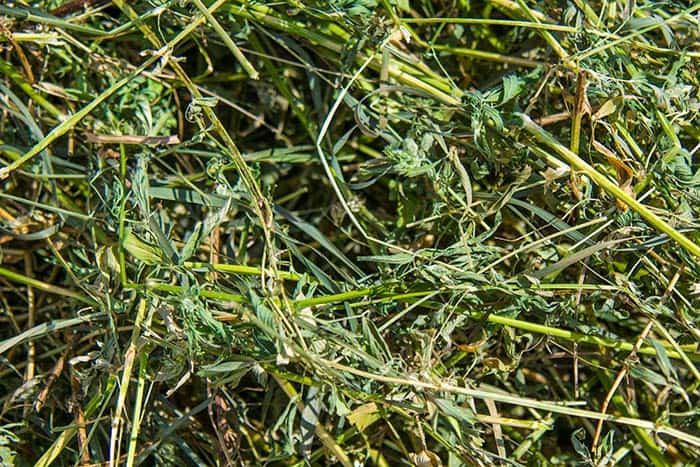
When fed correctly, alfalfa might help prevent gastric ulcer development. One expert explains the importance of timing and amount when feeding horses alfalfa.
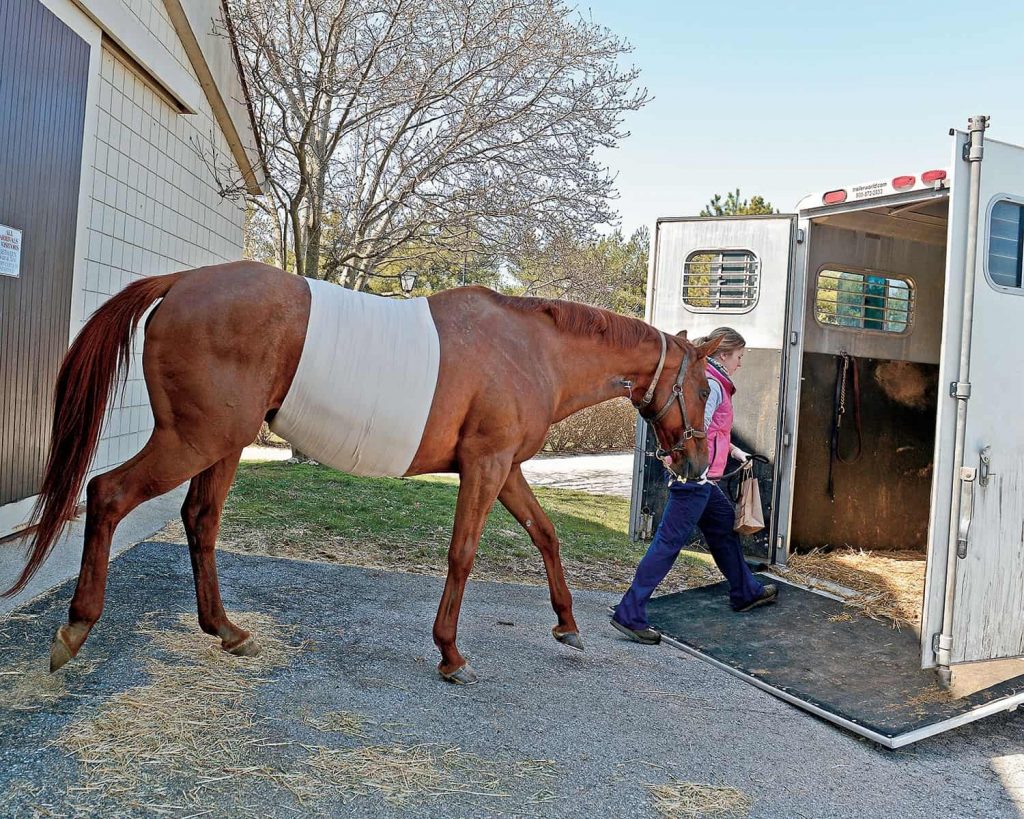
The stress of surgery and the management changes that follow can cause gastric ulcers in horses. An equine nutritionist describes possible solutions.

International units are used to quantify similar biologically active substances such as vitamins and hormones. One equine nutritionist explains.

Do certain concentrates increase gastric ulcer risk? A nutritionist answers this commonly asked question.
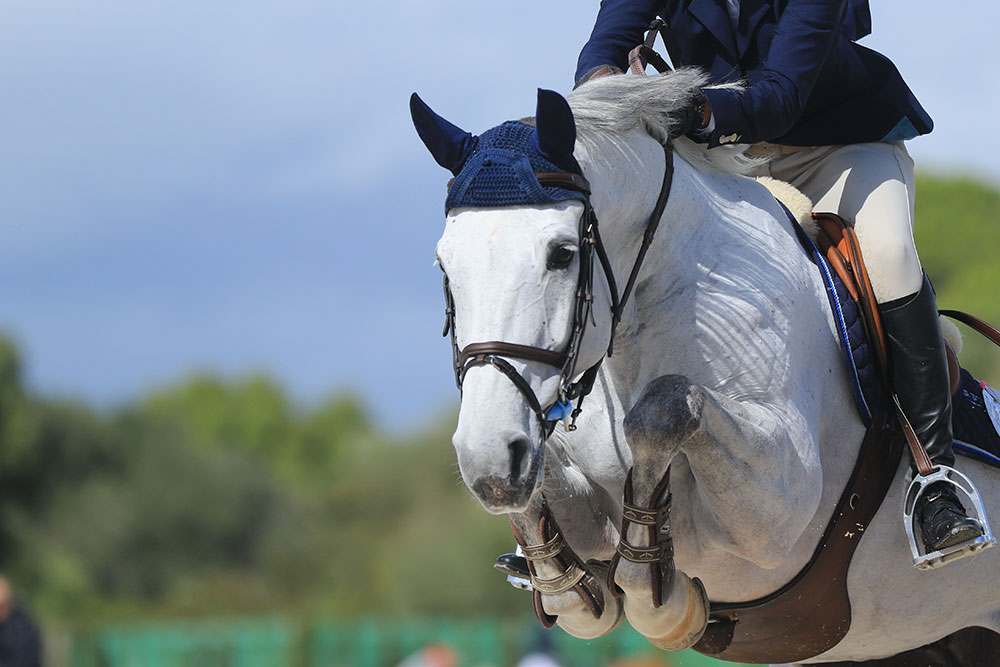
Addressing your high-energy horse’s behavior using diet might involve some trial and error. Learn what you should consider before adjusting his feeding program.
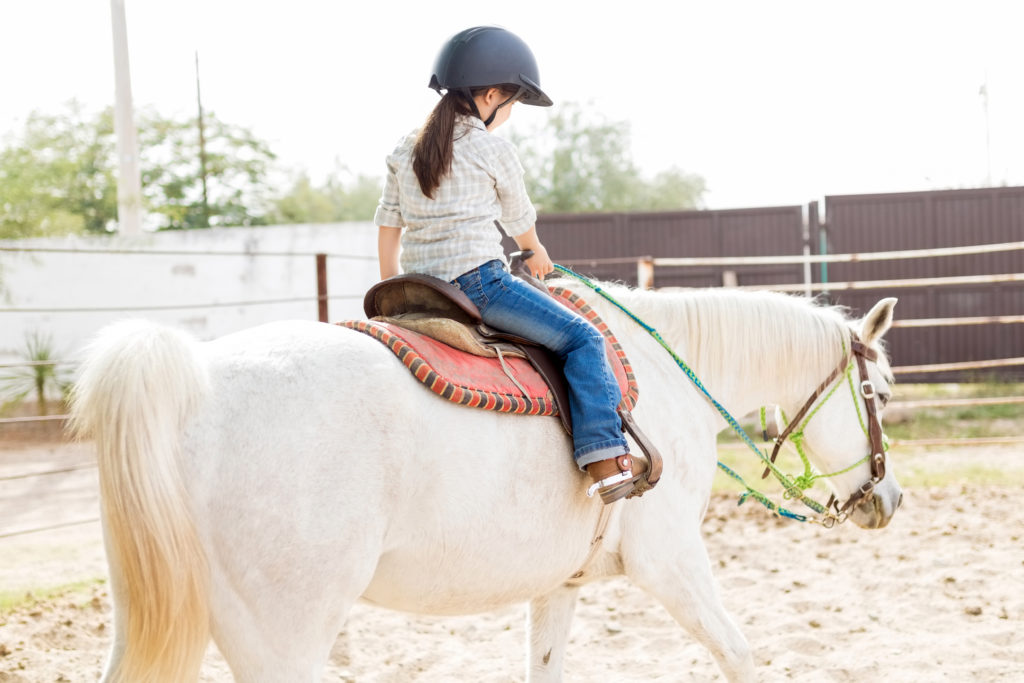
Consider the horse’s lameness history and gradually increase varied exercises to manage these mounts, one veterinarian says.

Why is the serving size of a vitamin and mineral supplement for horses so much smaller than a ration balancer serving?

When does a horse need selenium supplementation, and what’s the best way to provide it? An equine nutritionist weighs in.