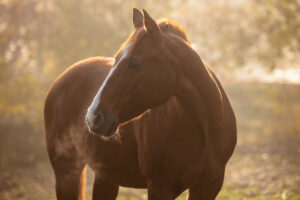
How To Manage a Horse With Seasonal Allergies
Here’s what you can do to help your allergy-prone horse prepare for the onslaught of seasonal allergens.

Here’s what you can do to help your allergy-prone horse prepare for the onslaught of seasonal allergens.

What should and shouldn’t horses with heaves (or equine asthma) eat? A nutritionist offers advice.

Can feeding copper help darken a horse’s coat and prevent sun-bleaching? Learn more about this important trace mineral.
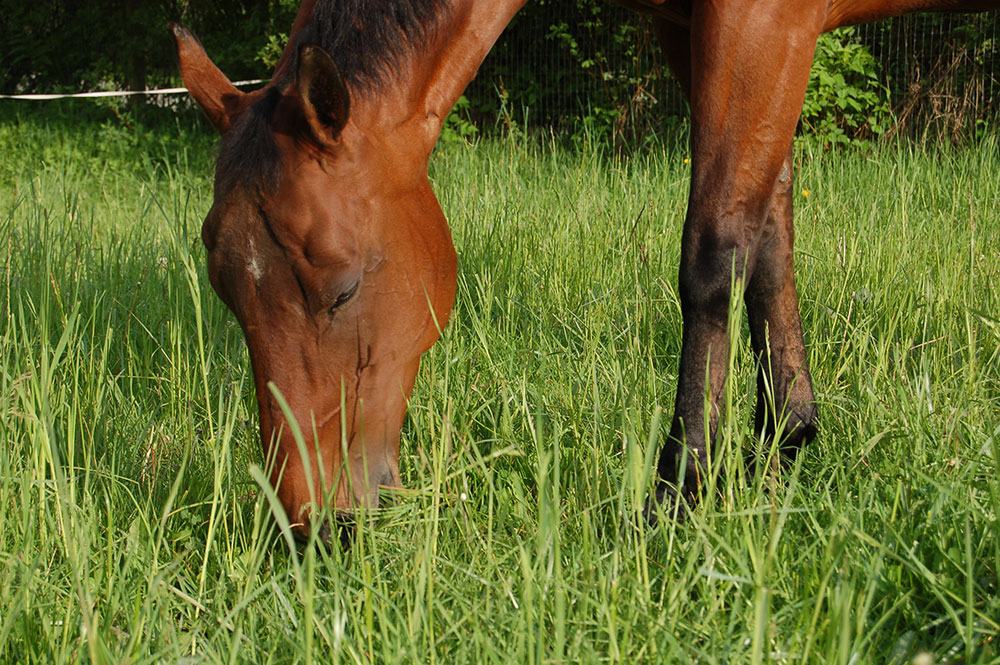
Cultivating healthy pastures on your horse farm can help remove carbon dioxide from the atmosphere. Here’s how.
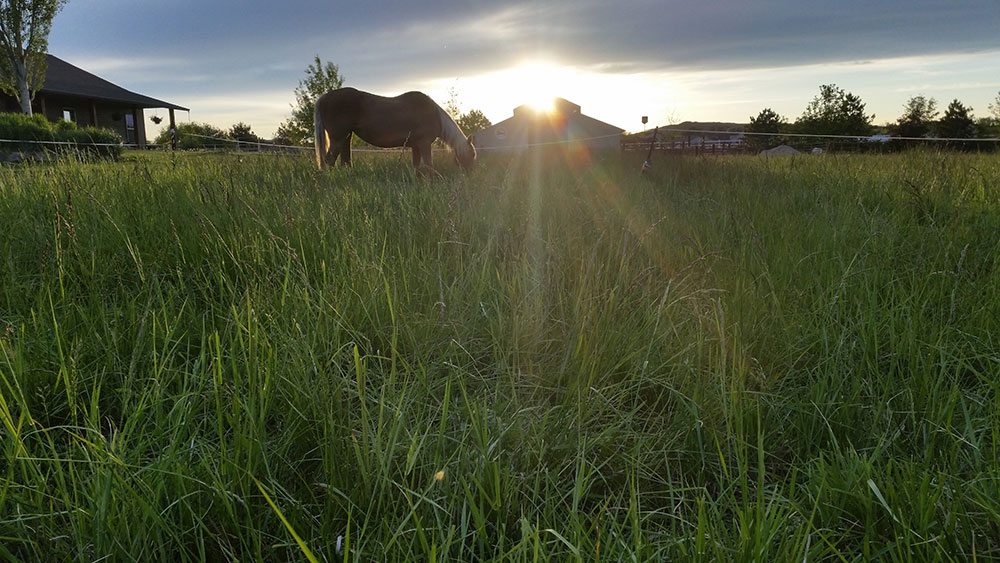
Learn what you can do to reduce the carbon footprint of your horse farm.
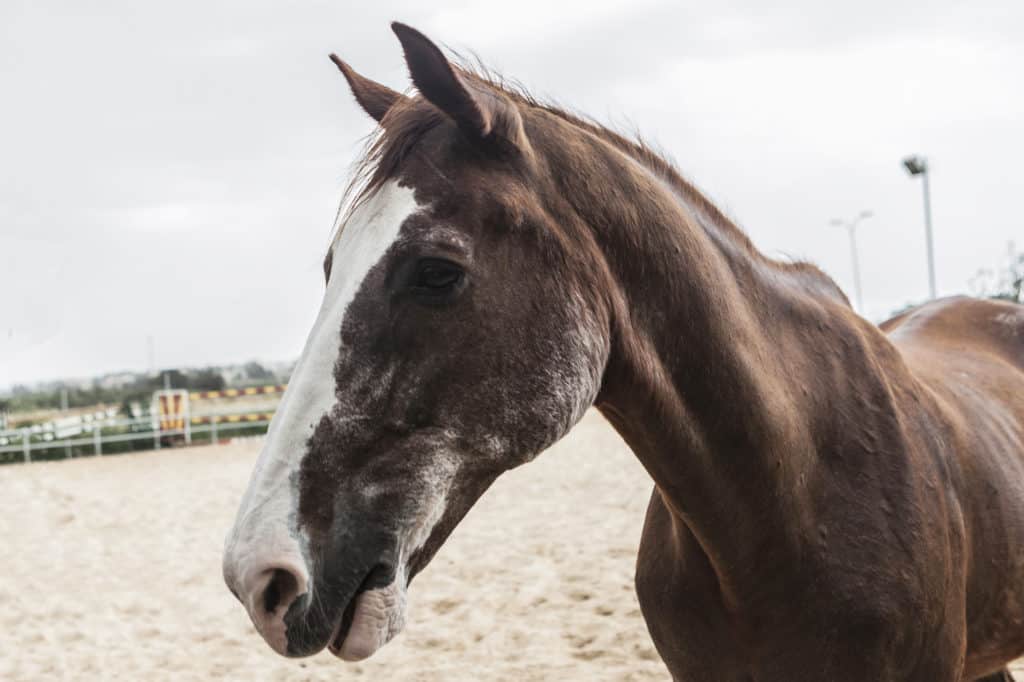
Is your senior horse a picky eater? Be sure he has regular veterinary dental examinations and consider changing his forage or concentrate feed.

One equine nutritionist offers dietary advice that might help reduce inflammation and guard against gastric ulcers during NSAID treatment for uveitis.

One expert explains whether horses that maintain body condition well on forage alone get enough protein from only eating hay.

Find out what a veterinarian might look for when examining a horse that loses his balance after jumping a fence.

An equine nutritionist offers advice about soaking beet pulp and ensuring it’s safe for horses to eat.

Before adding fat to your horse’s diet to improve his coat, be sure he’s on a balanced diet and that you’re grooming him regularly.

Follow these 3 steps to feed your horses efficiently and potentially help reduce your feed bill.

An equine behavior expert offers advice on raising and training an orphan foal to reduce future unwanted behaviors.

An equine nutritionist breaks down what’s in a grain-free feed and how you might increase calories for a performance horse consuming a grain-free diet.

Horses on antibiotics might experience feeding, housing, and management changes as well as increased stress, which are associated with gastric ulcer development.