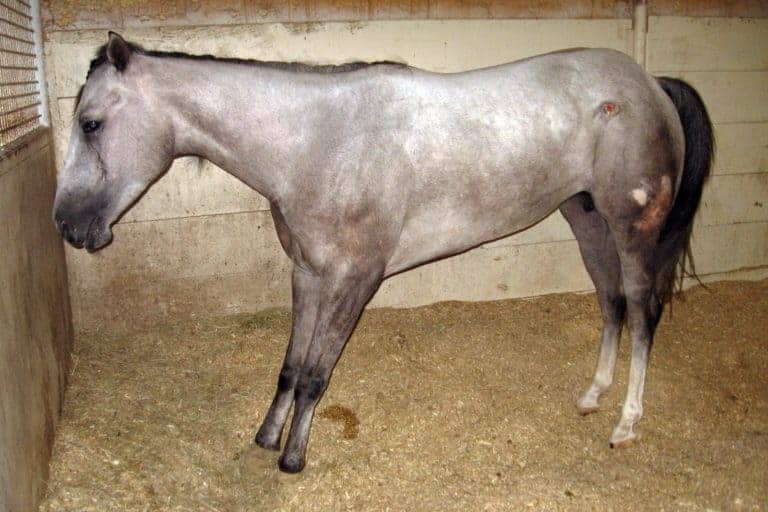
Equine Nutritional Deficiencies: Hair Analysis vs. Bloodwork
Here’s a look at what hair analysis and bloodwork each can tell you about your horse’s nutritional health.

Here’s a look at what hair analysis and bloodwork each can tell you about your horse’s nutritional health.

Ditch traditional bran mashes (and the issues they can cause) for forage feeding to keep horses warm.
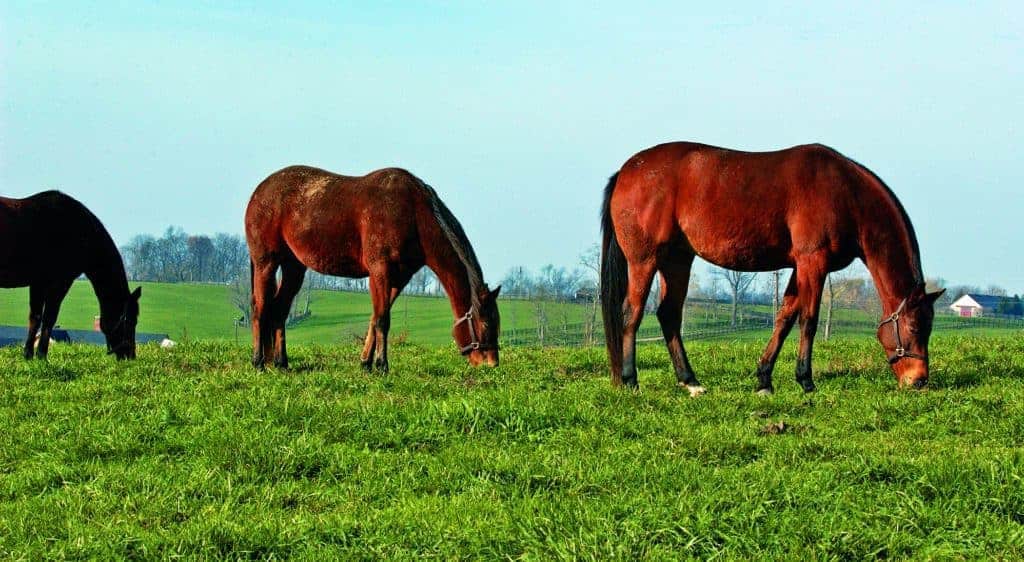
If your broodmare is overweight and/or has metabolic problems, her foal could be at risk. Here’s how you can keep both horses safe during pregnancy.

One equine nutritionist offers tips and asks for your input on dealing with ice in horse watering tanks.
If your horse is living in an area with poor air quality, he might benefit from wet or steamed hay and omega-3 supplementation.

If your horses have poor hoof quality, consider making changes to their diet to help strengthen their hooves.

Is your hay more than 6 months old? Then it might be losing vitamin A and E.

Black cherry leaves are blowing into a horse pasture, and the owner is worried they will put her horses’ health at risk.

Addressing your OTTB’s diet in three phases will help you provide the nutrition he needs to thrive in his new career.

An equine nutritionist explains why you should consult your veterinarian and test hay quality if your mule (or horse) has a hay belly.

One equine nutritionist explains why mineral blocks might not be ideal for mules, and what can replace them.

Horses with PSSM1 might benefit from magnesium supplementation, but it is important to use the right form and reevaluate its effects on your horse periodically.
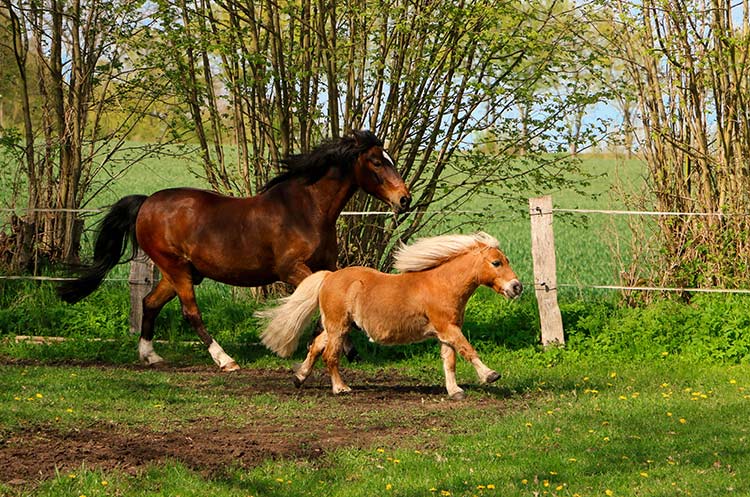
Is your feed room overflowing? Get advice on streamlining equine diets when you’re feeding horses with a variety of nutritional needs.

One expert explains why closing your barn doors and windows during the winter might not be ideal for your horse’s health.

One equine nutritionist explains how you can make sure your PPID horse’s hay is safe for him to eat.

Certain groups of horses can benefit from eating soaked alfalfa pellets, which are the finely chopped and compressed form of the nutrient-dense legume.