Medical Colic Management: What to Know
The goal of medical management centers around breaking the associated pain cycle and reestablishing proper GI function.

The goal of medical management centers around breaking the associated pain cycle and reestablishing proper GI function.

Developing an understanding of post-colic feeding practices can help your horse on the road to recovery.
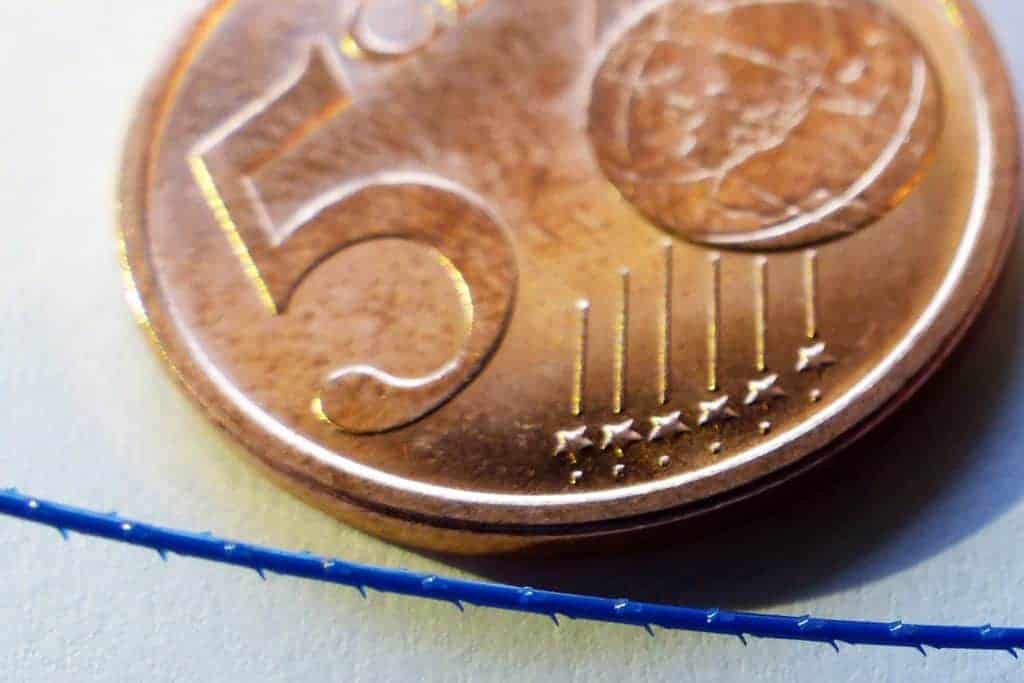
Barbed sutures eliminate the need for knot-tying and distribute tension on the suture line more evenly, researchers say.

Learn how to right a recumbent horse and what factors influence his survival.

Learn to identify these common and important signs of colic in horses–doing so might save your horse’s life.
The event is held every three years and focuses on new innovations in colic care.

Find equine colic content on TheHorse.com throughout June.
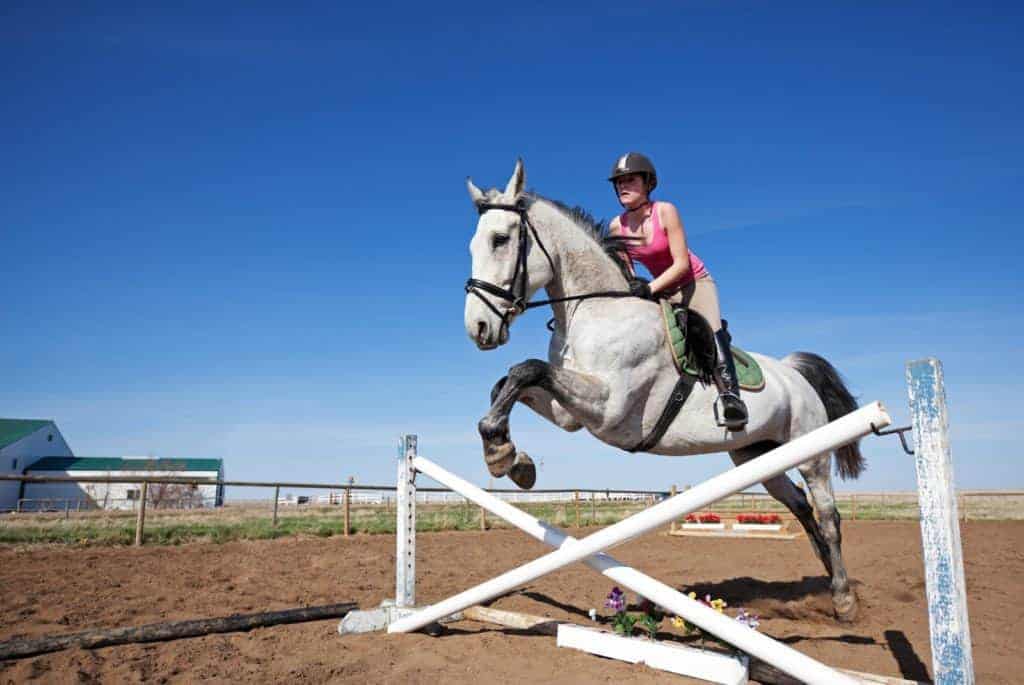
In a long-term study, researchers showed that 92.5% of horses discharged had returned to work four to eight years after surgery.

A complete, thorough, and timely work-up of the horse has the greatest effect on successfully treating colic.

Digestive system and cardiovascular system problems were the most common causes of death in the study population.

Many respondents said they’d have to consider the possible outcomes before sending a horse to colic surgery.

An owner with a colicky horse is worried that grain could be the culprit and wants to know how much to feed.

Watch for these conditions that impact nutrient absorption and lead to weight loss in horses.

With cold weather comes complicating factors that could increase horses’ colic risk.
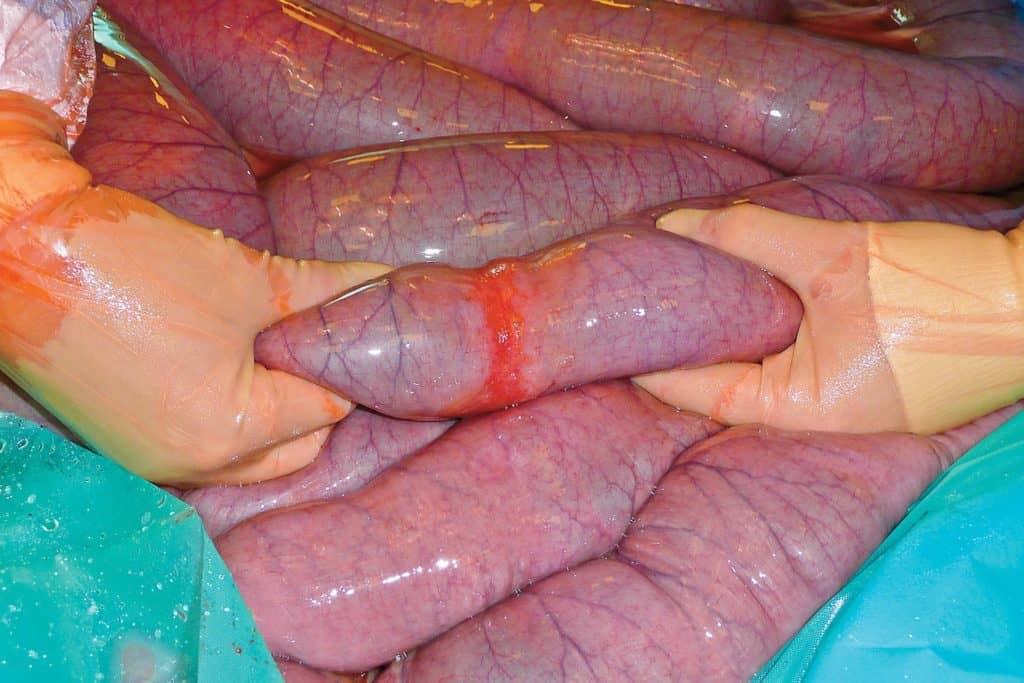
Learn more about this challenging inflammatory condition that affects the horse’s intestines.

Your horse is wounded, bleeding, or critically ill: What should you do? Get advice from our expert!