Monday’s Top Tweets from the 2015 AAEP Convention
Tweets and take-homes from the Milne lecture and sessions on colic, digestive health, pathology, and more.

Tweets and take-homes from the Milne lecture and sessions on colic, digestive health, pathology, and more.

Hope Douglas, VMD, will discuss types of colic, as well as evaluation and treatment both in the field and in a hospital.

Researchers found that firocoxib and flunixin reduced horses’ pain scores similarly following colic surgery.
The researchers are also seeking veterinarian and horse owner input for surveys on recognizing and diagnosing colic.

Most impaction colics studied (53.4%) resolved without treatment or with simple medical therapy on the first visit.
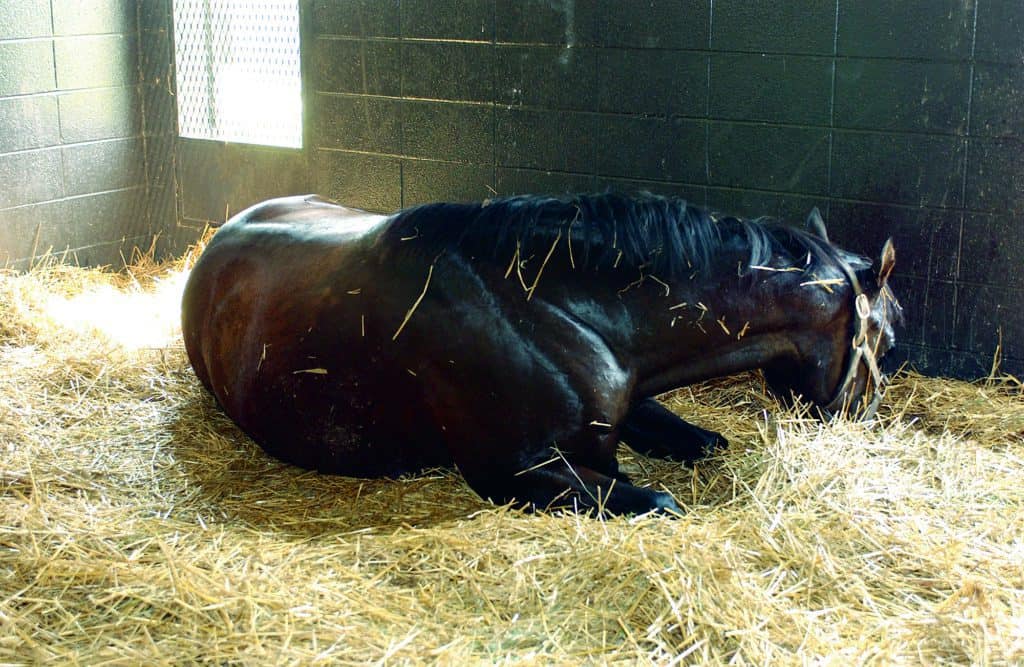
Dr. Anthony Blikslager offers insight to vets on recognizing horses in pain and covers drug therapy options.
Being prepared in advance can help horse owners handle this scary situation as well as possible.

Before you hit the asphalt trail, consider these expert tips to make sure your horse arrives healthy and happy.

Veterinarians can’t manage all colics with NSAIDs alone. Learn about the other medication options they have.

Here are the steps to take and information to gather when faced with a colicking horse.

Learn how vets use a technique called FLASH, a targeted abdominal ultrasound examination, to diagnose colic.

While vets have made progress in improving colic surgery in the past 40 years, there are still improvements to be made.
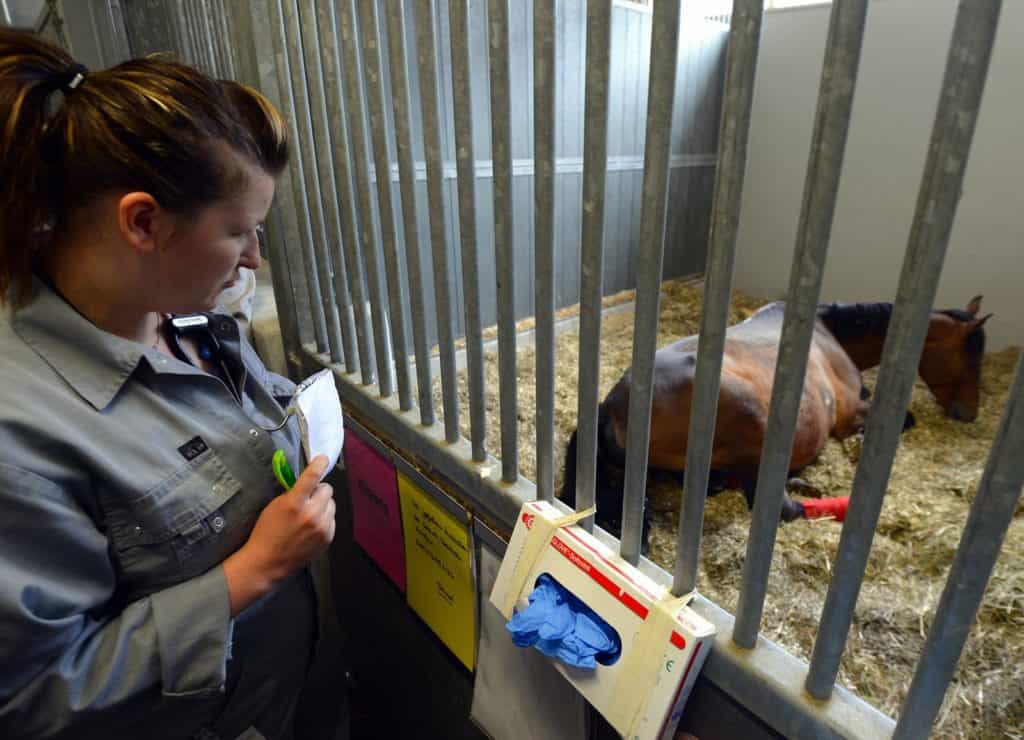
In the researchers’ clinic colic incidence among each group of patients was not significantly different.
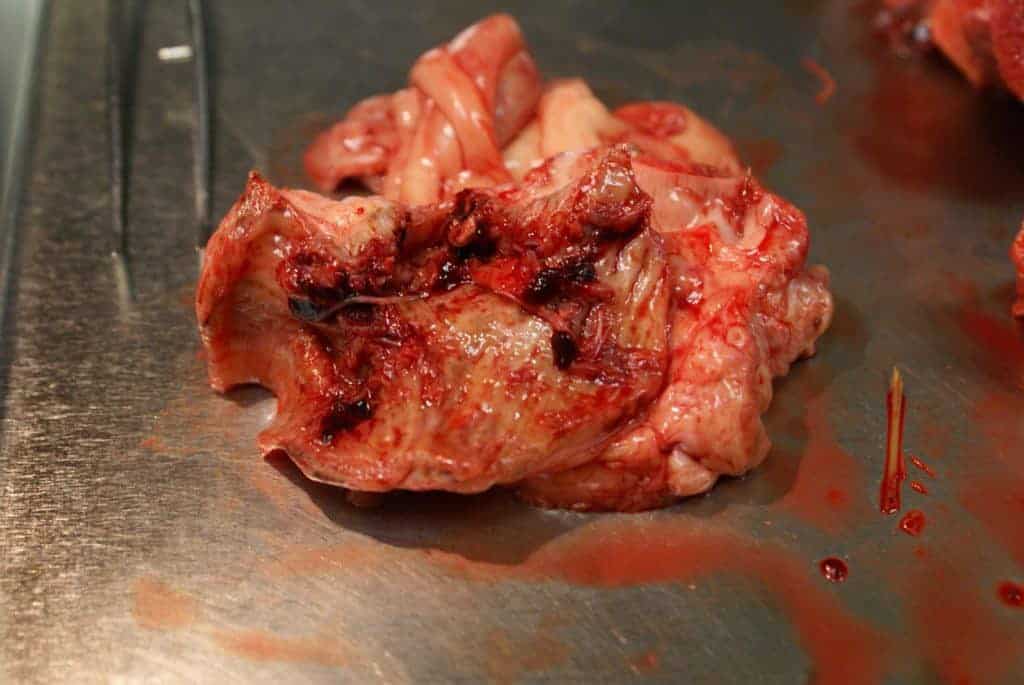
Using a new test, researchers determined that bloodworms are associated with nonstrangulating intestinal infarctions.

Drought conditions pose unique health care and management challenges for horse owners. Here’s what you need to know.
Horses undergoing multiple colic surgeries in a 14-day period are at greater risk for incisional infections.