Ultrasound, Palpation to Diagnose Colic
Learn how veterinarians can use these methods in concert to diagnose colic in horses.

Learn how veterinarians can use these methods in concert to diagnose colic in horses.
Equine Guelph and Intercity are providing online workshops and tools to help owners reduce colic risk.
Study topics include laminitis, foal pneumonia, stem cells, endometritis, joint issues, insulin resistance, and more.
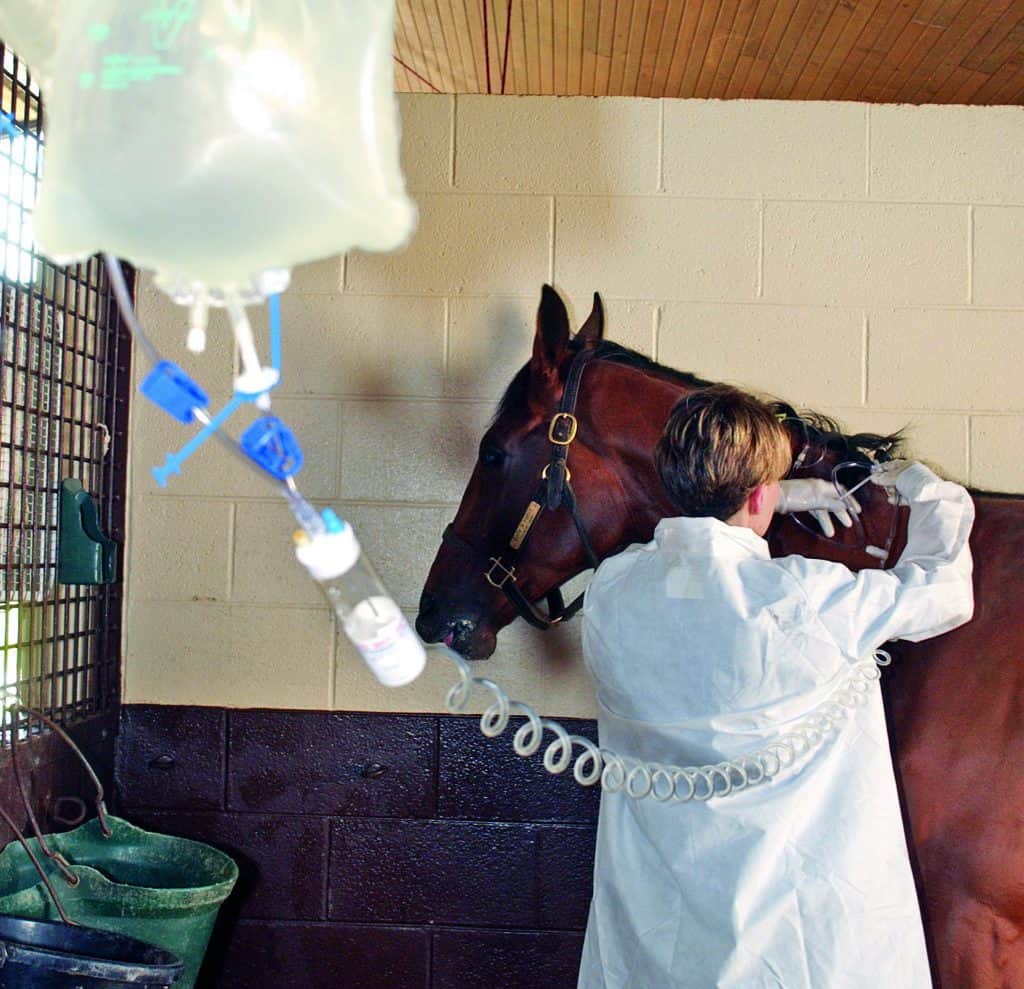
The three main types of medical treatment for colic include fluid therapy, laxative administration, and pain management.

Colic is a threat to horses, especially during cold weather. Our experts share feeding and hydration tips to protect your horse.

Here’s what current research, or lack thereof, is telling us about common equine supplement ingredients.
Dr. Scott Weese studies microbial populations in the horses’ digestive tracts, infection sources and carriers, and more.
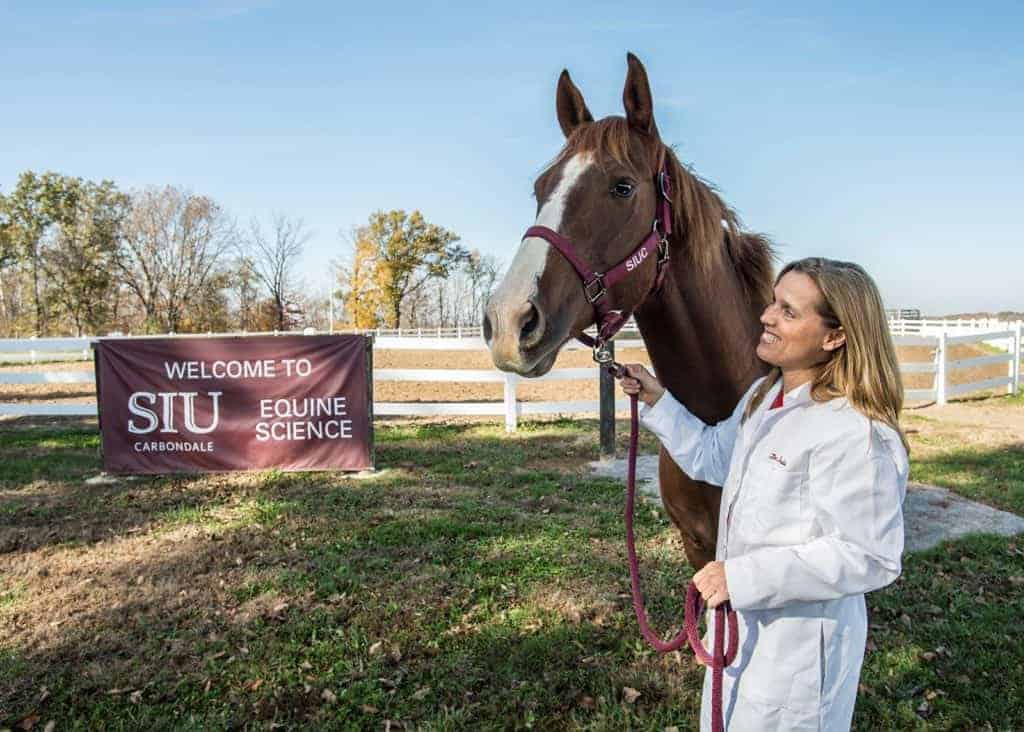
Erin Venable, MS, PhD, is using cannulated horses to learn what goes on in a horse’s cecum.
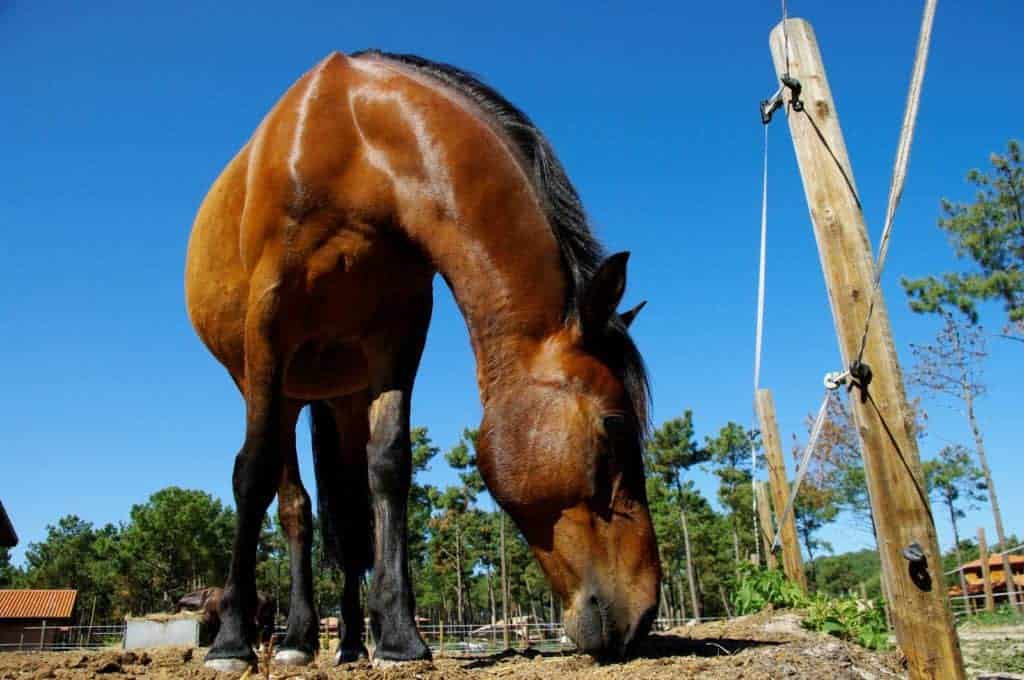
A psyllium/magnesium sulfate combination appears safe and effective for helping horses evacuate sand from their colons.

Here’s a look at three health conditions to watch for during the winter that could negatively impact equine welfare.

Researchers’ don’t necessarily recommend preventing a horse from cribbing. Rather, they suggest maximizing a horse’s turnout time and making sure forage is available at most times.

There are many issues to consider when you’re planning to transport your horse, especially if he’s moving to a hot and humid climate. Here’s what to to consider, from new feed options to a risk of hyperthermia.

There are no easy answers when it comes to colic surgery, just as there are no easy decisions.

A general physical examination is performed as part of the clinical evaluation of the horse exhibiting colic.

Owners can help their vets diagnose colic by offering the afflicted horse’s complete health history.
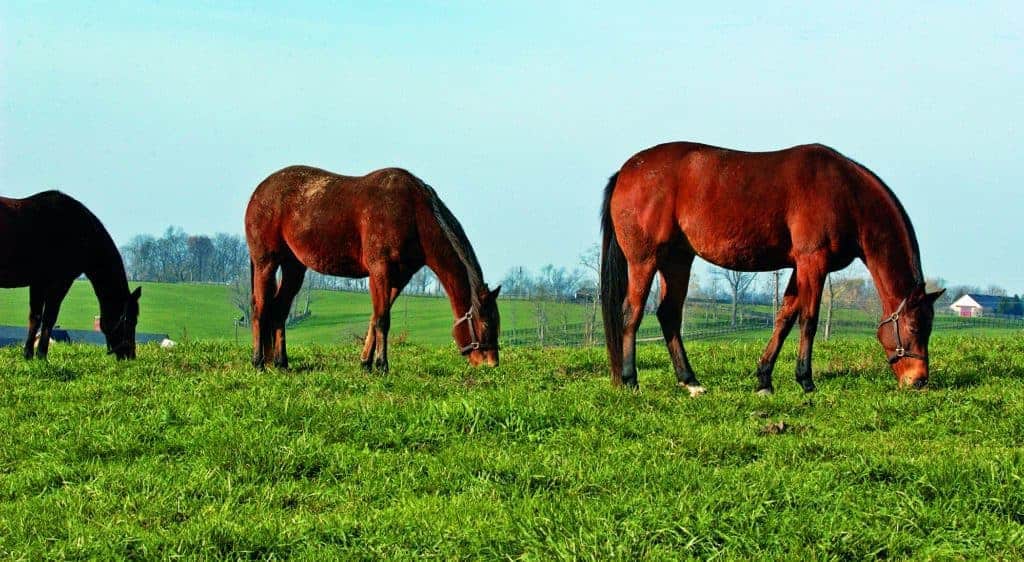
Certain management factors might affect the likelihood of colic episodes.