Management Practices: Reducing the Risk of Colic
Certain management practices can help owners reduce the risk of their horses developing colic.

Certain management practices can help owners reduce the risk of their horses developing colic.
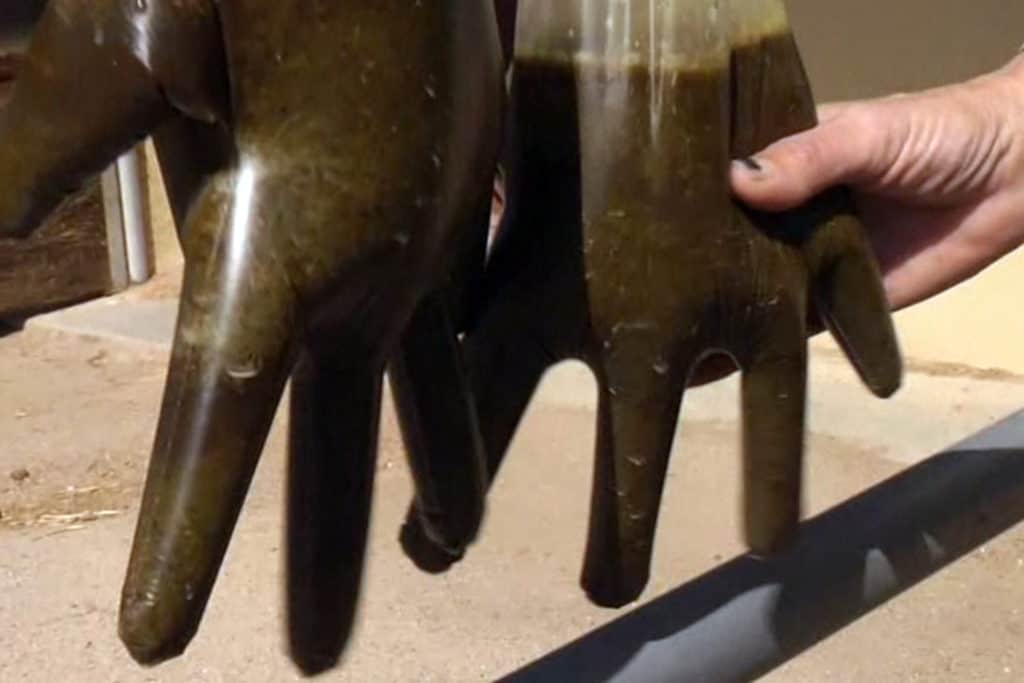
Too much sand in your horse’s intestines can cause diarrhea, blockages and colic. Dr. Sharon Spier shows you a how to measure the amount of sand your horse is excreting. (2:18)
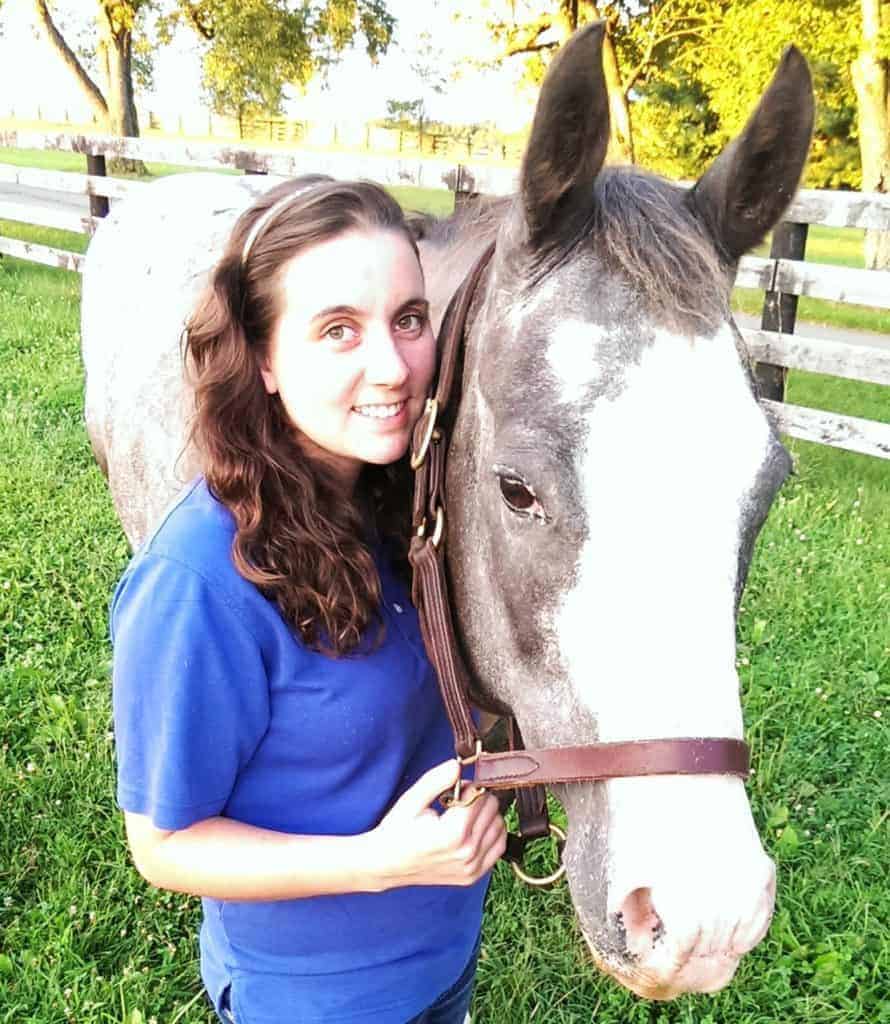
Harlow’s research has focused on exploring options for reducing gastrointestinal conditions in the horse.

Most voters–421, or 73%–indicated they’ve never taken a horse to colic surgery.
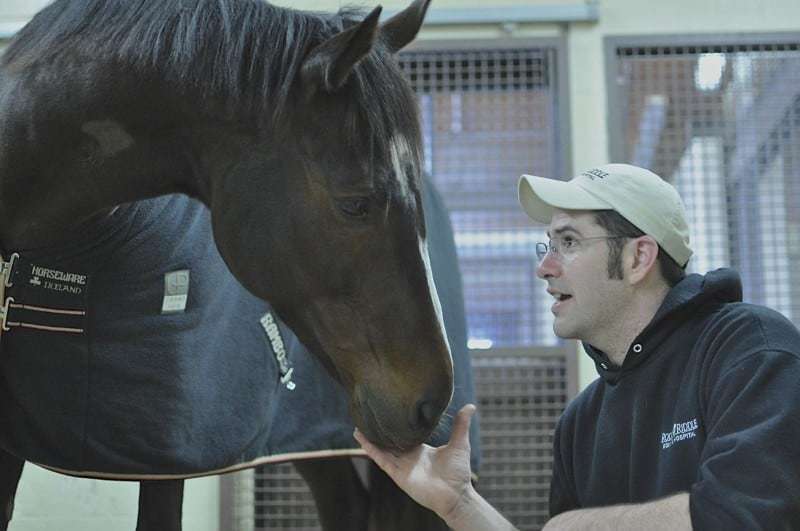
Meet a person instrumental in helping Rachel Alexandra recover from life-threatening foaling complications.
The online tool assesses and calculates colic risk while providing useful feedback on management practices.

Gain insight about postoperative ileus: a potentially life-threatening complication of colic surgery.
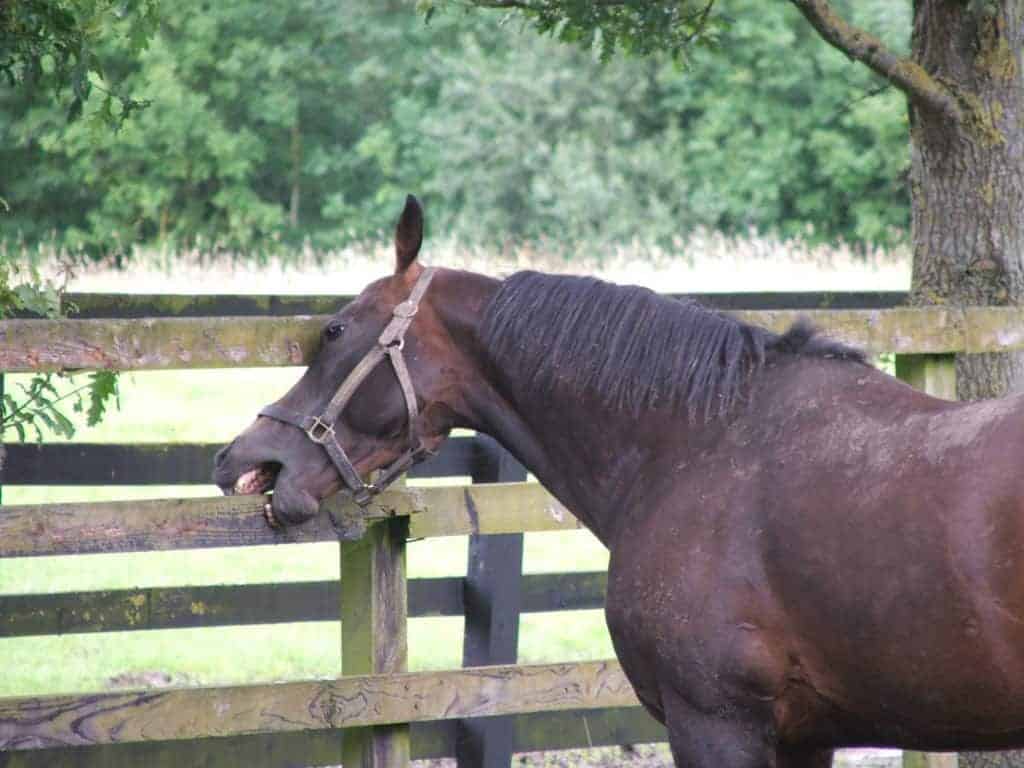
Researchers discovered that cribbing causes increased intra-abdominal pressure.
Equine Colic Awareness Month is designed to raise awareness on the issues of colic and colic prevention.
Until recently cecal cupula impactions had only been reported in conjunction with other cecal problems.
Are there any products available to give on a daily basis to horses that develop gas easily?
Equine Guelph has opened registration for a second offering of their eWorkshop on colic prevention.

Our experts answer your questions about ulcers, GI tract problems, and general “tummy troubles” in horses.

Your horse’s fecal production and appearance can be an indicator of good or poor health.

Rachel Alexandra remains in serious condition Feb. 14 after undergoing surgery yesterday.