Equine Guelph Offers Online Colic Course
Equine Guelph is combating colic with a new online eWorkshop March 11-24.

Equine Guelph is combating colic with a new online eWorkshop March 11-24.

Ultrasound can be a valuable aid to practitioners when assessing the cause and severity of colic.

A research team is examining how infectious disease and inflammation impact cells in the horse’s gut.

Miniature Horses are more susceptible to some health problems than their larger counterparts.

The staff at TheHorse.com tallied the most popular articles of 2012. Did your favorites make the list?

Paying attention to equine management can go a long way to decrease colic incidence.

Dr. Lisa Fortier recaps studies on upper respiratory tract health, colic, lameness, and racehorse health.
The survey will collect information on how cases of colic present and are assessed in veterinary practice.

Making diet changes slowly, ensuring water intake, and keeping horses moving can help reduce colic risk.

Horses are hardy animals when it comes to weathering the cold months. But this doesn’t mean you can slack on their care just because you’re staying indoors more. In fact, there are some health issues horses are more prone to during winter.

Coronavirus–common in foals–could be associated with enteric disease outbreaks in adult horses.
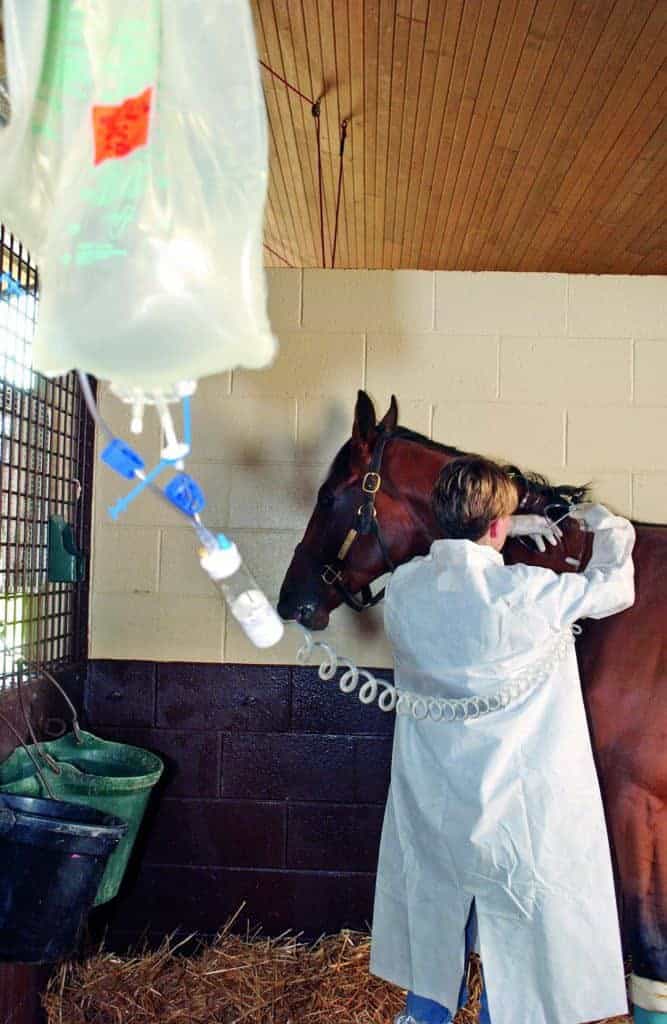
Predictors of Salmonella shedding in horses identified to allow earlier biosecurity intervention.

Common complications included surgical incision herniation, pre-existing lameness, and laminitis.

Patients with ocular disease had a higher incidence of colic than some other hospitalized equids.
Equine Guelph is seeking horse owner participation in a survey about colic management practices.
The stallion worked July 5 before developing colic and endotoxemia that night. He remains in intensive care.