Commentary: St Nicholas Abbey’s ?Brave Battle
Learn about St Nicholas Abbey’s battle with a fracture that was ultimately ended by a severe bout of colic.

Learn about St Nicholas Abbey’s battle with a fracture that was ultimately ended by a severe bout of colic.
The 12-year-old Westphalian gelding was euthanized Jan. 18 in Florida following two colic surgeries.

Vets can image the cecal mesentery to garner information that could lead to a lymphadenopathy diagnosis.
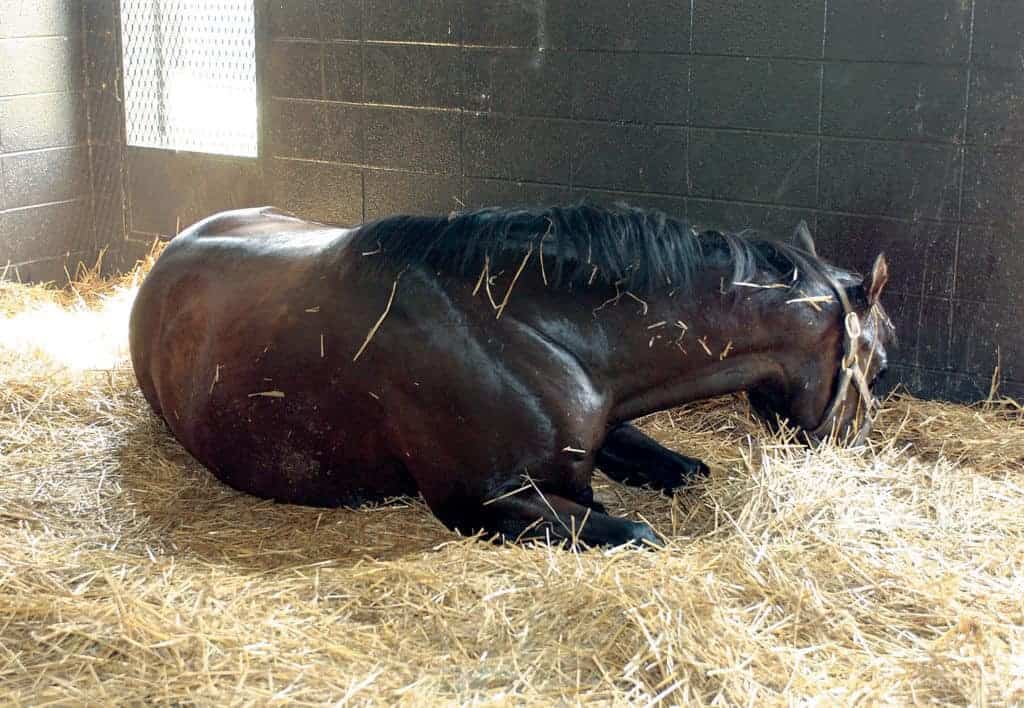
One study showed that equine colic has an estimated prevalence of 4.2 events per 100 horses per year.
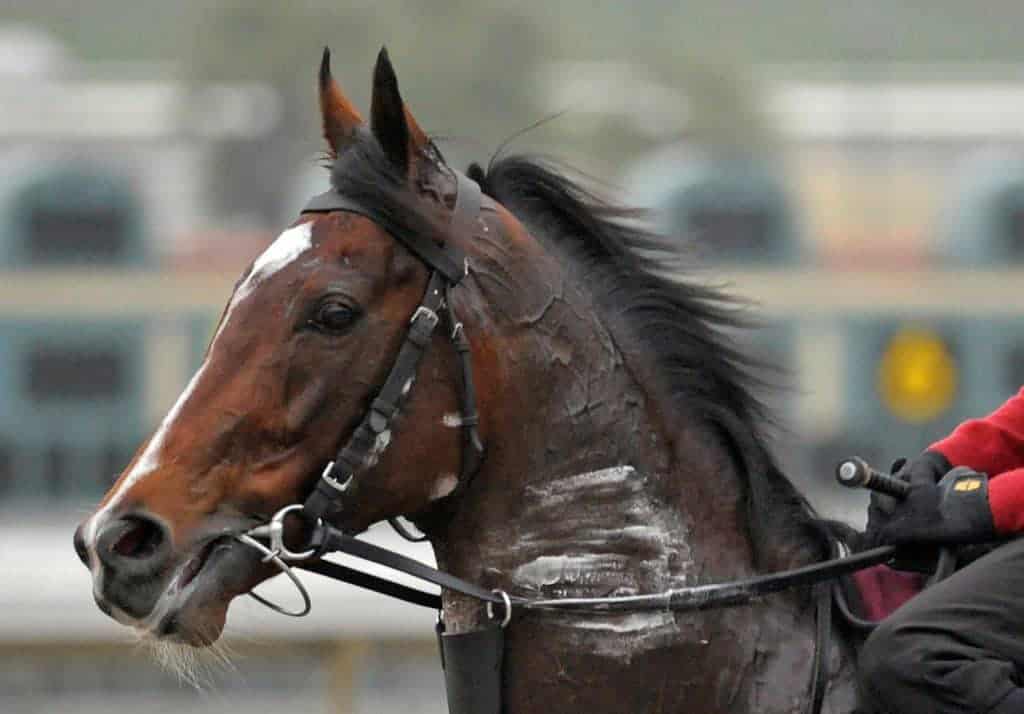
Champion Irish racehorse St Nicholas Abbey died the morning of Jan. 14 due to complications from colic.

Dr. Lisa Fortier shares her picks for the top equine surgery- and lameness-related studies of 2013.
Famed reining horse and sire Great Resolve, known as Einstein, died Jan. 2 due to colic surgery complications.
Laughing is a finalist for the 2013 Eclipse Award as the nation’s outstanding female turf performer.
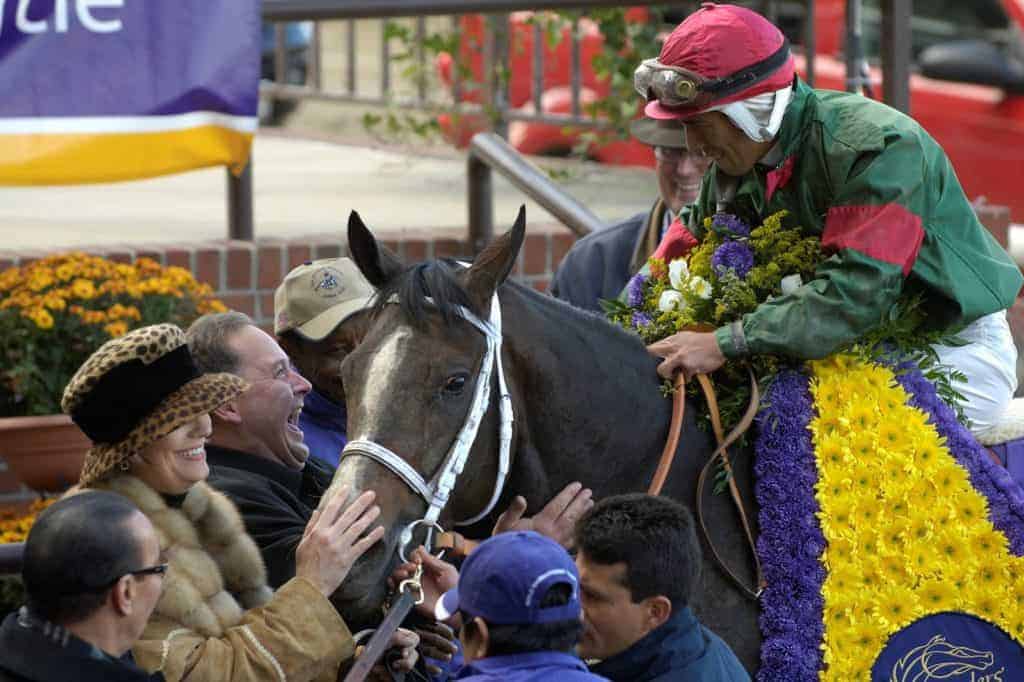
Silver Train died from a colic attack Dec. 29 while shuttling to the United States from Brazil.
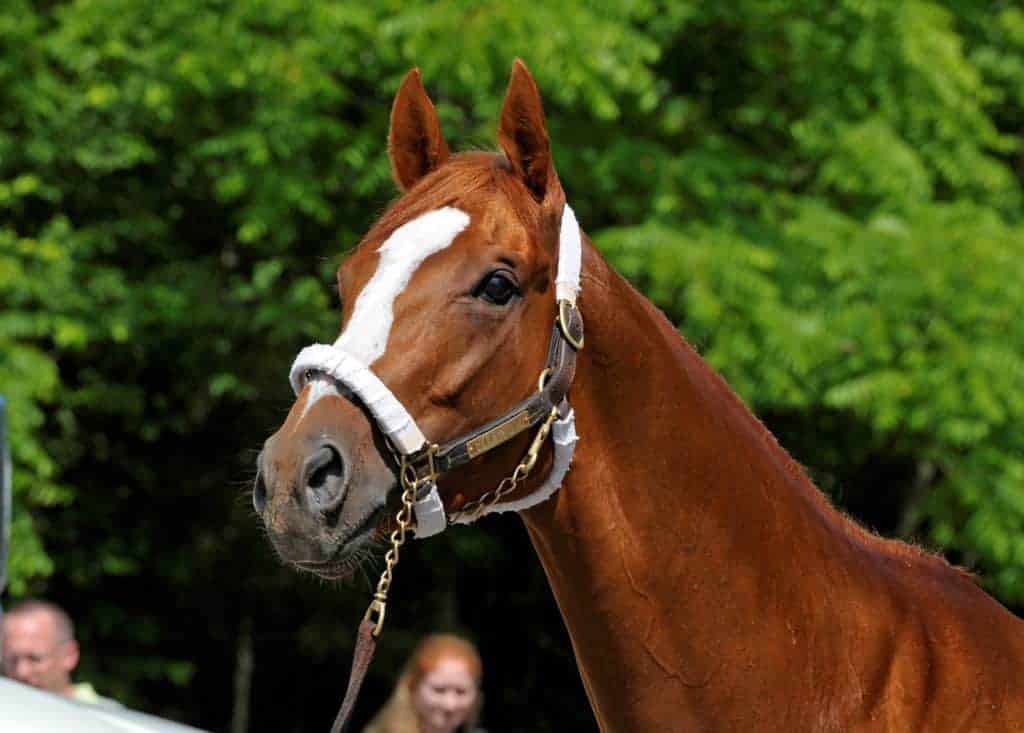
The 7-year-old son of Birdstone developed colic Dec. 22 and efforts to save him were unsuccessful.
As the Guelph?s “Year of Colic Prevent” wraps, it announces 2014 as the year of “Full Circle Responsibility.”

A look at how and where impaction colic happens and what measures might reduce a horse’s risk.
Kathleen MacMillan, DVM, MSc, will present information regarding colic diagnostics, treatments, and more.
Researchers are exploring animal microbiome to benefit both animals–including horses–and humans.
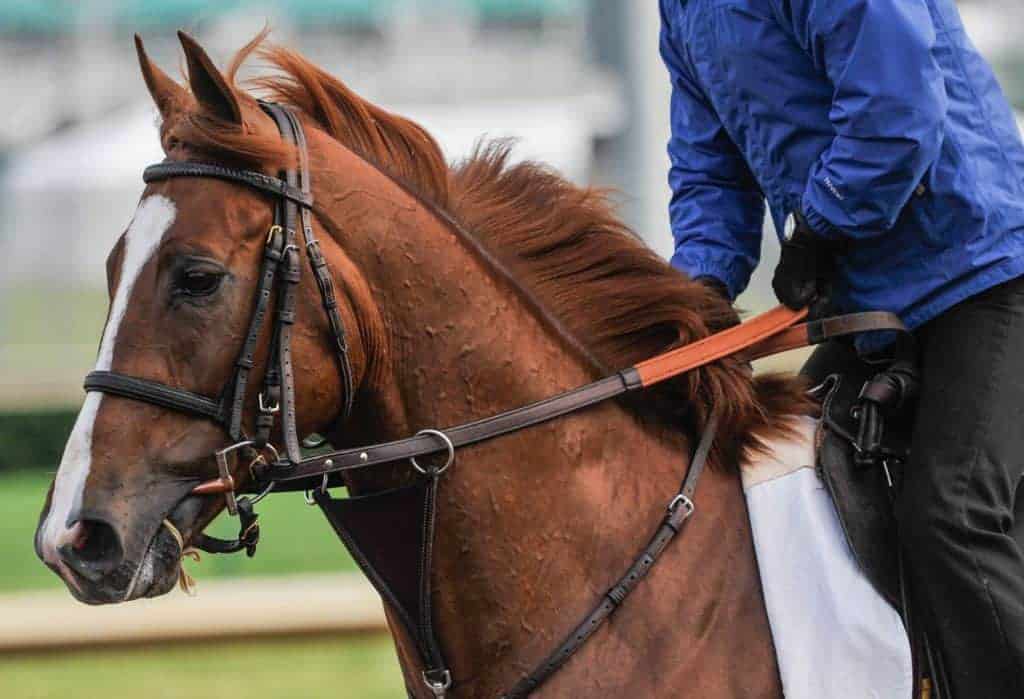
Dullahan was euthanized yesterday morning (Oct. 20) after undergoing emergency colic surgery.

Here’s what to consider if your athletic horse isn’t maintaining ideal body weight and condition.