TheHorse.com’s Top Articles of 2017
Articles on laminitis, colic, hoof abscesses, licking and chewing, and wound care are among the most-read in 2017.

Articles on laminitis, colic, hoof abscesses, licking and chewing, and wound care are among the most-read in 2017.
Lecture topics will include parasitology, gastric ulcers, fescue management, respiratory conditions, and more.
With the donation Equine Guelph researchers will study gut health and colic prevention.
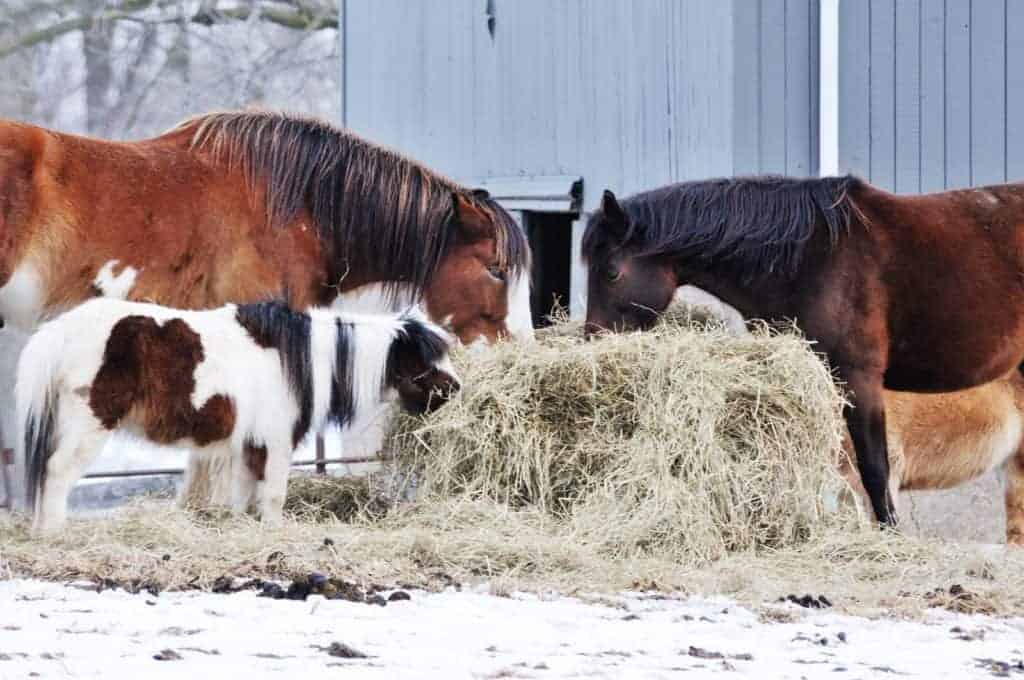
Researchers have determined that that some gastrointestinal lesions are more common in certain types of horses.
Dr. Anje Bauck received the 2017 AAEP Foundation Past Presidents’ Research Fellow for her equine colic surgery research.

Learn about the innerworkings of horses’ digestive tracts and how the bacteria that reside there impact health.

This rare, but potentially catastrophic, complication occurs in less than 1% of colic surgery patients.

It’s been said that as long as there are horses, they will colic. This remains true, but survival rates are improving.
A digestive health course will be free for the first 50 registrants from each of Ontario’s three racing sectors.

Necrotizing enterocolitis is a serious disease in foals less than 4-6 days of age that’s associated with a high death rate, despite therapeutic interventions.

Mares discharged from the clinic following surgery have an excellent prognosis for survival and producing foals.

Skin diseases and lameness were the most commonly reported ailments, affecting 31.1% and 23.4% of horses, respectively.

Haptoglobin in peritoneal fluid and SAA in serum and peritoneal fluid and were associated with nonsurvival.

Of 22 horses that underwent a second surgery, 19 survived and were discharged from the hospital, researchers found.

The steps owners should take if they suspect a horse has colic depend on the severity of the signs. Here’s what to know.
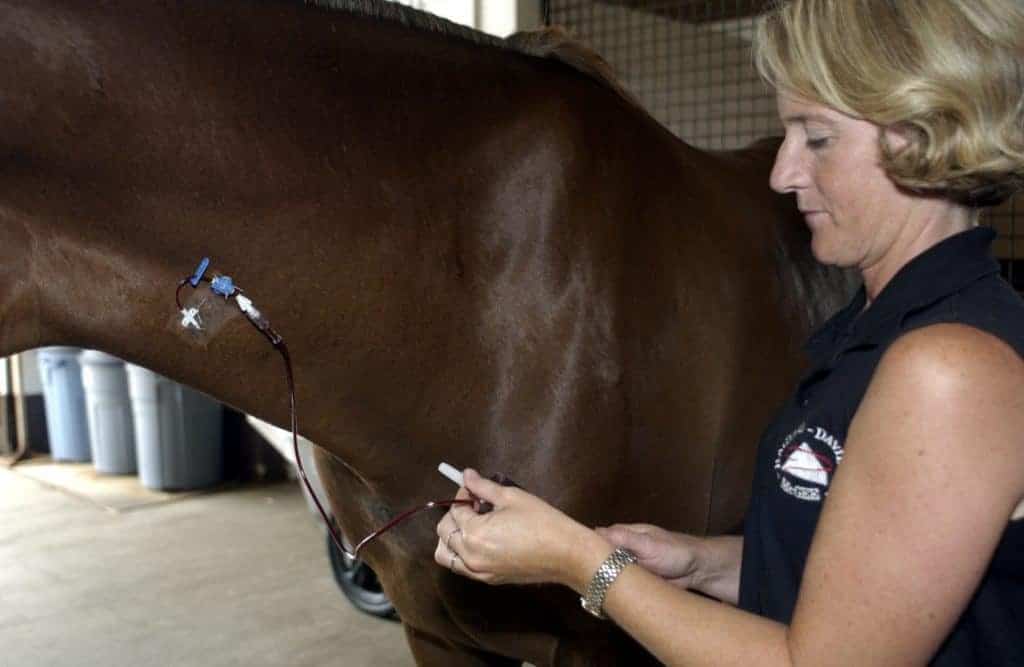
If levels continue to increase for more than three to four days post-surgery, complications could be brewing.