Infographic: Vaccinating Your Horse
Learn how vaccines can protect horses, why they’re important, and which ones your horse needs in our visual guide.

Learn how vaccines can protect horses, why they’re important, and which ones your horse needs in our visual guide.

Researchers’ don’t necessarily recommend preventing a horse from cribbing. Rather, they suggest maximizing a horse’s turnout time and making sure forage is available at most times.

For years, veterinarians have recognized equine coronavirus (ECoV) as a cause of intestinal disease in foals. Recently, however, gastrointestinal illness associated with ECoV has been seen in adult horses.

Does your horse drool like a dog? Here are some reasons why, from the benign to the life threatening.

Horses are at risk for contracting a number of diseases that can have mild to devastating consequences.

Learn about 20 important equine infectious diseases that could make your horse sick, how they are spread, and ways to prevent them in our easy-to-follow visual guide.
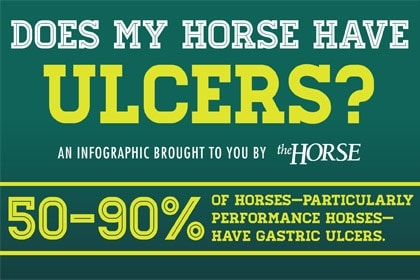
Up to 90% of horses suffer gastric ulcers. Is your horse one? Discover common clinical signs, treatments, and management strategies for horses with gastric ulcers in our step-by-step guide.

Protect your foal from three important causes of young horse illness: Rhodococcus equi, equine proliferative enteropathy, and adrenal insufficiency.

There are many issues to consider when you’re planning to transport your horse, especially if he’s moving to a hot and humid climate. Here’s what to to consider, from new feed options to a risk of hyperthermia.

There are no easy answers when it comes to colic surgery, just as there are no easy decisions.
According to a March University of Kentucky Veterinary Diagnostic Laboratory (UKVDL) bulletin, the lab is seeing a statistically significant increase in positive Lawsonia intracellularis test results as compared to recent years.

Page’s work at UK has mainly focused on Lawsonia intracellularis, a bacterium causing a disease primarily of young horses, weanlings, and yearlings.

A general physical examination is performed as part of the clinical evaluation of the horse exhibiting colic.

Owners can help their vets diagnose colic by offering the afflicted horse’s complete health history.

Learn about gastric ulcers and how to treat them and decrease their likelihood of causing your horse distress.
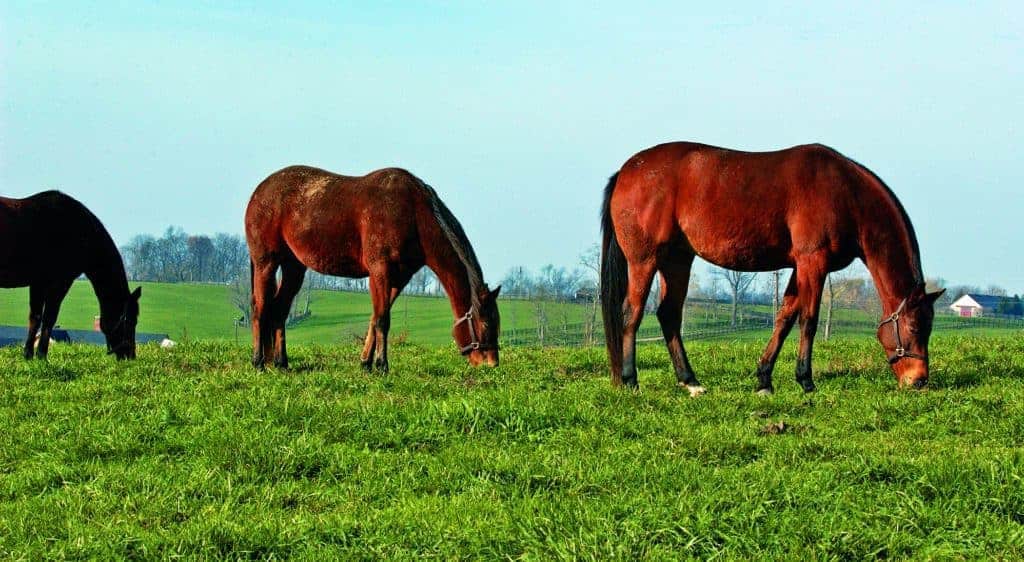
Certain management factors might affect the likelihood of colic episodes.