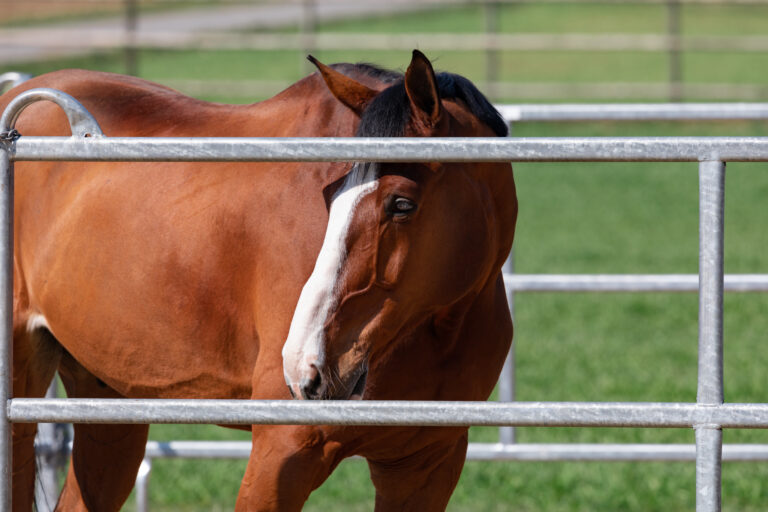
Multiple Celiotomies in Short Span Yield a Guarded Prognosis
Horses undergoing multiple colic surgeries in a 14-day period are at greater risk for incisional infections.

Horses undergoing multiple colic surgeries in a 14-day period are at greater risk for incisional infections.

Learn how veterinarians can use these methods in concert to diagnose colic in horses.
Equine Guelph and Intercity are providing online workshops and tools to help owners reduce colic risk.
Study topics include laminitis, foal pneumonia, stem cells, endometritis, joint issues, insulin resistance, and more.

Researchers found that one supplement was not inferior to omeprazole in several areas in their study.
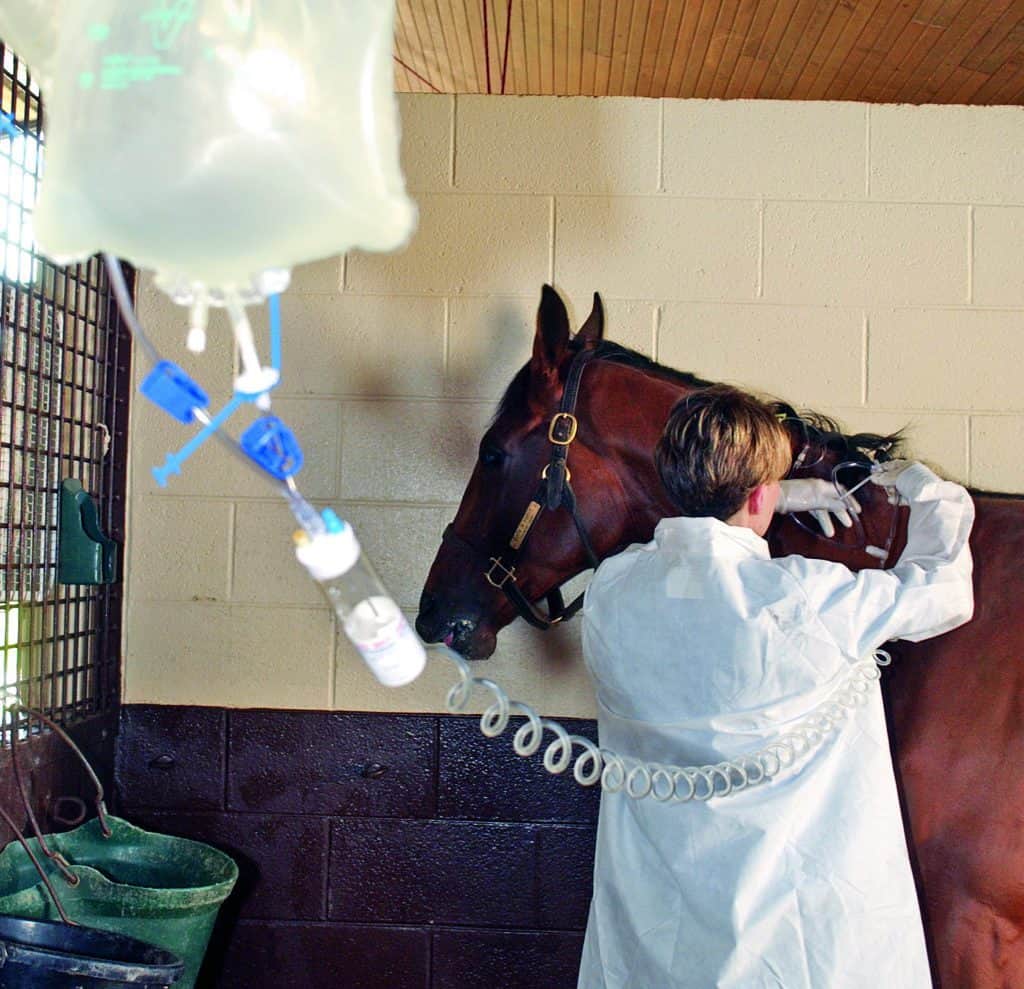
The three main types of medical treatment for colic include fluid therapy, laxative administration, and pain management.

Colic is a threat to horses, especially during cold weather. Our experts share feeding and hydration tips to protect your horse.

Here’s what current research, or lack thereof, is telling us about common equine supplement ingredients.
Dr. Scott Weese studies microbial populations in the horses’ digestive tracts, infection sources and carriers, and more.
Cox Veterinary Laboratory has recalled and ceased production of Gastroade Xtra because it is not FDA-approved.
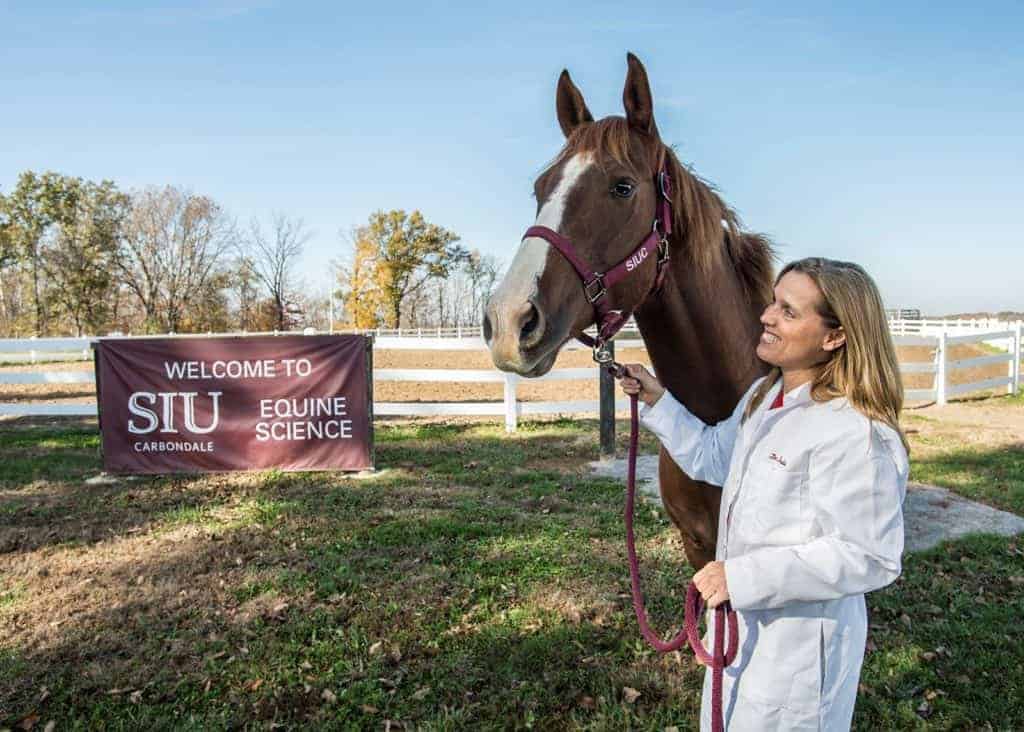
Erin Venable, MS, PhD, is using cannulated horses to learn what goes on in a horse’s cecum.
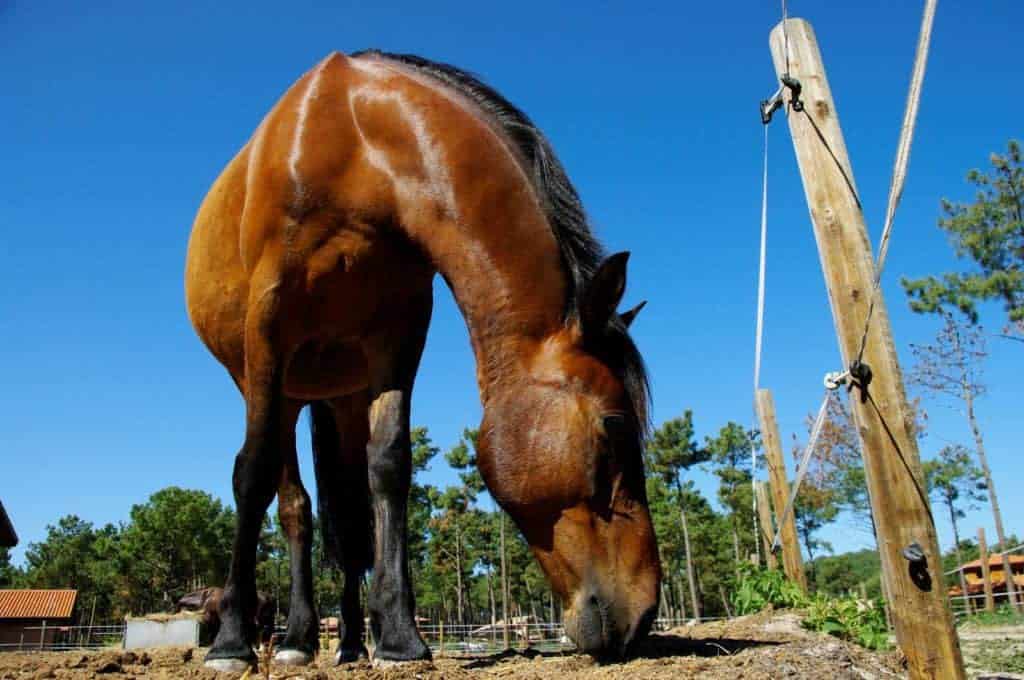
A psyllium/magnesium sulfate combination appears safe and effective for helping horses evacuate sand from their colons.
Diagnosed diseases include strangles, influenza, vesicular stomatitis, hendra virus, salmonellosis, and more.

Studies have shown that a high percentage of performance and racehorses have gastric ulcers.
Tristar Equine Marketing has recalled Gastrotec after receiving a warning letter from the FDA regarding its marketing.

Here’s a look at three health conditions to watch for during the winter that could negatively impact equine welfare.