Study Reviews Cecal Cupula Impaction Colic (AAEP 2012)
Until recently cecal cupula impactions had only been reported in conjunction with other cecal problems.

Until recently cecal cupula impactions had only been reported in conjunction with other cecal problems.
Are there any products available to give on a daily basis to horses that develop gas easily?
Reported diseases include contagious equine metritis, strangles, influenza, equine herpesvirus, and more.
Equine Guelph has opened registration for a second offering of their eWorkshop on colic prevention.
The Grayson-Jockey Club Research Foundation approved funding of 12 new projects in 2013.

Our experts answer your questions about ulcers, GI tract problems, and general “tummy troubles” in horses.
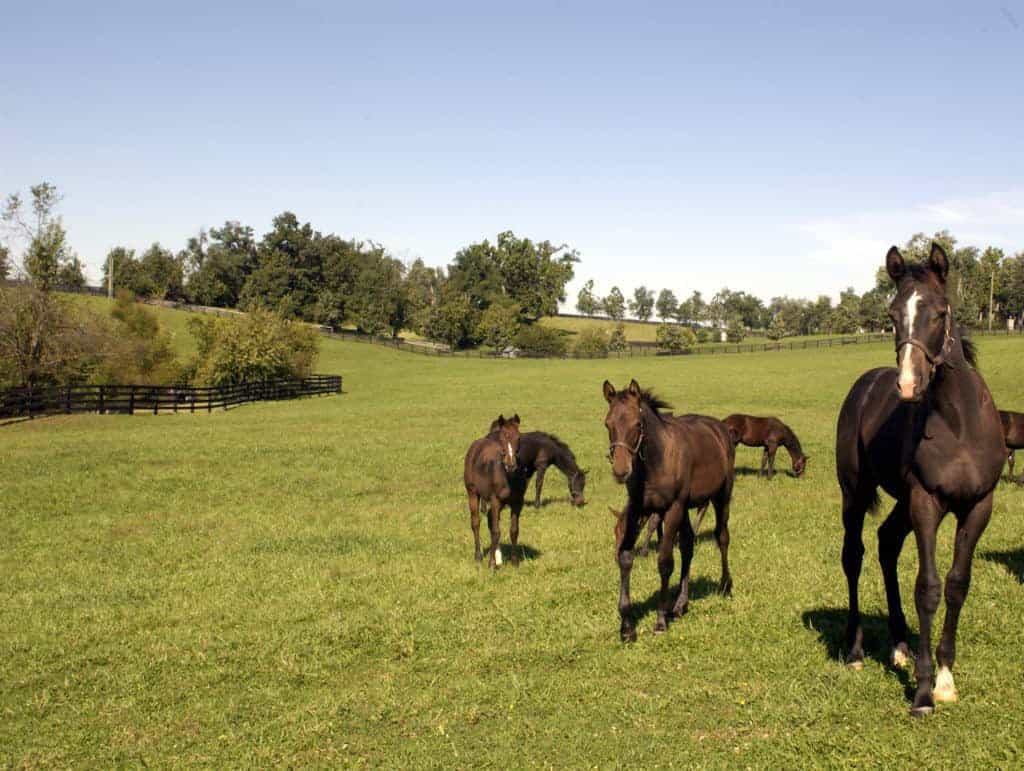
Researchers tested the usefullness of four blood serum tests in detecting L. intracellularis.

Your horse’s fecal production and appearance can be an indicator of good or poor health.
Yearly variability in exposure to a severe disease-causing bacterium of young horses appears to be different than previously thought.

Rachel Alexandra remains in serious condition Feb. 14 after undergoing surgery yesterday.
Equine Guelph is combating colic with a new online eWorkshop March 11-24.

Ultrasound can be a valuable aid to practitioners when assessing the cause and severity of colic.

A research team is examining how infectious disease and inflammation impact cells in the horse’s gut.

Some nutritionists have speculated that certain dietary supplements might assist with equine ulcer management.
Dr. Roberta Dwyer shares thoughts on the evolution of the publication produced by UK and Lloyd’s of London.