Poll Recap: Experience with Equine Proliferative Enteropathy
Of 400 participants, 79% said they’d never heard of the bacterium and only 5% had known a horse with it.

Of 400 participants, 79% said they’d never heard of the bacterium and only 5% had known a horse with it.
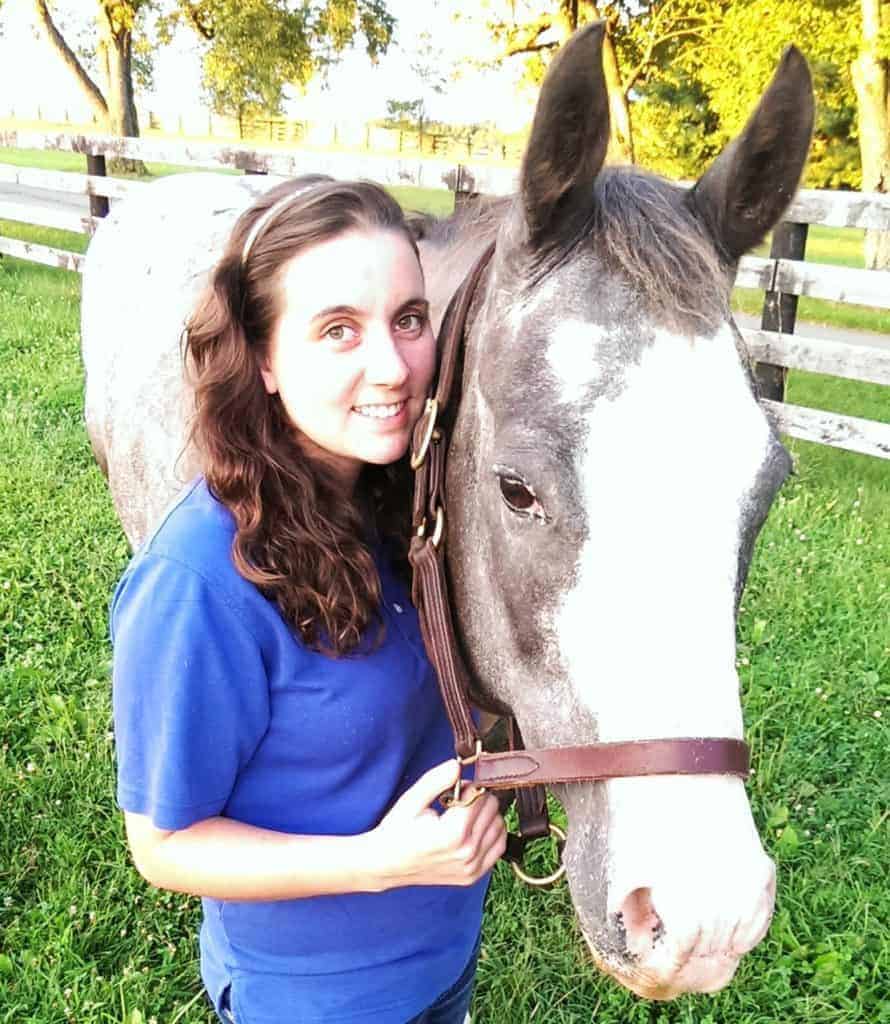
Harlow’s research has focused on exploring options for reducing gastrointestinal conditions in the horse.

Researchers are exploring the use of renal replacement therapy to help horses with acute renal failure.

Most voters–421, or 73%–indicated they’ve never taken a horse to colic surgery.
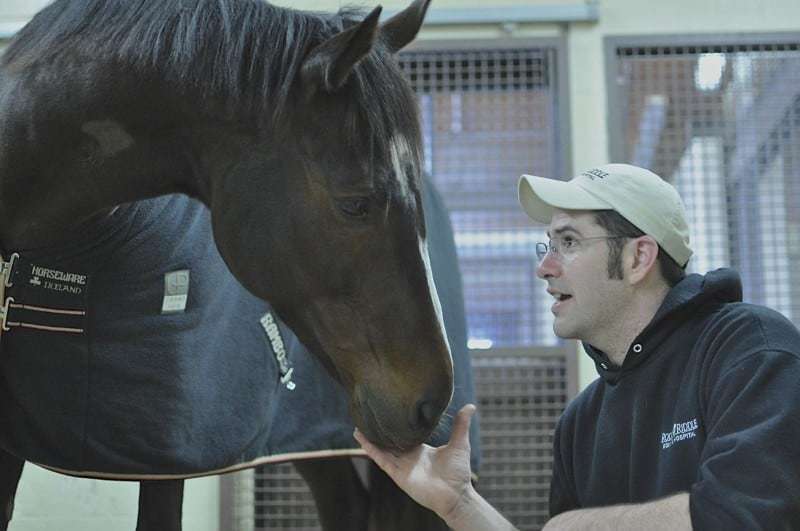
Meet a person instrumental in helping Rachel Alexandra recover from life-threatening foaling complications.
Is it possible for young horses that aren’t in training to get stomach ulcers?
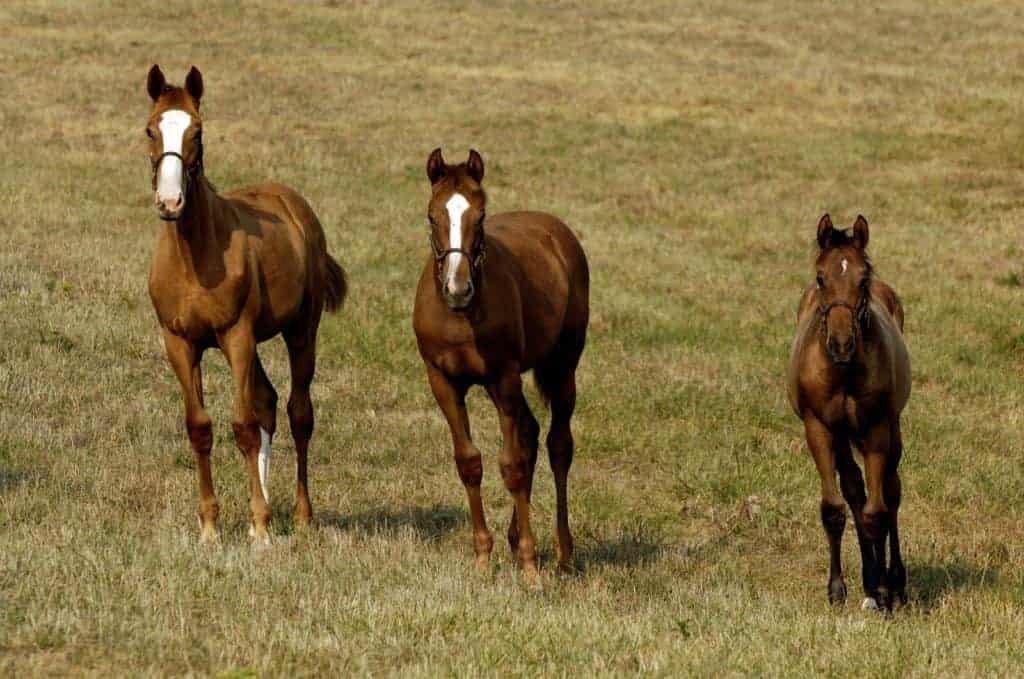
Learn about Lawsonia intracellularis and factors that could lead to EPE infection development.
The online tool assesses and calculates colic risk while providing useful feedback on management practices.

Gain insight about postoperative ileus: a potentially life-threatening complication of colic surgery.
Confirmed diseases include contagious equine metritis, strangles, EHV, influenza, and more.

An LSU study found that, after omeprazole treatment, SmartGut Ultra reduced the return of ulcers in horses.

Paynter, who overcame a serious illness, will return to the races later today in California.

The ACVIM named Q one of their animal survivors after he successfully overcame proliferative enteropathy.
Meet Q, a Rocky Mountain Saddle Horse that survived proliferative enteropathy caused by Lawsonia intracellularis.
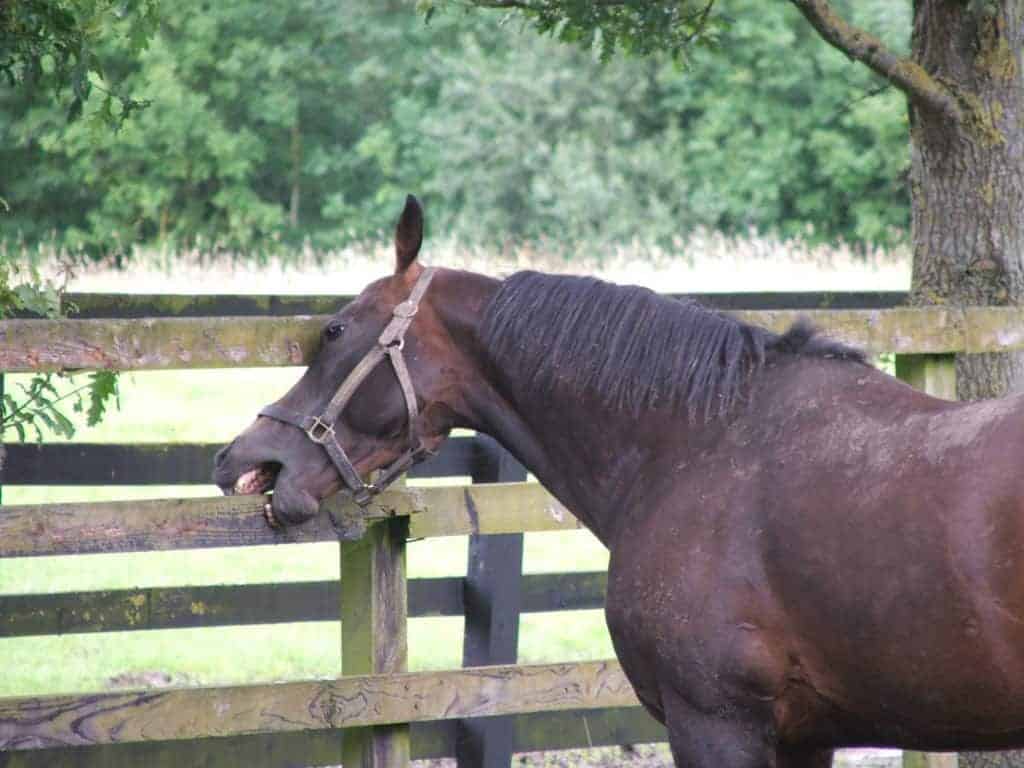
Researchers discovered that cribbing causes increased intra-abdominal pressure.
Equine Colic Awareness Month is designed to raise awareness on the issues of colic and colic prevention.