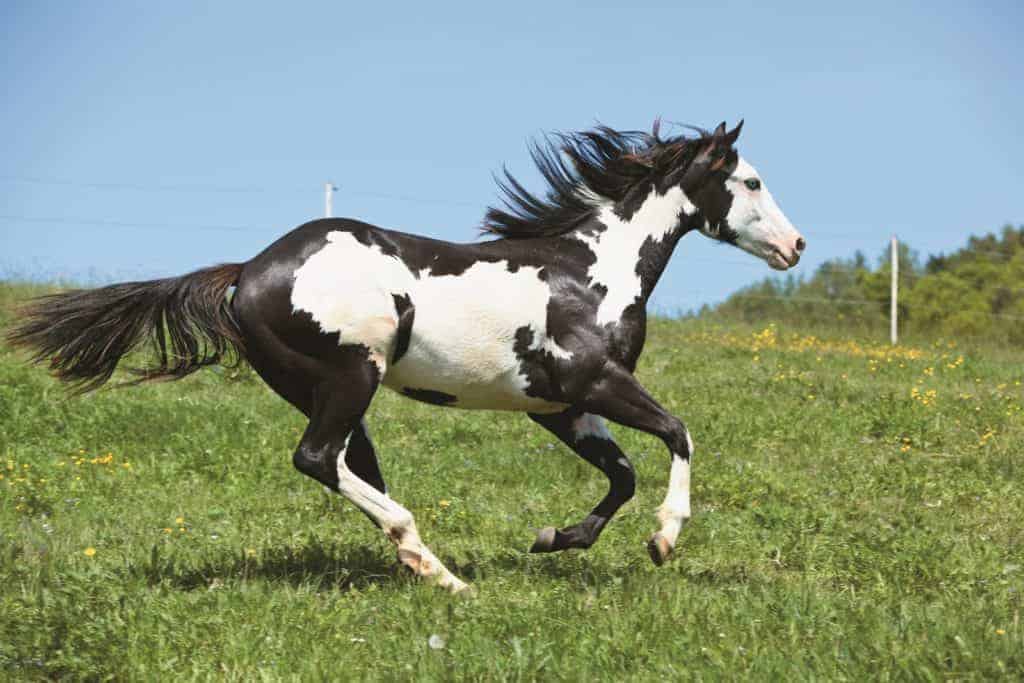
Genetic Disorders: Breed by Breed
By knowing what conditions certain horses are predisposed to, owners and breeders can take preventive steps.

By knowing what conditions certain horses are predisposed to, owners and breeders can take preventive steps.

Equine metabolic syndrome doesn’t just cause equids’ girths to expand; it can also lead to other health conditions.

Equine metabolic syndrome and Cushing’s disease prevention start from birth and include regular veterinary exams and proper nutrition.

Learn the risks of equine metabolic syndrome (EMS) and get management and treatment tips in this easy-to-follow visual guide.

The future of feeding horses is here: Learn how diet can impact your horse right down to his genetic core.
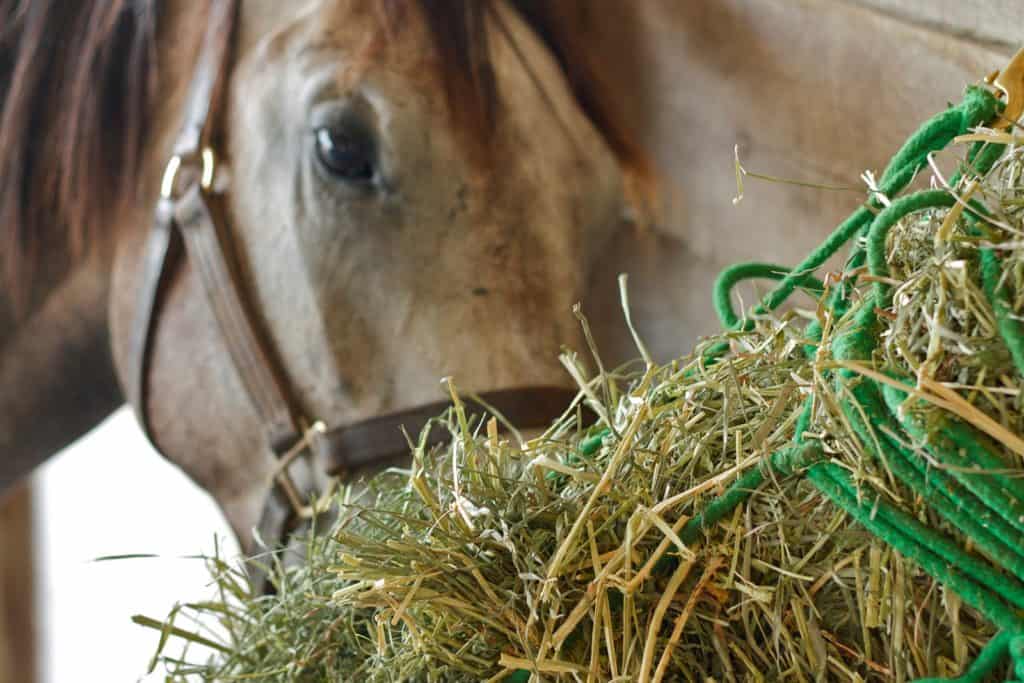
Soaking hay provides owners with the ability to alter some physical characteristics as well as the nutrient content of their hay if purchasing the ideal hay is not a feasible option.
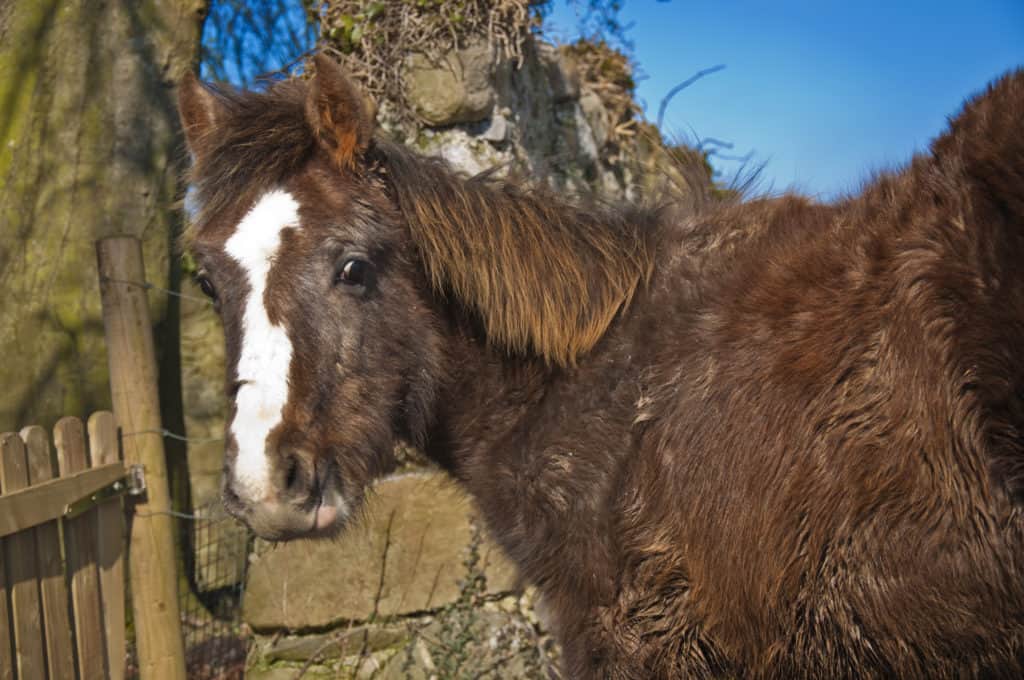
Dr. Dianne McFarlane compares pituitary pars intermedia dysfunction and equine metabolic syndrome.

Carol Clark, DVM, Dipl. ACVIM, shares her picks for the top equine medicine studies of 2013.

Vets have made great strides in EMS diagnosis and management, but there’s still much work to be done.

EOTRH is a painful, recently identified condition that primarily affects horses’ incisors and canine teeth.

One farrier developed a program for rehabilitating horses recovering from EMS-associated laminitis.
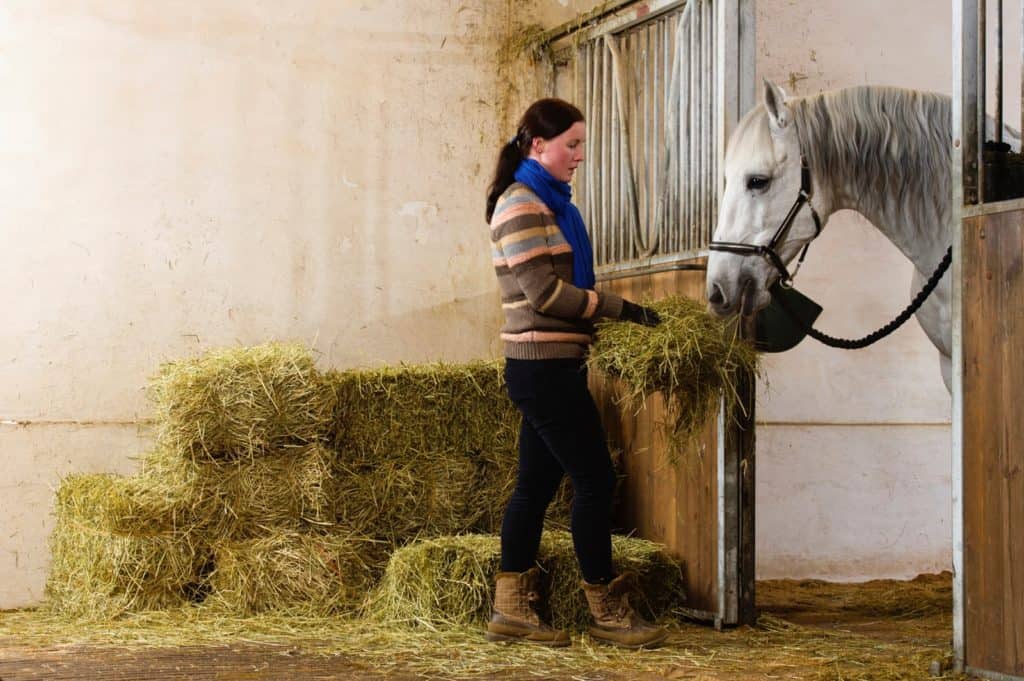
Researchers found that steaming appears to increase horses’ consumption of good-quality hay.
Diet plays a very important role in managing insulin-resistant horses. Learn how you can use nutritional planning to manage this condition.

Taking preventative measures though diet and exercise are the best defenses against EMS development.

Dr. Amanda Adams shares information about how nutrition can impact the immune responses of geriatric horses.
One researcher says it’s unlikely that every obese horse is at risk of developing EMS and laminitis.