Senior Horse Dental Health
When your older horse’s pearly whites are past their prime, keep an eye out for signs of specific problems.

When your older horse’s pearly whites are past their prime, keep an eye out for signs of specific problems.

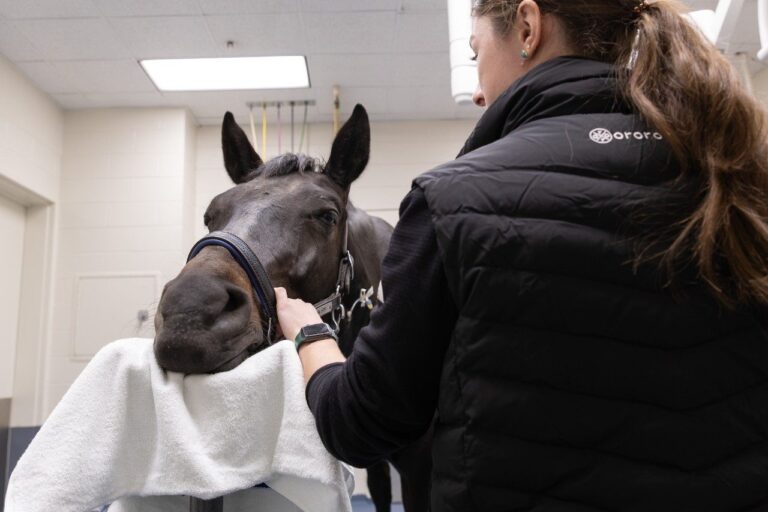
An owner’s Morgan mare might have something wrong with her teeth. A veterinarian with an interest in equine dentistry explains what to expect from the dental examination.

As your horse ages, dental problems might develop that require changes to his diet.

Brush up on your equine oral health knowledge with these facts about dental anatomy, issues, and exams.

What is the long-term prognosis for a young horse losing a tooth prematurely?

Look for equine dental health information all month long on TheHorse.com. Brought to you by Zoetis.

Driving horses, whether pulling a plow, going for a pleasure drive, or competing, face health considerations similar to and distinct from those of typical sport horses.

Can hay nets affect a horse’s weight or body condition score? Do they damage equine teeth? Researchers answer these questions and more.

Horses can consume hay pellets or cubes rapidly. How can we slow them down to increase their time spent chewing?

A nutritionist answers questions about the nutritional needs of older equids, covering topics such as senior feeds, metabolic disease, and helping horses gain weight.

After years of speculating that colic occurs more frequently in horses that crib, researchers have finally provided consistent data confirming this association.
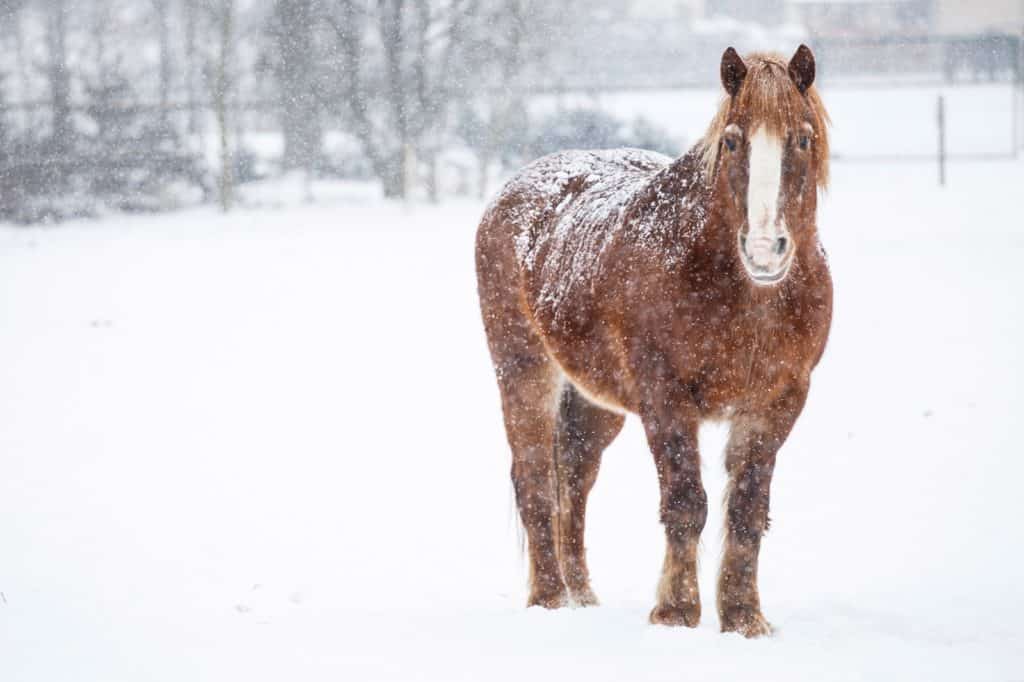
Cold weather affects older horses more than it does their younger companions. Learn how to keep your senior comfortable and healthy during cold weather.

Researchers have learned more about equine dental-derived stem cells and potential ways these agents could help treat equine dental conditions.

How veterinarians are applying computed tomography in equine medicine and what they’re learning about its use.

Learn how to design a diet for horses suffering or recovering from equine odontoclastic tooth resorption and hypercementosis (EOTRH).

Understanding how your growing foal’s digestive system works can help you recognize and avoid potential problems.